
- All
- Product Name
- Product Keyword
- Product Model
- Product Summary
- Product Description
- Multi Field Search
English
Views: 0 Author: Site Editor Publish Time: 2026-07-31 Origin: Site


TL;DR:
Acrylic solid surface sheet is a non-porous, seamless engineered material made from acrylic resin and natural mineral fillers. It resists stains, supports custom fabrication, and suits a wide range of applications—from kitchen countertops to hospital surfaces—making it one of the most versatile interior materials available today.
Walk into any well-designed kitchen, hotel lobby, or commercial bathroom, and there's a good chance the countertops or wall cladding you're admiring are made from solid surface. The material has earned its place in both residential and commercial design for good reason: it looks premium, performs reliably, and lasts for years with minimal upkeep.
Still, not all solid surface products are created equal. The composition, thickness, color options, and manufacturer quality vary significantly—and those differences affect everything from how a surface performs under daily use to how easy it is to repair. For designers, contractors, and buyers who want to make a confident, informed decision, understanding what sets acrylic solid surface sheet apart from alternatives is the natural starting point.
This guide breaks down the key properties, applications, and buying considerations for solid surface sheets, and explains why Surface Solution®, manufactured by Shenzhen Letu Industrial Co., Ltd., has become a trusted name in the category.
Solid surface materials fall into three main categories: acrylic-based, polyester-based, and blended. Of these, acrylic-based formulations are widely regarded as the superior option for professional and high-traffic applications.
Acrylic resin offers better flexibility than polyester, which means acrylic sheets are less likely to crack under impact. They also tend to produce more consistent color distribution throughout the sheet—not just on the surface—which is why scratches and minor damage can be sanded out without leaving visible marks. Polyester-based sheets, by contrast, are typically less UV-stable and more prone to yellowing over time, making them a poor fit for spaces exposed to natural light.
Here's a quick comparison of the three main solid surface types:
Property | Acrylic-Based | Polyester-Based | Blended |
|---|---|---|---|
Durability | High | Moderate | Moderate–High |
UV resistance | Excellent | Poor | Good |
Repairability | Excellent | Limited | Good |
Color consistency | Throughout sheet | Surface-only | Varies |
Typical cost | Higher | Lower | Mid-range |
Best for | Commercial & residential | Budget projects | General use |
For projects where longevity and aesthetics matter—hotel bathrooms, medical facilities, high-end kitchens—acrylic formulations are the clear choice. For lower-budget, low-traffic applications, polyester may suffice. The blended option sits in between.
One of the strongest selling points of solid surface sheet material is its versatility. The same material that works as a kitchen countertop also performs well as a bathroom vanity, a commercial reception desk, a restaurant table top, or a hospital wall panel. That flexibility makes it a go-to material for interior designers and contractors working on multi-use projects.
Common applications include:
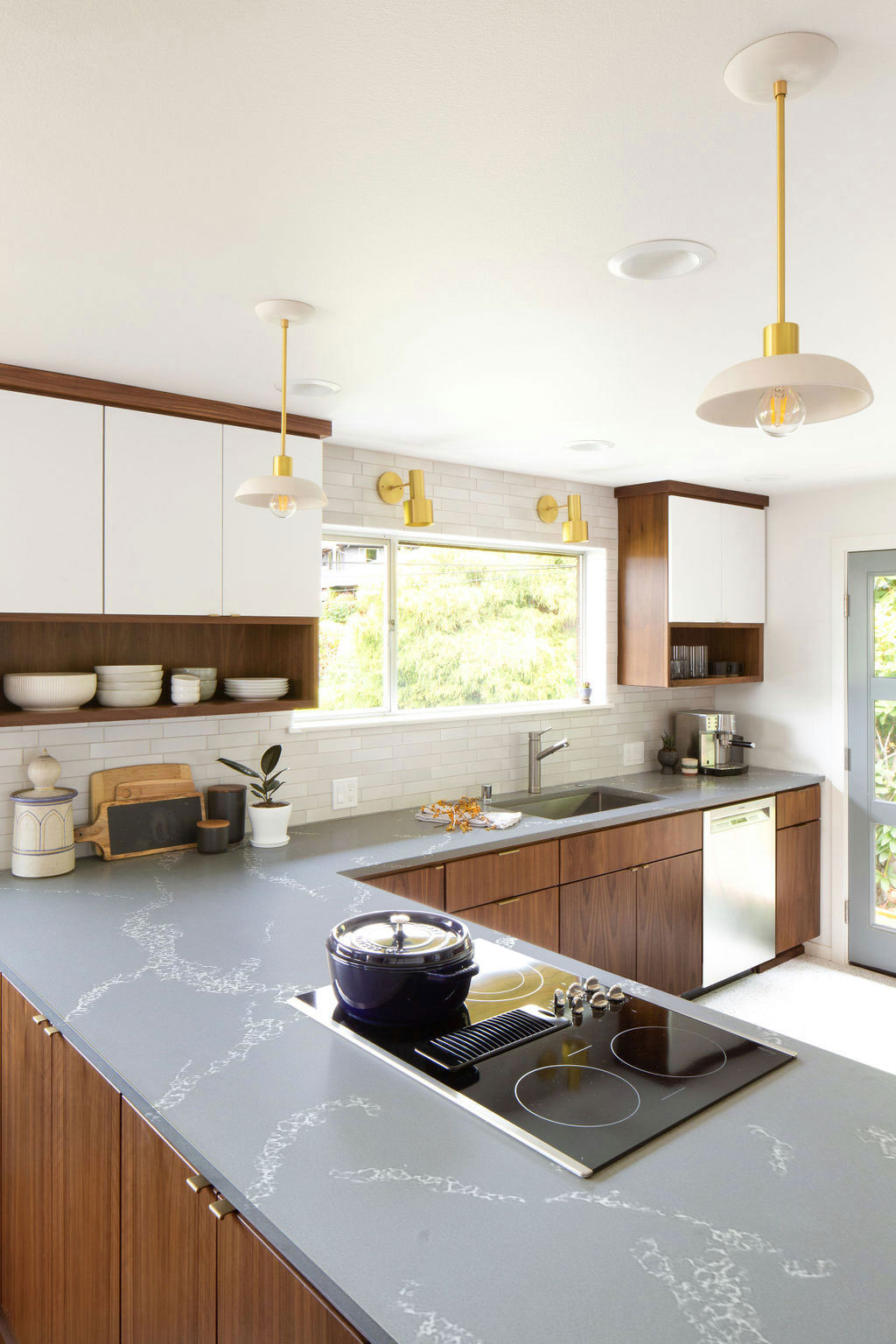
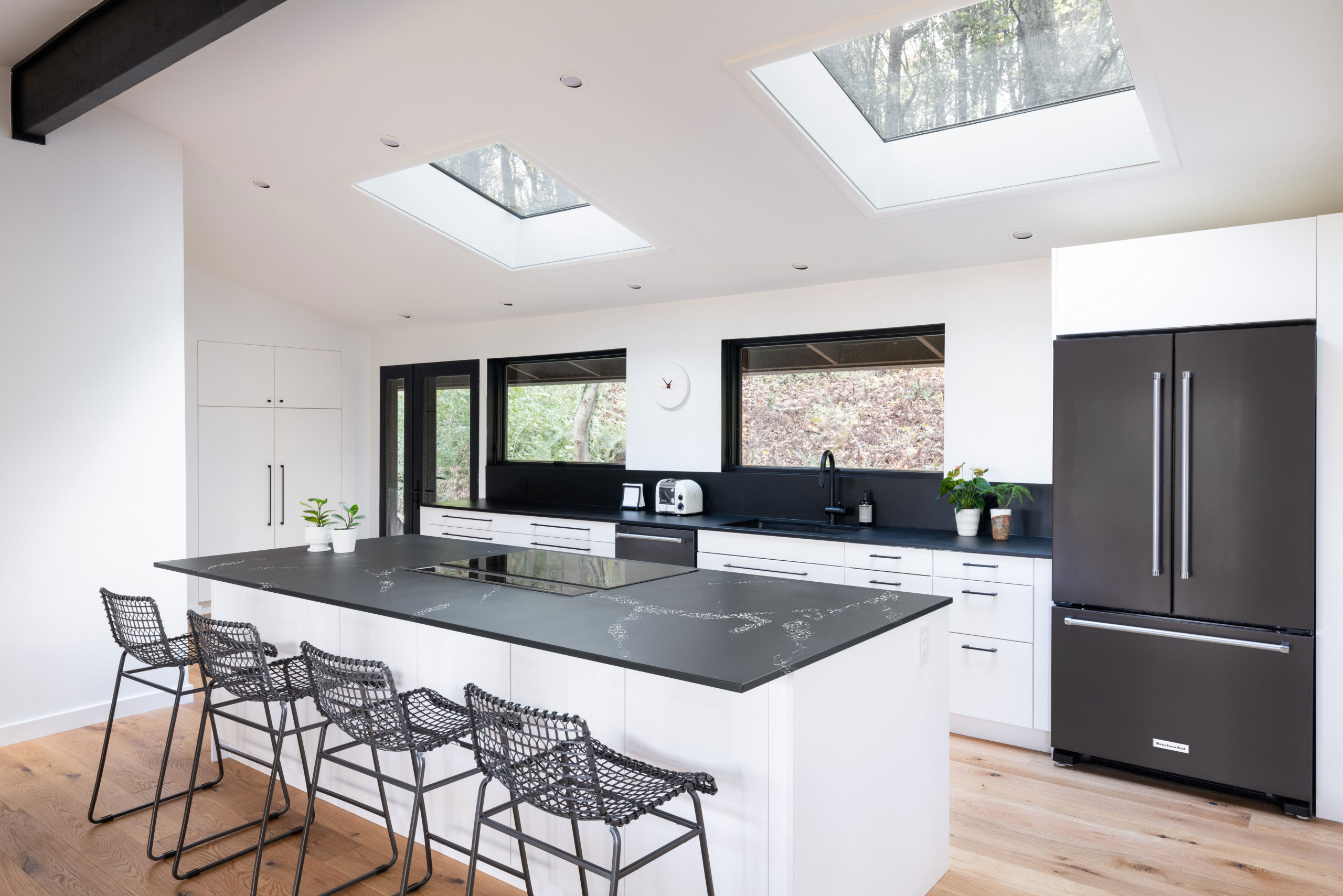
Kitchen countertops and sinks — The non-porous surface resists bacteria, stains, and moisture, making it well-suited to food preparation areas.
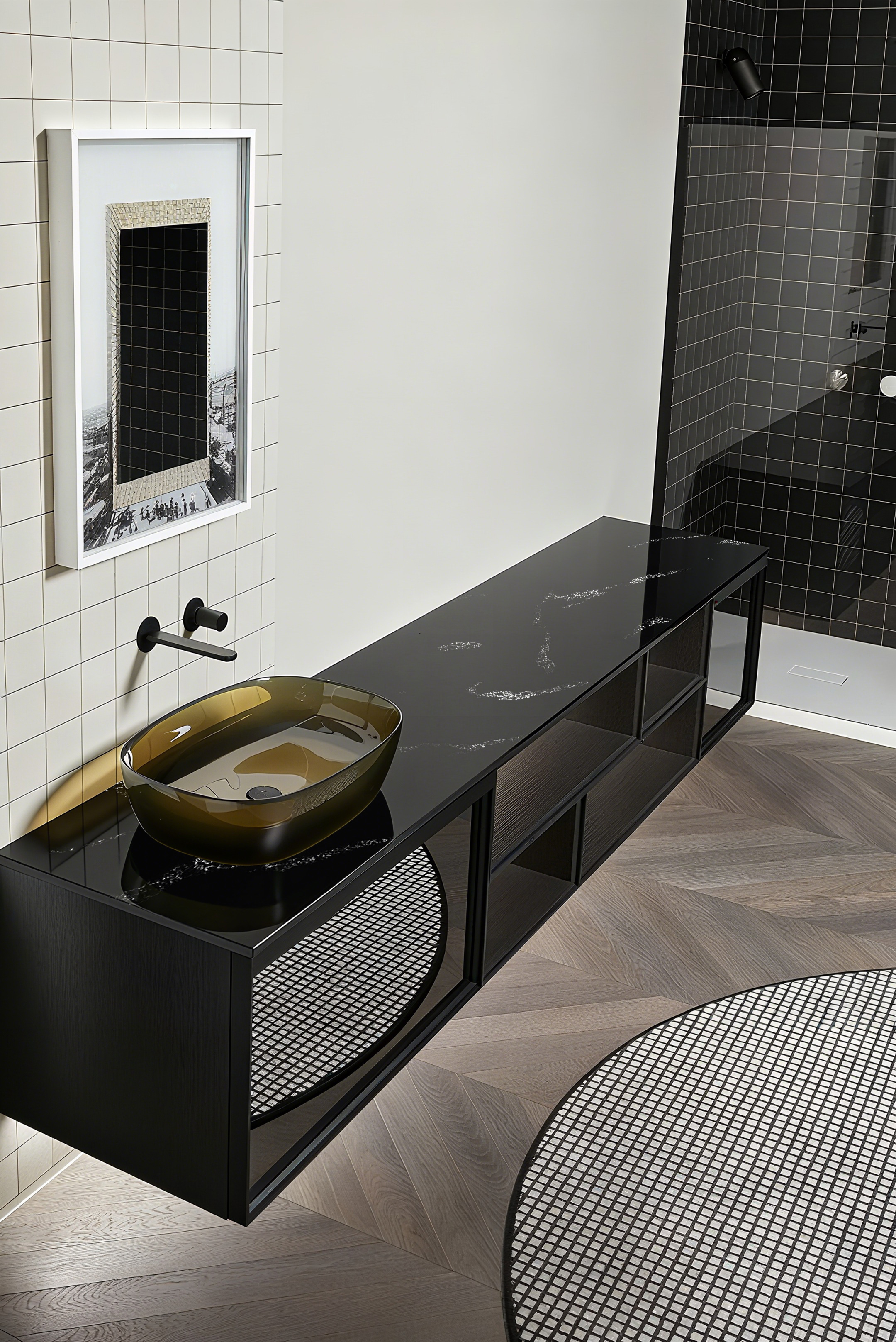
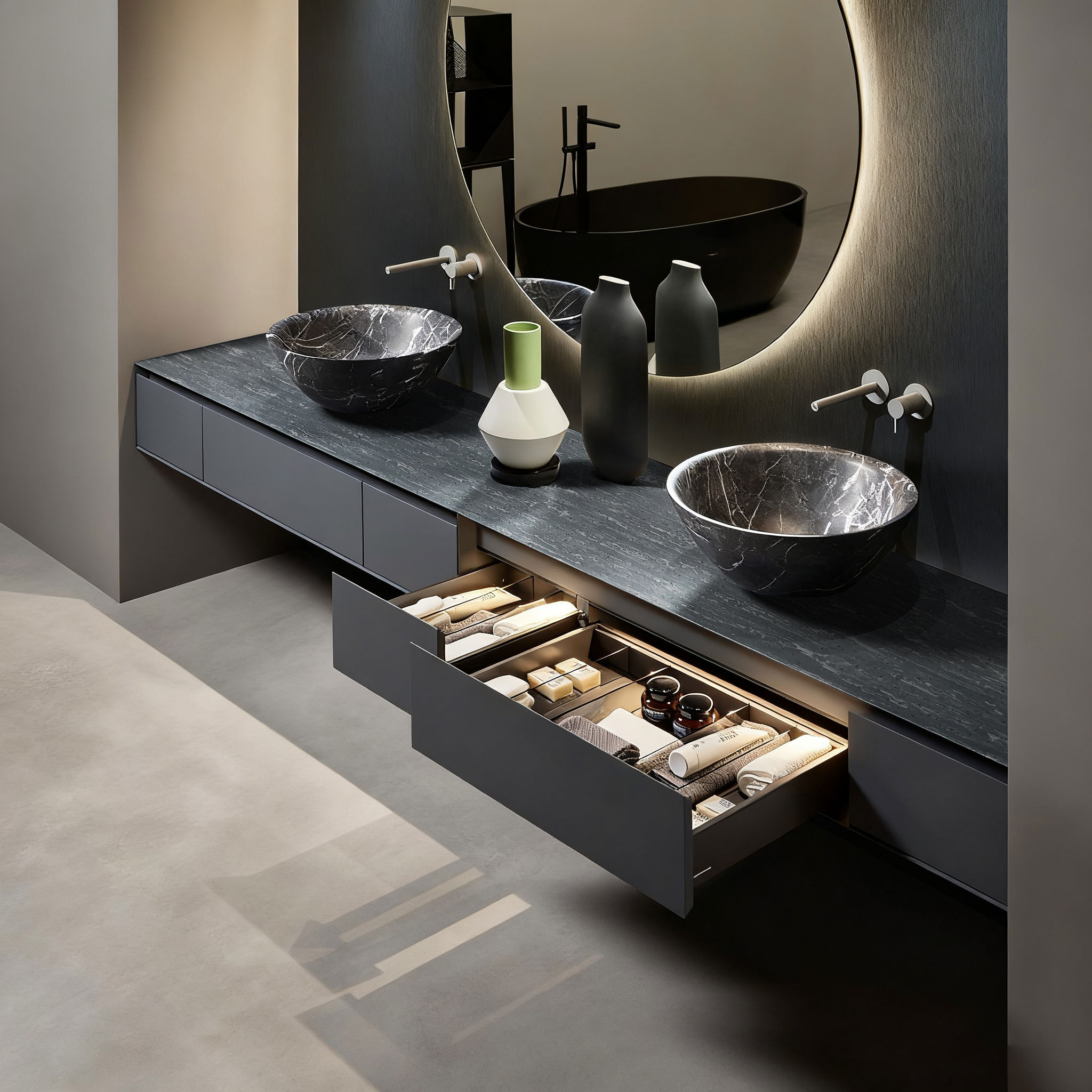
Bathroom vanities and basins — Seamless fabrication eliminates grout lines where mold and mildew typically grow.
Commercial reception desks and feature walls — Large sheets can be thermoformed into curved shapes, enabling distinctive architectural elements.
Healthcare environments — Hospitals and clinics specify solid surface for hygiene-critical applications, including nurse stations and lab countertops.
Retail and hospitality spaces — Shopping malls, hotels, and restaurants use it for custom-fabricated furniture and fixtures that need to handle heavy daily use.
The thermoforming capability is worth highlighting specifically. Unlike natural stone, which is rigid and difficult to shape, solid surface sheets can be heated and bent into curves—opening up design possibilities that simply aren't achievable with granite or marble.
Selecting a supplier is as important as selecting the material itself. A supplier who can't deliver consistent quality, reliable certifications, or customization support will create downstream problems for fabricators and end clients alike.
Key factors to evaluate:
Certifications. Look for suppliers whose products carry recognized certifications such as NSF (for food-contact safety), CE (for European market compliance), and ISO 9001 (for quality management systems). These certifications confirm that the material has been independently tested and meets established safety and performance standards.
Color and pattern range. A limited palette means limited design options. Suppliers with a broad library—ideally 200 colors or more—give designers more room to match existing aesthetics or create something distinctive.
Custom fabrication capability. For commercial projects, the ability to produce custom sizes, shapes, and integrated features (like integrated sinks or curved reception desks) is often a requirement, not a luxury.
Experience and production scale. Suppliers with dedicated manufacturing facilities and multi-decade track records are better positioned to handle volume orders with consistent quality.
Surface Solution®, a brand of Shenzhen Letu Industrial Co., Ltd., has specialized in solid surface production and processing for over 20 years. The company operates three independent workshops and maintains a full product line that spans solid surface sheets, bathtubs, basins, bathroom countertops, kitchen countertops, and restaurant table tops—making it a genuine one-stop source for interior surface needs.
The Surface Solution® catalog includes over 300 colors and patterns, developed over two decades of tracking global design trends. Every product is certified to CE, NSF, and ISO 9001 standards. Customers can work directly with Surface Solution®'s technical team to specify custom dimensions, finishes, and integrated elements.
For those evaluating acrylic solid surface material options, Surface Solution® offers a practical advantage beyond product quality: the team provides end-to-end support from design consultation through finished fabrication, reducing the coordination burden for architects and contractors managing complex projects.
What is acrylic solid surface sheet made of?
Acrylic solid surface sheet is manufactured from a blend of acrylic resin and natural mineral fillers, typically alumina trihydrate (ATH). The combination produces a dense, non-porous sheet that can be shaped, joined, and finished to a seamless result.
Can acrylic solid surface sheets be repaired after scratching?
Yes. Because the color and composition run throughout the thickness of the sheet, surface scratches can be sanded out with fine-grit sandpaper and buffed back to the original finish. This repairability is one of the key advantages over laminate and natural stone.
How thick should solid surface sheets be for countertop applications?
Standard countertop applications typically use sheets that are 12mm thick. Thicker options (19mm or 25mm) are available for heavy-duty commercial installations or specific aesthetic requirements.
Is solid surface sheet suitable for outdoor use?
Acrylic-based solid surface performs well indoors and in covered outdoor environments. Prolonged direct sun exposure can affect some formulations over time, so it's worth confirming UV stability ratings with your supplier before specifying it for fully exposed outdoor applications.
How does Surface Solution® support international buyers?
Surface Solution® ships globally and works with buyers across home, retail, hospitality, and healthcare markets. The team supports custom orders and provides technical guidance throughout the project lifecycle. Buyers can request a free quote through the Surface Solution® website at pstone.us.
Acrylic solid surface sheet has earned its position as a leading interior material because it genuinely performs across a wide range of demands—hygiene, durability, design flexibility, and long-term value. The decision comes down to selecting the right formulation and the right supplier for your specific application.
Surface Solution® combines 20+ years of manufacturing experience, a 300+ color catalog, and full custom fabrication capability under one roof. If you're specifying materials for an upcoming project, contact the Surface Solution® team at pstone.us to request samples or a free project quote.


