
- All
- Product Name
- Product Keyword
- Product Model
- Product Summary
- Product Description
- Multi Field Search
English
Views: 0 Author: Site Editor Publish Time: 2026-05-22 Origin: Site


Quick answer: An acrylic solid surface sheet provides a seamless, non-porous, and highly durable material ideal for modern bathroom renovations. Homeowners and designers choose this material because it resists moisture, prevents mold growth, and offers unmatched design flexibility for custom fixtures like countertops, sinks, and bathtubs.
Renovating a bathroom requires making dozens of impactful decisions that influence your daily routine. Few choices carry as much weight as selecting the right materials for your washing and bathing areas. Because bathrooms experience high humidity and frequent use, the surfaces you install must withstand rigorous conditions without sacrificing visual appeal. Traditional materials like natural stone or ceramic tile often fall short due to porous surfaces and high maintenance requirements.
This is exactly why modern interior designers heavily favor engineered materials. By incorporating an acrylic solid surface sheet into your renovation project, you gain a versatile foundation that combines luxury with practical durability. These materials offer a pristine, uninterrupted finish that eliminates the grout lines where dirt and bacteria typically accumulate.
Beyond functionality, engineered surfaces unlock incredible creative freedom. Manufacturers can mold and shape the material into virtually any configuration, allowing for custom vanity tops, integrated sinks, and uniquely contoured bathtubs. This article will explore how to optimize your bathroom layout, evaluate different fixture styles, and make informed material choices for a lasting upgrade.
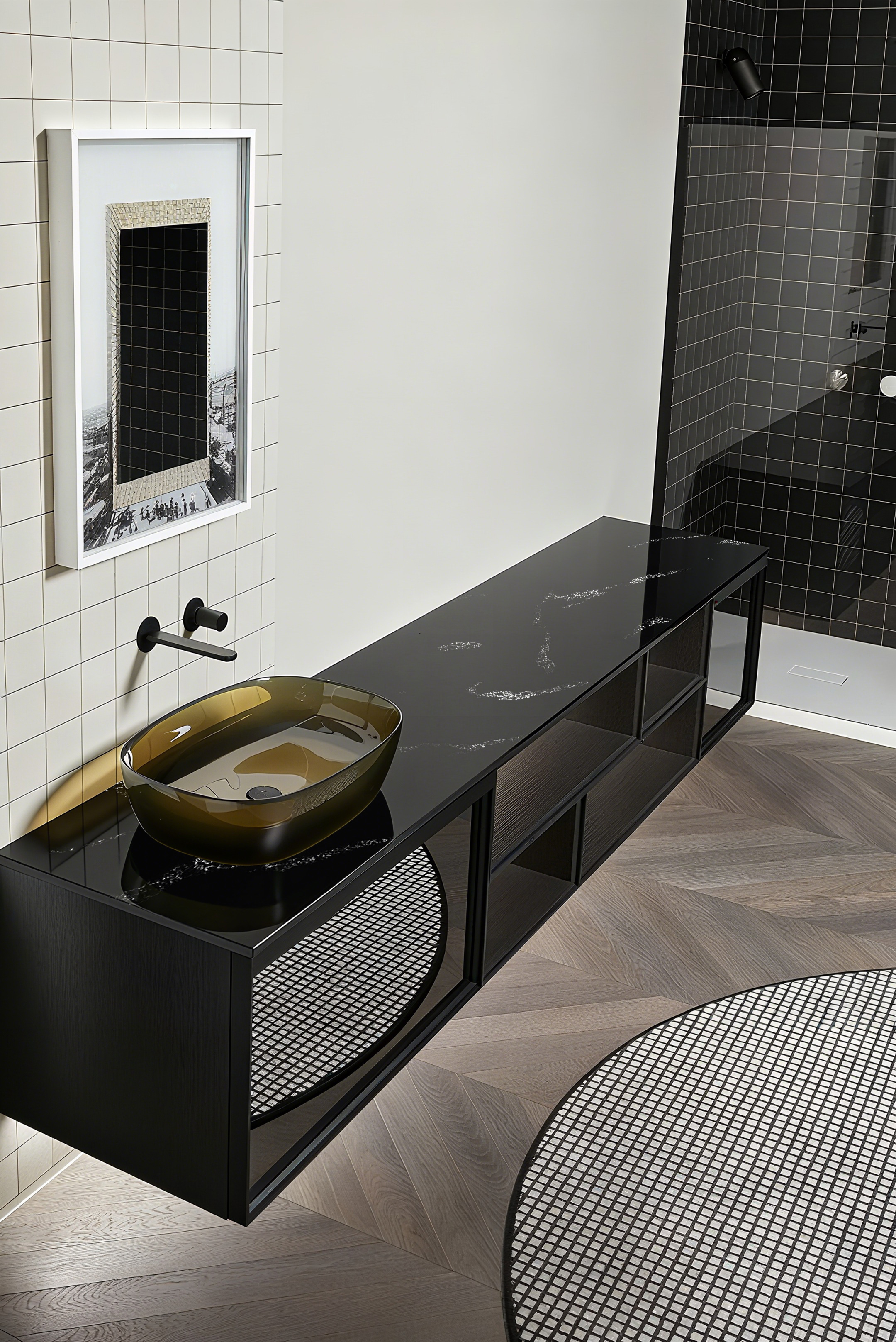
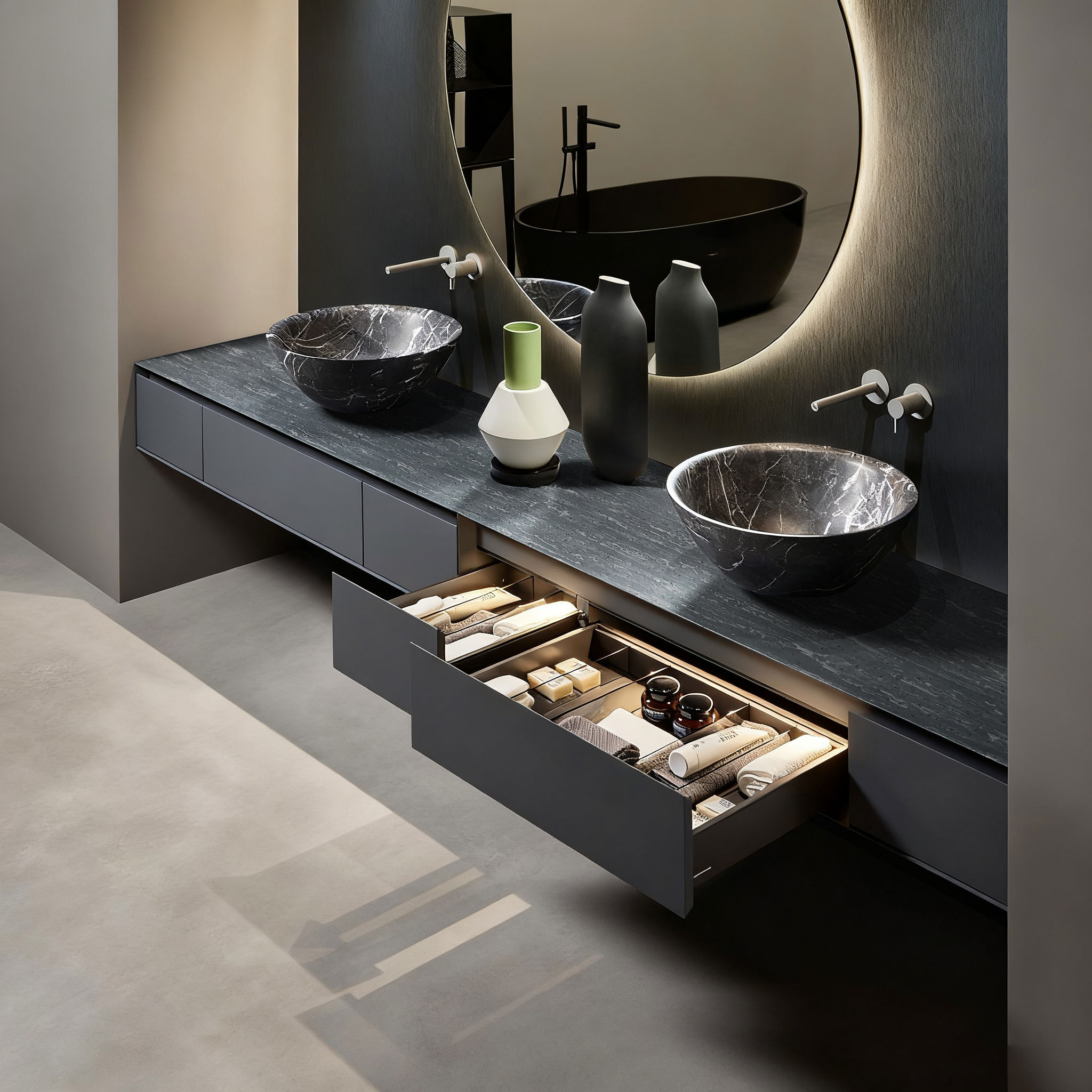
Solid surface materials provide a completely non-porous finish that actively prevents mold and bacterial growth. According to industry standards, high-quality engineered surfaces maintain CE, NSF, and ISO9001 certifications, ensuring they meet strict safety and hygiene benchmarks. This makes them exceptionally well-suited for high-moisture environments like bathrooms and kitchens.
Another major advantage is the material's repairability. Scratches, minor burns, or stubborn stains can easily be buffed out using mild abrasive pads, restoring the finish to its original state. Shenzhen Letu Industrial Co., Ltd, a manufacturer with over 20 years of experience, notes that these surfaces can be customized into over 300 popular colors, patterns, and natural textures. This extensive variety ensures that you can match any specific architectural aesthetic without relying on fragile or high-maintenance natural stones.
Choose solid surface materials if long-term durability and ease of maintenance matter more to you than the specific, raw look of quarried marble. The uniform composition means the color runs all the way through the material, preventing the fading or chipping issues common with cheaper laminates or coated ceramics.
Space optimization is the most critical factor when designing a small bathroom. Bulky vanities can quickly overwhelm limited square footage, making the room feel cramped and difficult to navigate. To counter this, designers often recommend elevating fixtures off the floor to create an optical illusion of more space.
For compact spaces, selecting a wall hung basin frees up valuable floor area and creates a clean, minimalist aesthetic. By mounting the fixture directly to the wall structure, you eliminate the need for a bulky cabinet base. This open space underneath the sink allows light to flow more freely across the floor, making the entire bathroom appear larger than its actual dimensions.
When configuring this setup, ensure your wall structure contains the proper blocking to support the weight of the fixture. You will also need to plan for exposed plumbing, which can be styled with premium metallic P-traps to enhance the modern industrial look.
When upgrading your bathroom, you will inevitably need to decide between standalone fixtures and integrated vanity units. Both approaches offer distinct advantages depending on your daily habits, storage needs, and the overall size of your space.
Integrated units feature a sink basin molded directly into the countertop material, resulting in zero seams or caulked joints. This seamless transition drastically reduces cleaning time. Freestanding options act as standalone focal points, offering more dramatic architectural appeal but sometimes requiring more complicated plumbing setups.
Below is a breakdown of common fixture configurations to help guide your purchasing decision:
Fixture Style | Best Application | Space Requirement | Maintenance Level |
Integrated Vanity | Family bathrooms needing storage | Medium to Large | Low |
Wall-Mounted Sink | Minimalist designs and half-baths | Small | Low |
Standalone Tub | Luxury master suites | Large | Medium |
Vessel Sink | Contemporary powder rooms | Medium | High |
Choose an integrated vanity if concealed storage matters more than having a visually striking, sculptural sink. Conversely, select a standalone feature if you have ample square footage and want to create a spa-like focal point in the room.


While minimalist and modern designs dominate current trends, classic configurations still hold significant value, especially in historic homes or retro-inspired renovations. Traditional setups often prioritize structural elegance and tried-and-true installation methods over hyper-modern, floating designs.
Homeowners aiming for a classic aesthetic might prefer a pedestal basin to elegantly conceal unsightly plumbing pipes while maintaining a timeless silhouette. This style consists of an upper washbasin supported by a slender vertical column. The column serves a dual purpose: it bears the weight of the basin and hides the water supply lines and drainpipe from view.
This traditional configuration works exceptionally well in guest bathrooms or powder rooms where extensive under-sink storage is not strictly necessary. It provides a sturdy, reliable fixture that instantly adds a touch of vintage sophistication to the space, particularly when paired with high-quality cross-handle faucets.
Upgrading your bathroom with premium engineered materials significantly improves both the functionality and market value of your home. By evaluating your space constraints and prioritizing seamless, non-porous surfaces, you establish a foundation for a healthy, easily maintained environment.
Begin your project by measuring your available square footage and determining whether your layout can accommodate integrated vanities or if space-saving wall-mounted options make more sense. Consult with a specialized manufacturer to request material samples, allowing you to view the colors and textures under your bathroom's specific lighting conditions before making a final commitment.
The cost of installing engineered surfaces varies widely based on the complexity of the design, the color chosen, and regional labor rates. Generally, these materials sit in the mid-to-high price tier, offering a more affordable alternative to premium natural stone while costing more than basic laminates. Custom molded features, like integrated sinks, will increase the final project price.
With proper care and routine cleaning, these surfaces easily last 20 to 30 years. Because the material is homogeneous, minor scratches or burns can be sanded out, allowing the surface to look brand new decades after the initial installation.
The primary risk involves exposure to extreme heat or harsh industrial chemicals. While highly durable, placing curling irons or straighteners directly on the surface can cause scorching. Additionally, abrasive acidic cleaners can dull the finish over time. Always use mild soap and water for daily maintenance.
Common alternatives include natural stone (like granite or marble), quartz, and ceramic tile. Natural stone offers unique veining but requires regular sealing to prevent stains. Quartz provides similar durability but cannot be seamlessly thermoformed into curved shapes. Ceramic tile is budget-friendly but introduces grout lines that require heavy scrubbing.
Engineered surface materials are ideal for busy households, design-conscious homeowners, and commercial properties that require strict hygiene standards. If you want a fully customized, low-maintenance bathroom without the hassle of sealing porous stones, this material is the optimal choice.


