
- All
- Product Name
- Product Keyword
- Product Model
- Product Summary
- Product Description
- Multi Field Search
English
Views: 0 Author: Site Editor Publish Time: 2026-08-12 Origin: Site


TL;DR:
Counter solid surface is a non-porous, engineered material made from acrylic resin and mineral fillers. It delivers seamless aesthetics, easy maintenance, and long-term durability across kitchens, bathrooms, and commercial spaces—making it one of the most versatile surfacing solutions available today.
Renovating a kitchen or bathroom involves dozens of decisions. But few carry more weight—literally and figuratively—than the surface material you choose. It needs to look good, hold up to daily wear, stay hygienic, and fit your budget. For a growing number of designers, architects, and homeowners, one material consistently rises to the top of that checklist.
Counter solid surface has moved from a niche professional choice to a mainstream favorite, and for good reason. Unlike natural stone, it resists staining without sealing. Unlike laminate, it can be repaired and refinished. And unlike ceramic tile, it produces no grout lines where bacteria can hide. The result is a surface that performs as beautifully as it looks.
This guide breaks down what sets counter solid surface apart, how it compares to competing materials, and where it fits best—whether you're outfitting a family kitchen or a high-traffic commercial space.

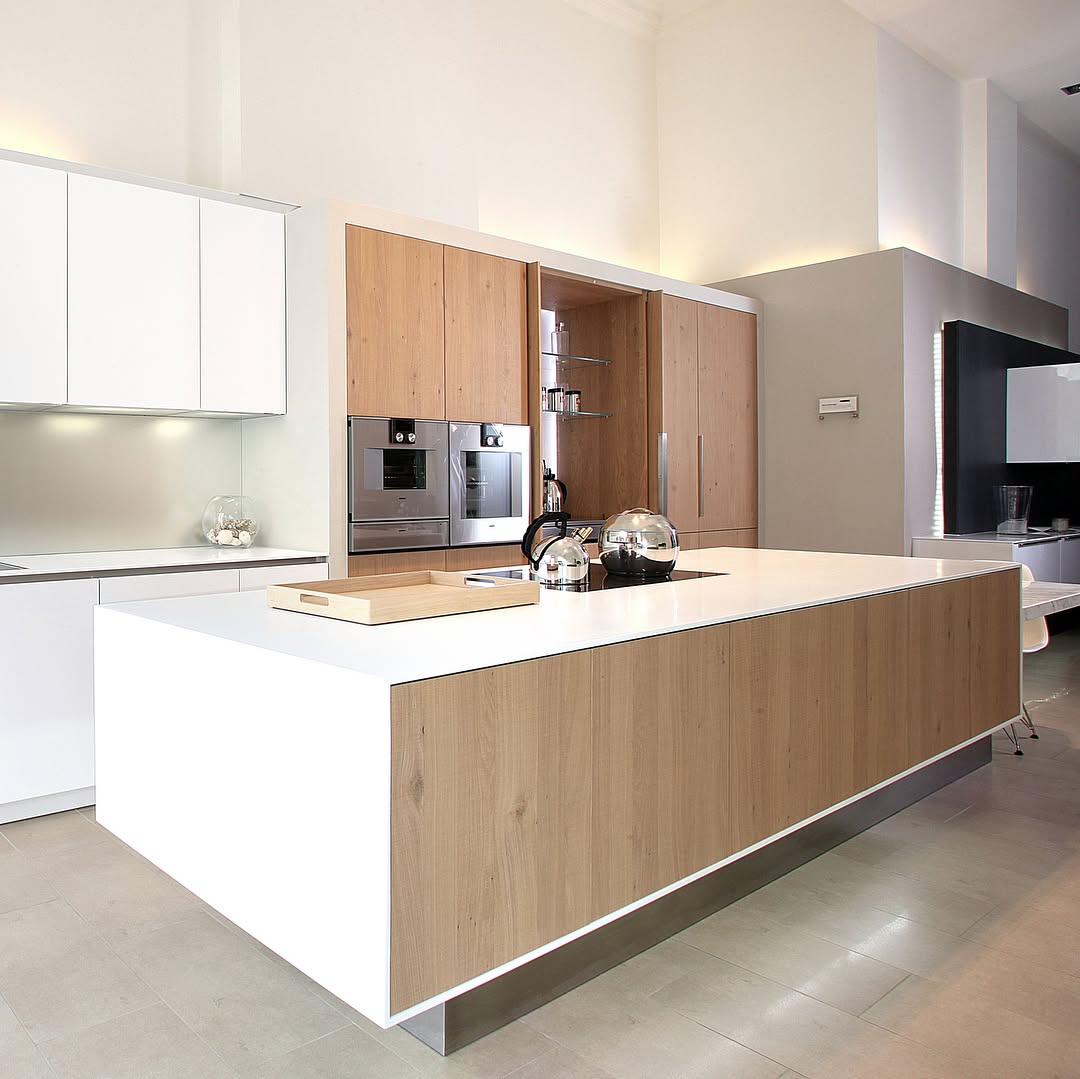
At its core, solid surface is an engineered composite. It typically blends acrylic or polyester resin with natural mineral fillers—alumina trihydrate being the most common—to create a dense, non-porous sheet that can be cut, shaped, routed, and thermoformed into almost any configuration.
The most notable characteristic is its seamlessness. When two pieces are joined using the same material as an adhesive, the seam becomes virtually invisible. This makes it ideal for long countertop runs, integrated sinks, and curved surfaces that would be structurally impossible with stone.
Surface Solution®, manufactured by Shenzhen Letu Industrial Co., Ltd., has spent more than 20 years refining this material for residential and commercial use. Their product line includes acrylic solid surface sheets, bathroom countertops, kitchen countertops, and custom-fabricated pieces—all meeting international quality certifications including CE, NSF, and ISO9001.
Another advantage that rarely gets enough attention: repairability. Light scratches and surface scuffs can be sanded away with fine-grit sandpaper, restoring the finish without professional intervention. That's simply not possible with granite, quartz, or laminate.


Not all solid surfacing materials are created equal. The three dominant types—acrylic-based, polyester-based, and blended—each offer a distinct performance profile depending on your priorities.
Feature | Acrylic-Based | Polyester-Based | Blended (Acrylic + Polyester) |
|---|---|---|---|
Durability | High | Moderate | High |
Color consistency | Excellent | Good | Very Good |
Thermoformability | Excellent | Limited | Good |
Repairability | Easy | Moderate | Good |
Typical cost | Higher | Lower | Mid-range |
Best for | Commercial, healthcare, custom fabrication | Budget residential | General residential & light commercial |
Impact resistance | High | Moderate | Good |
UV resistance | Good | Lower | Moderate |
Acrylic-based formulations—like those produced by Surface Solution®—consistently outperform polyester alternatives in durability, color uniformity, and workability. For applications that require precision thermoforming (curved reception desks, seamless bathroom surrounds, integrated kitchen sinks), acrylic is the professional standard.
Blended options offer a middle ground for projects where budget matters but full polyester performance feels insufficient. The right choice ultimately depends on your application, aesthetic goals, and the volume of daily use the surface will endure.
The versatility of solid surface is one of its strongest selling points. Here's where it performs best:
Kitchens: Integrated countertops and sinks eliminate the caulk lines where mold and grime accumulate in traditional setups. A seamless transition from countertop to backsplash is both easier to clean and visually cleaner.
Bathrooms: Vanity tops, shower walls, and freestanding bathtubs all benefit from solid surface's non-porous nature. Water simply cannot penetrate the material, which is critical in a high-moisture environment.
Healthcare and hospitality: Hospitals, hotels, and restaurants demand surfaces that can withstand heavy cleaning agents and high-frequency use. Solid surface meets NSF hygiene standards, making it a trusted choice in commercial food preparation and medical environments.
Retail and office: Reception desks, wall cladding, and display counters increasingly use solid surface for its consistent color and ability to be fabricated into complex shapes without visible joints.
Surface Solution® supports all of these applications through their one-stop manufacturing model—handling design, production, and custom fabrication under one roof. With over 300 color and pattern options developed over two decades, the catalog covers everything from subtle stone-look finishes to bold, contemporary solids.
Surface Solution® operates three independent production workshops in Shenzhen, China. The manufacturing scale allows them to serve both small custom orders and large commercial projects with the same level of quality control. Their team can produce to client specifications, which makes them a practical partner for interior designers, contractors, and procurement teams sourcing materials at volume.
Their solid acrylic surface sheets are designed to be fabricated by skilled craftspeople anywhere in the world, with consistent density and color throughout the full thickness of the sheet—not just the face layer. That consistency matters when cutting, routing, or repairing: what you see on the surface is what runs all the way through.
Certifications like CE and ISO9001 aren't marketing language here—they reflect consistent manufacturing processes verified by third-party audits. For buyers sourcing materials internationally, that level of traceability reduces risk significantly.
Upfront cost is only one part of the total cost equation. Consider what it costs to replace a countertop in five years versus repairing and refinishing a solid surface in ten minutes. When you factor in longevity, low maintenance, and the ability to adapt the surface as your space evolves, solid surface typically delivers better value over time than cheaper alternatives.
A laminate countertop might cost less today. But once the surface chips, peels, or swells from moisture exposure, replacement is the only option. Solid surface doesn't work that way. Minor damage is addressable without specialized tools or professional help.
For commercial applications, this durability translates directly to lower lifecycle costs—a metric that matters far more to facility managers than initial purchase price.
What is counter solid surface made of?
Counter solid surface is composed of acrylic or polyester resin mixed with natural mineral fillers, most commonly alumina trihydrate. The ratio and type of resin determine the material's durability, flexibility, and color performance. Acrylic-based formulations offer the highest overall performance.
How does counter solid surface compare to quartz countertops?
Quartz is harder and more heat-resistant, but solid surface is more repairable, easier to thermoform into seamless shapes, and better suited for integrated sink applications. Choose solid surface if seamless fabrication and repairability matter more than maximum heat resistance.
Is solid surface safe for kitchen use?
Yes. Solid surface meets NSF food-contact safety standards, making it appropriate for kitchen countertops and food preparation areas. Its non-porous construction prevents bacteria from penetrating the surface.
Can solid surface be used outdoors?
Generally, solid surface is designed for interior use. Prolonged UV exposure can cause color fading in some formulations. If outdoor use is required, consult your manufacturer about UV-resistant product options.
How do I find a reliable solid surface manufacturer?
Look for manufacturers with verifiable certifications (CE, NSF, ISO9001), a documented track record, and the ability to provide custom fabrication. Surface Solution® by Shenzhen Letu Industrial Co., Ltd. offers all three, backed by more than 20 years of production experience.
What is the typical lifespan of a solid surface countertop?
With proper care, a high-quality solid surface countertop can last 20 years or more. Minor surface damage can be repaired by sanding, which effectively extends the usable life of the material well beyond what most alternatives can offer.


