
- All
- Product Name
- Product Keyword
- Product Model
- Product Summary
- Product Description
- Multi Field Search
English
Views: 0 Author: Site Editor Publish Time: 2026-06-16 Origin: Site


Quick answer:
Acrylic solid surfaces are non-porous composite materials made from acrylic resin and natural minerals. They resist stains, block bacteria, and allow for seamless installations. Architects, builders, and homeowners choose them for kitchen countertops, bathroom vanities, and commercial spaces because they pair lasting durability with near-limitless design options.
Few materials have reshaped interior design quite like engineered composite sheets. From sleek hotel lobbies to family kitchens, these surfaces show up everywhere people want clean lines, easy maintenance, and a premium look. Demand keeps climbing as buyers move away from porous stone toward materials that stay hygienic and beautiful for years.
This post breaks down what these surfaces are, why they matter, and how to source them wisely. You'll learn the key benefits, see how different options compare, and pick up practical tips for choosing a supplier. By the end, you'll know whether this material fits your next project—and what to look for before you buy.
Whether you're renovating a single bathroom or specifying materials for a large build, the right surface choice affects cost, upkeep, and the final look. Let's get into the details.
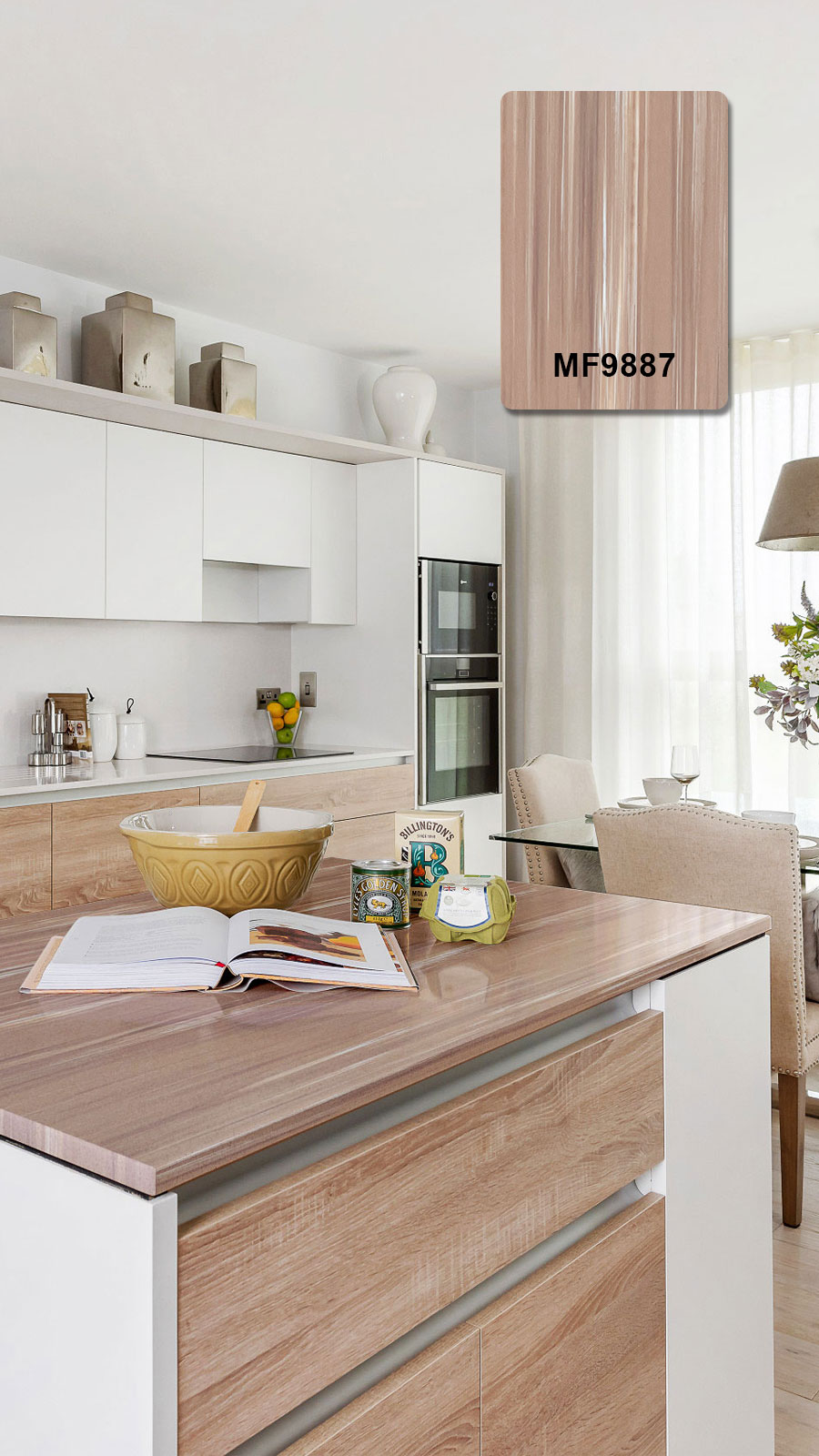
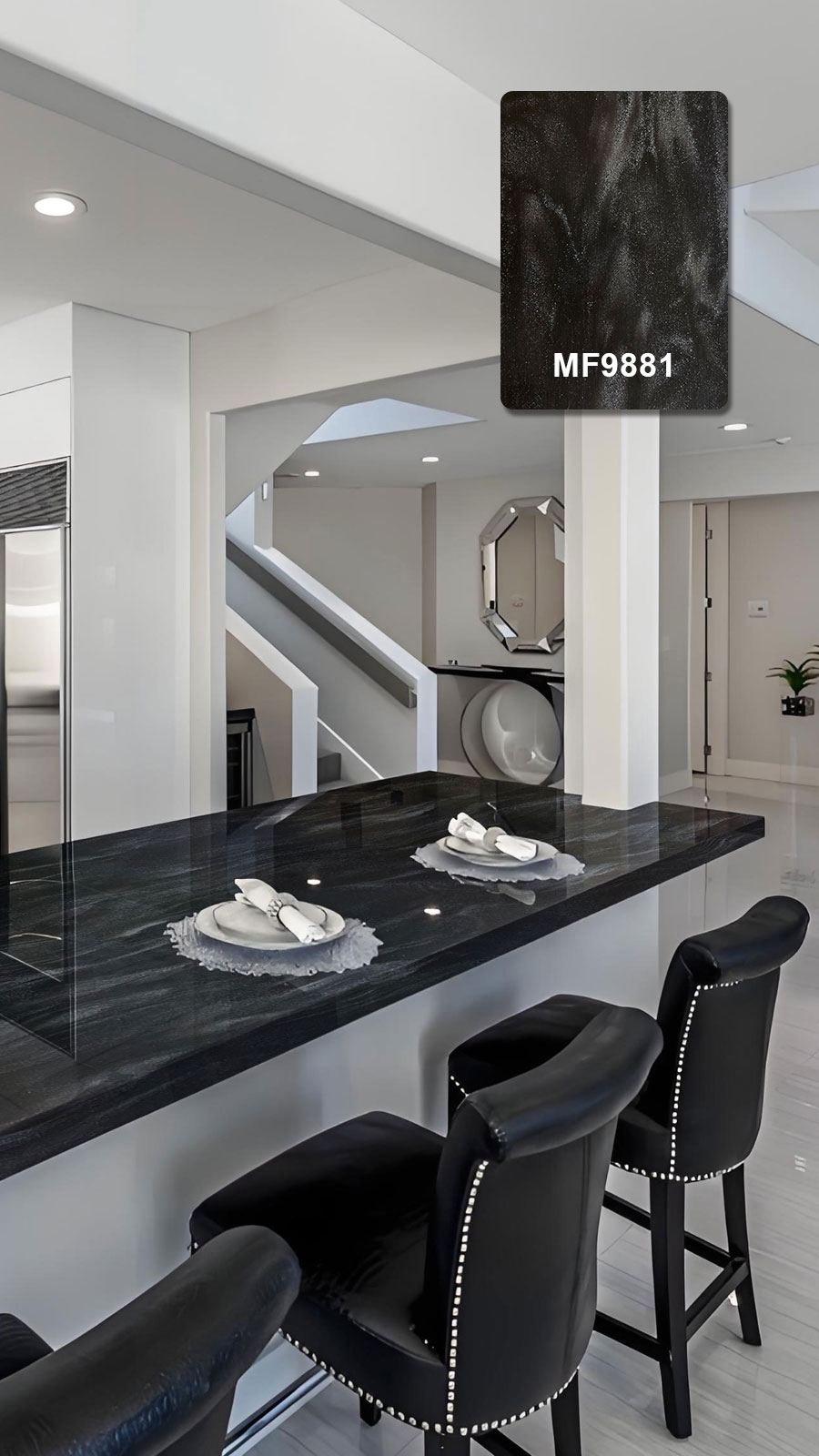
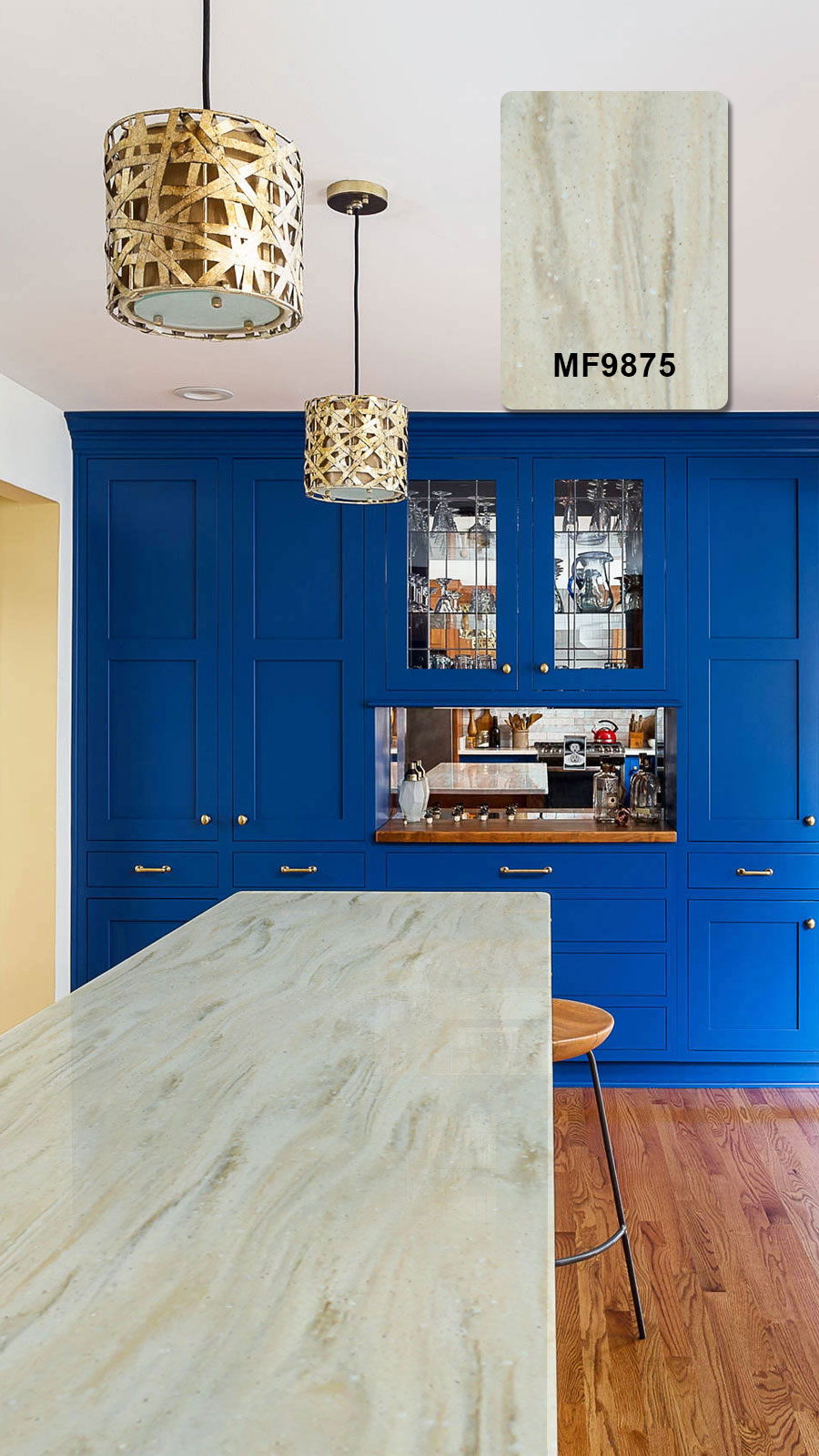
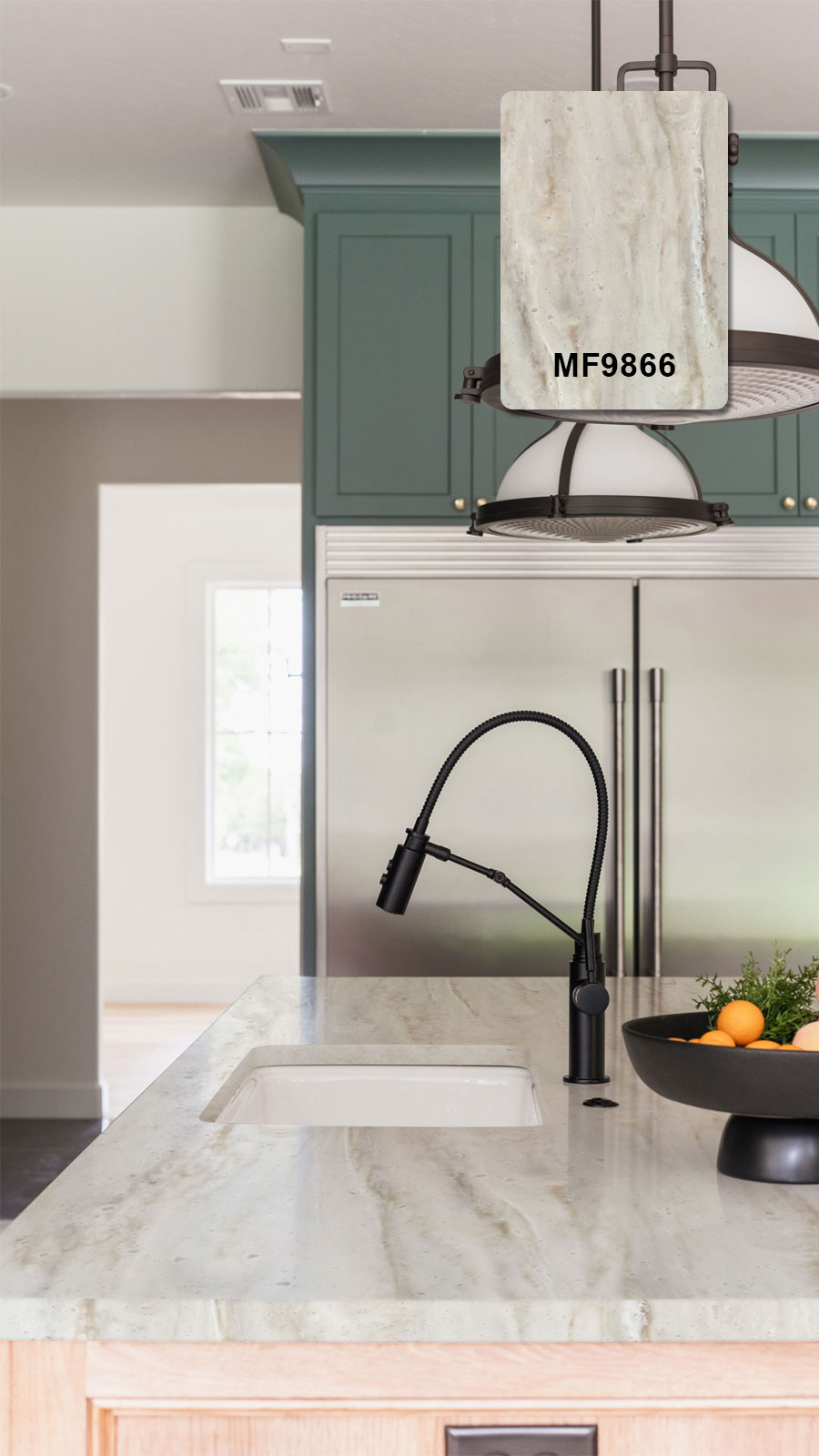
At their core, acrylic solid surfaces blend acrylic resin with natural mineral fillers and color pigments. This mix creates a solid, uniform material that runs all the way through—not just a thin layer on top. That through-body construction matters. If the surface gets scratched or scuffed, you can sand it back to look brand new.
The material is non-porous, which means liquids can't seep in. No seeping liquids means no stains, no mold, and no bacteria buildup. That's why hospitals, restaurants, and kitchens favor it. It meets strict hygiene standards while still looking warm and inviting.
Manufacturers can mold these sheets into almost any shape. Curved reception desks, integrated sinks, and seamless wall panels all become possible. The joins between pieces can be glued and sanded until they vanish, creating one continuous surface with no visible seams.
The appeal comes down to a rare combination of looks and performance. Many materials offer one or the other. These composite sheets deliver both.
Here are the main reasons specifiers reach for it:
Seamless installation: Pieces bond together invisibly, ideal for long countertops and large wall sections.
Easy repair: Minor damage sands out with simple tools, extending the material's life.
Hygiene: The non-porous surface resists bacteria, making it a strong fit for healthcare and food service.
Design freedom: Over 300 colors, patterns, and natural textures are available from established makers, so the material suits almost any aesthetic.
Custom shapes: Heat-forming allows curves and complex forms that stone simply can't match.
One manufacturer with more than 20 years of experience, Shenzhen Letu Industrial, holds CE, NSF, and ISO9001 certifications—a useful benchmark when you compare suppliers.
Choosing a countertop or wall material means weighing trade-offs. The table below compares common options across the factors buyers care about most.
Material | Porosity | Repairable | Design Flexibility | Maintenance |
Acrylic composite | Non-porous | Yes, sandable | Very high | Low |
Natural granite | Porous | Limited | Moderate | Medium (needs sealing) |
Quartz | Non-porous | Difficult | High | Low |
Laminate | Porous edges | No | Moderate | Medium |
Stainless steel | Non-porous | Limited | Low | Medium |
Choose acrylic composite if seamless joins and easy repair matter more than the prestige of natural stone. Pick granite if you want a one-of-a-kind natural pattern and don't mind periodic sealing. Quartz works well when you want a non-porous look that mimics stone but can accept harder, less repairable surfaces.
Sourcing decisions shape your project's cost and quality. The global supply landscape has shifted heavily toward Asian manufacturers over the past two decades, with many of the world's most competitive acrylic solid surface China producers offering both stock colors and custom fabrication.
When you evaluate a supplier, look for three things:
Certifications: CE, NSF, and ISO9001 signal that the factory meets recognized safety and quality standards.
Color range: A broader palette—300 colors or more—gives your designs room to breathe.
Custom capability: One-stop suppliers that handle design, production, and fabrication reduce coordination headaches and cut lead times.
Factories with two decades or more of production history tend to deliver more consistent results. They've refined their resin blends, color matching, and finishing processes over many projects. Ask for samples before committing to a large order, and confirm the supplier can fabricate the specific shapes your project needs.
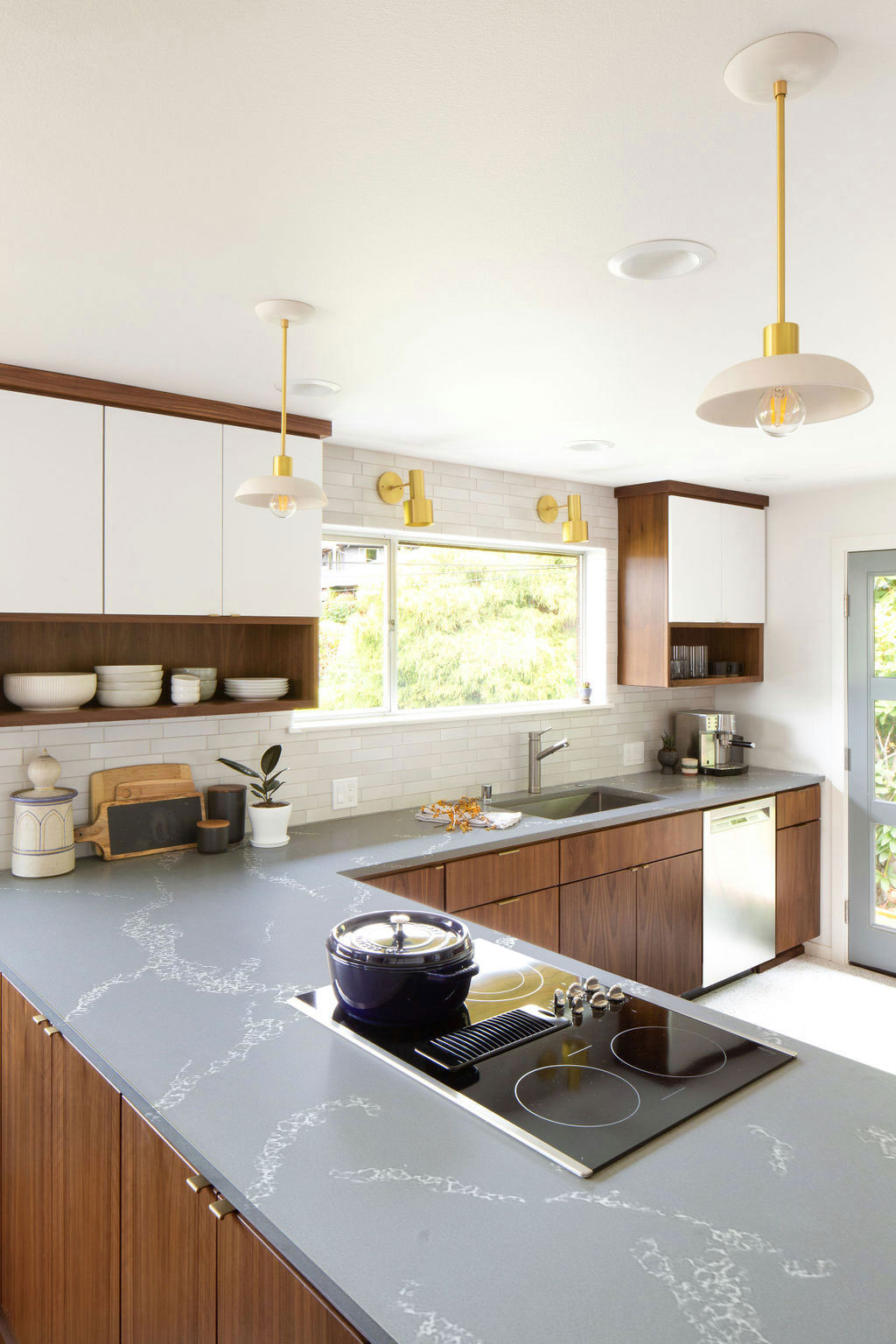
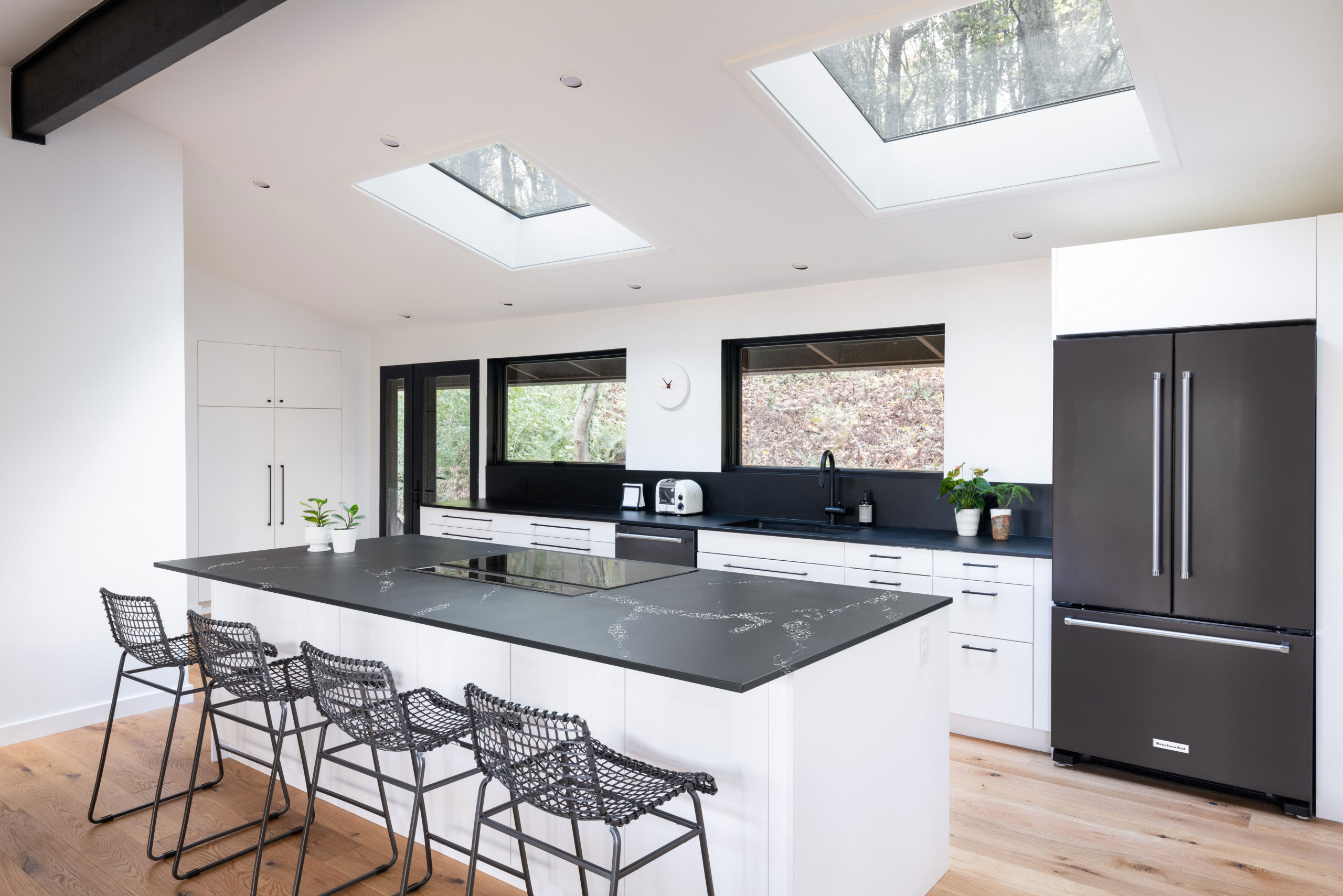
The shift toward hygienic, low-maintenance interiors is the biggest force at play. Healthcare facilities, restaurants, and homeowners all want surfaces that stay clean with minimal effort. As awareness of non-porous benefits spreads, the acrylic solid surface market continues to expand across both residential and commercial construction.
Design trends help too. The current preference for seamless, minimalist spaces plays directly to this material's strengths. Curved forms, integrated sinks, and continuous wall-to-counter transitions are easier to achieve here than with rigid stone. As builders chase these clean looks, demand follows.
Cost trends round out the picture. Mature manufacturing has brought prices within reach of more projects, so a material once reserved for premium builds now appears in mid-range homes and small commercial fit-outs.
Engineered composite sheets earn their popularity through a balance of beauty, hygiene, and durability that few materials match. They sand clean after damage, resist stains and bacteria, and bend into shapes that natural stone can't. For kitchens, bathrooms, healthcare settings, and commercial spaces, they're a practical and stylish pick.
Your next step is simple: define your project's needs, request samples from a certified supplier, and compare colors and finishes in person. Pay attention to certifications, color range, and custom capability when you choose a manufacturer. Get those three right, and you'll end up with a surface that looks great and lasts.
Pricing varies by color, thickness, and fabrication complexity. Stock colors cost less than custom blends, and simple flat installs cost less than curved or molded shapes. Mature manufacturing has lowered prices in recent years, putting the material within reach of mid-range projects. Request quotes from several certified suppliers to compare.
Yes. Because the color and material run through the entire sheet, you can sand out scratches, scuffs, and minor burns. A trained installer can restore the surface to look new, which is a key advantage over laminate and many natural stones.
They are. The non-porous structure blocks bacteria, mold, and liquid penetration. Many products carry NSF certification for food contact, which is why restaurants and home kitchens rely on them. Wipe with mild soap and water for daily cleaning.
With proper care, these surfaces last many years—often decades. Their repairability extends lifespan further, since damage can be sanded out rather than requiring full replacement. Choosing a certified manufacturer with proven experience improves long-term reliability.
Both are non-porous, but acrylic composite is softer and far easier to repair. Quartz is harder and more scratch-resistant but very difficult to fix once damaged. Acrylic composite also offers more options for curved and molded shapes. Choose based on whether repairability or scratch hardness matters more to you.


