
- All
- Product Name
- Product Keyword
- Product Model
- Product Summary
- Product Description
- Multi Field Search
English
Views: 0 Author: Site Editor Publish Time: 2026-06-11 Origin: Site


Quick answer:
The acrylic solid surface market is growing steadily as architects, builders, and homeowners shift toward seamless, non-porous materials. Made from acrylic resin and natural minerals, these surfaces resist stains, prevent mold, and offer near-limitless design flexibility—qualities driving adoption across kitchens, bathrooms, healthcare, and commercial spaces worldwide.
Surfaces shape how we live. A kitchen countertop is where breakfast gets made and homework gets done. A bathroom vanity sets the tone for a calm morning routine. As demand grows for materials that are hygienic, durable, and beautiful, the acrylic solid surface market has become one of the most dynamic categories in interior building materials.
This guide breaks down what acrylic solid surface is, why demand is climbing, where these materials are used, and how to source them effectively. Whether you're specifying materials for a commercial project or upgrading a single room, you'll come away with a clearer picture of why this composite has earned its place in modern design.
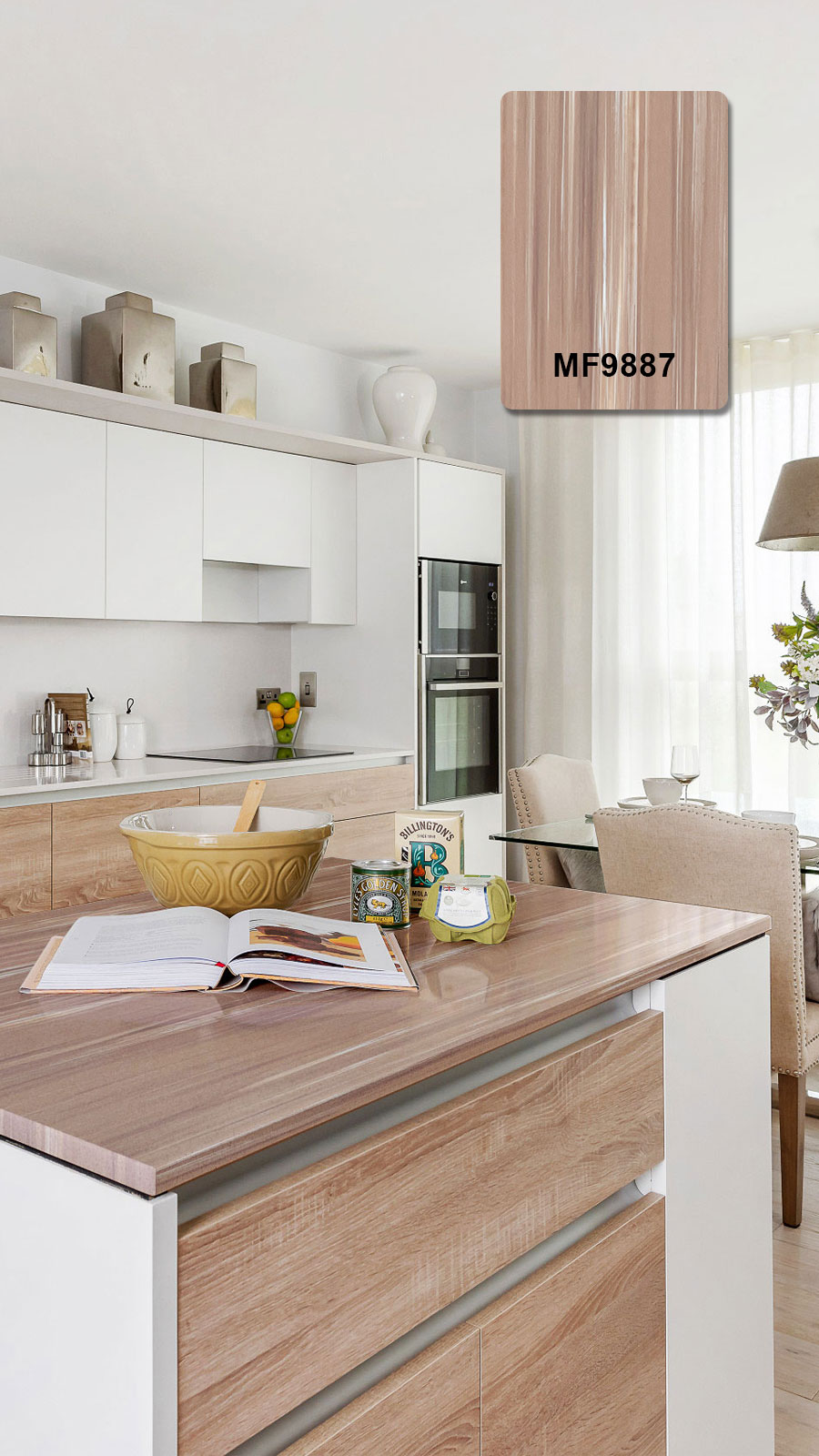
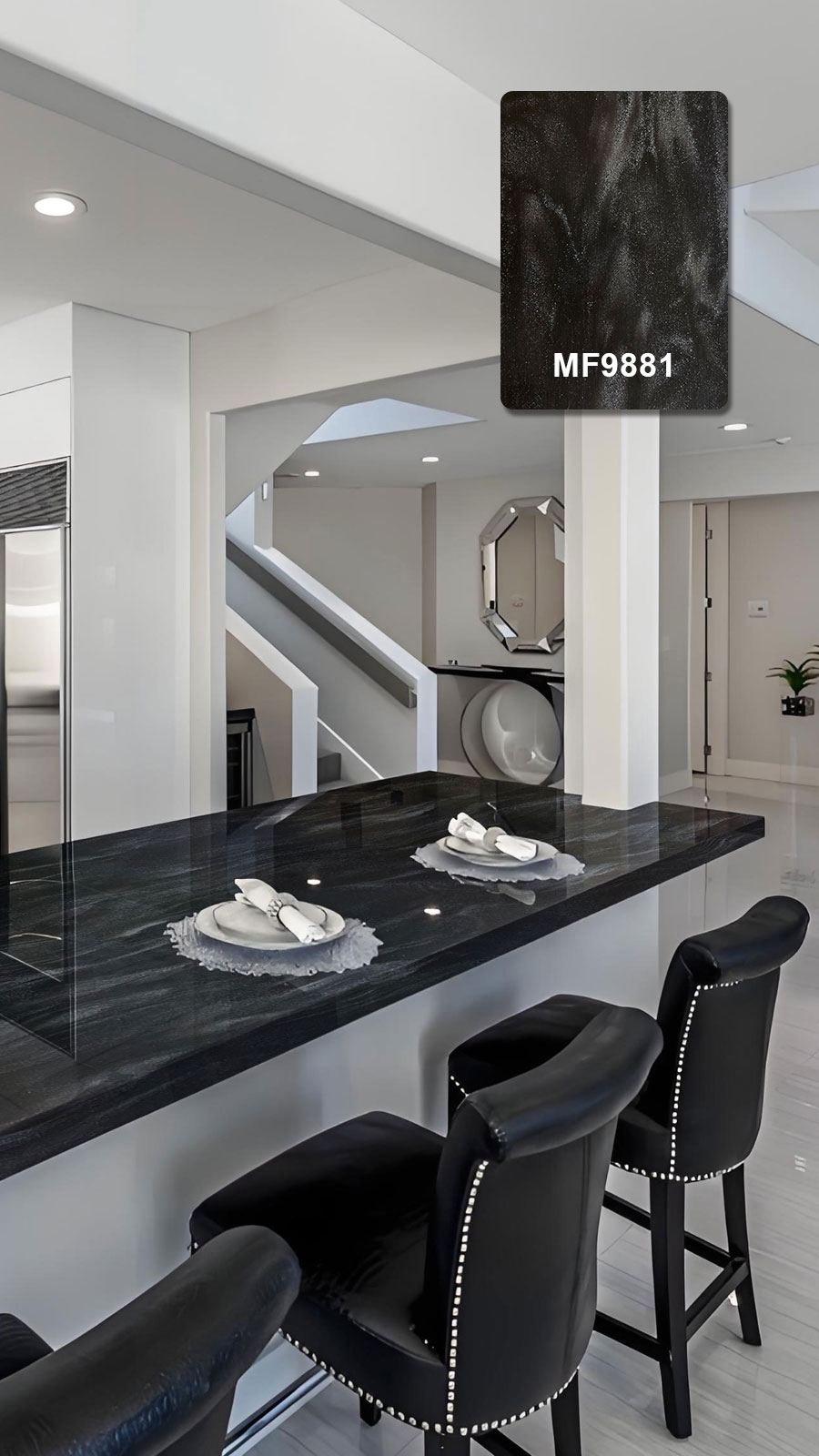
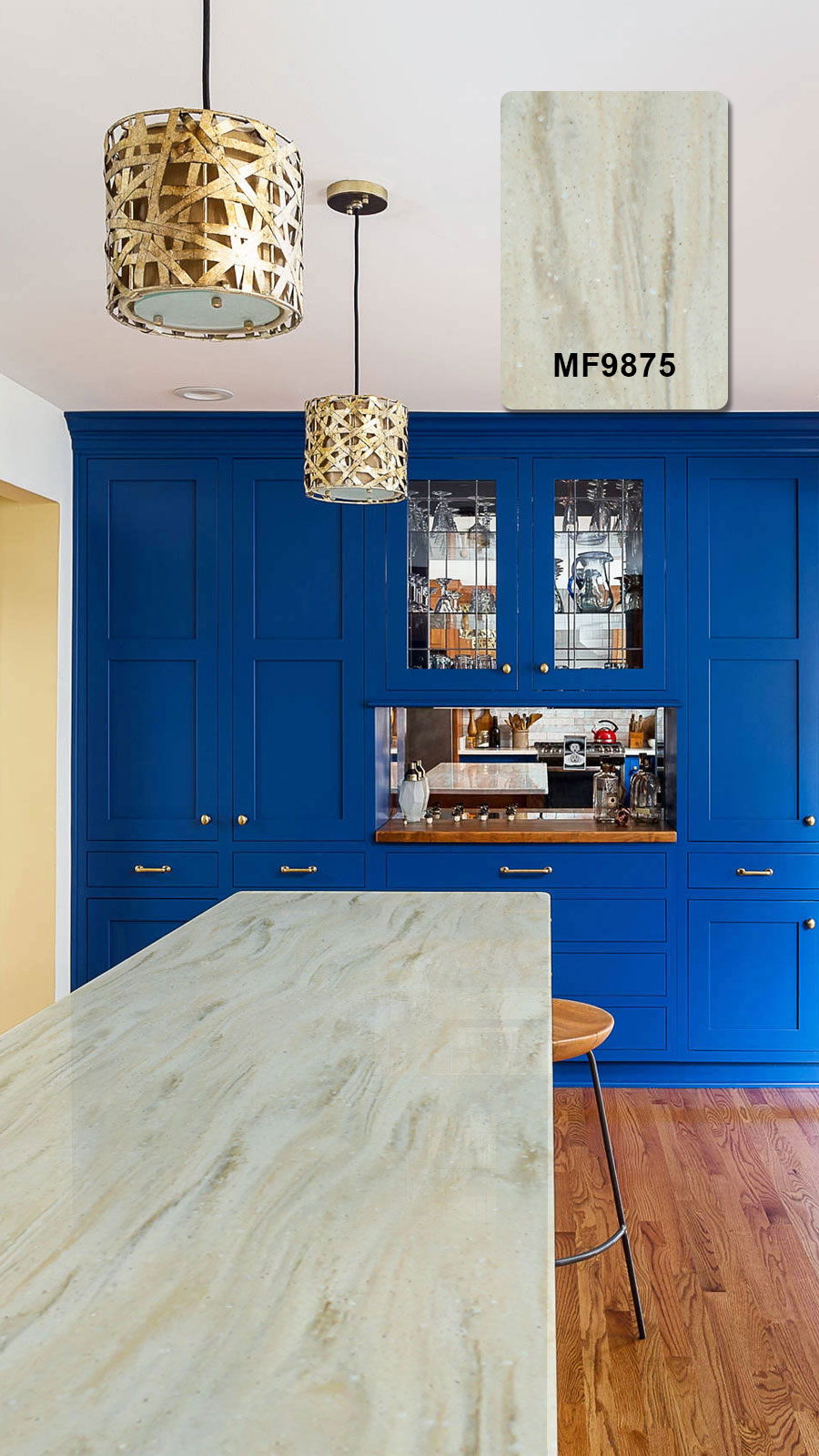
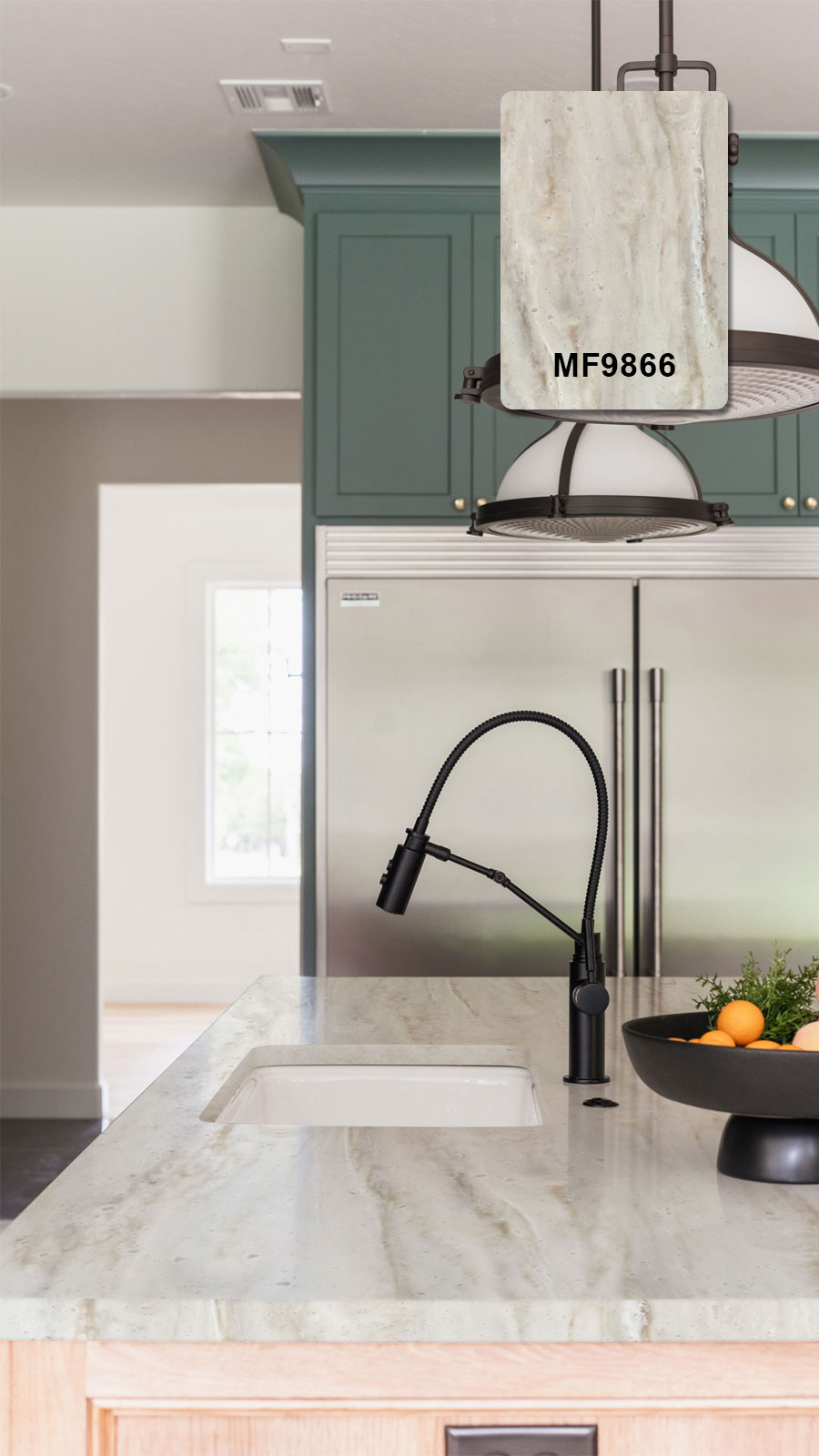
Acrylic solid surface is an engineered composite built from acrylic resin (PMMA), natural mineral fillers like aluminum trihydrate, and pigments. The result is a non-porous, homogeneous material that looks consistent all the way through—not just on the surface.
That composition gives it three standout traits:
Non-porous structure that resists bacteria, mold, and stains
Seamless joinery, since separate pieces can be bonded into one continuous surface with invisible seams
Repairability, because minor scratches and burns can be sanded out and the surface restored
These properties explain why the material shows up everywhere from luxury hotels to hospital wards. Shenzhen Letu Industrial, operating under the Surface Solution® brand, has spent more than 20 years refining these sheets, with over 300 colors, patterns, and natural textures in its catalog.
Several forces are pushing this category forward at once.
Hygiene expectations have changed. Healthcare facilities, restaurants, and kitchens increasingly require surfaces that don't harbor germs. A non-porous composite delivers exactly that, with no grout lines or cracks where bacteria can settle.
Design freedom is in demand. Because solid surface can be thermoformed and seamlessly bonded, designers can create curved reception desks, wraparound vanities, and integrated sinks that natural stone simply can't match.
Sustainability matters more. Newer formulations, including silica-free options, address health and environmental concerns tied to traditional stone fabrication.
Maintenance costs are falling. A surface that can be repaired rather than replaced lowers the total cost of ownership over a building's lifespan.
Below is a quick comparison of how acrylic solid surface stacks up against common alternatives.
Material | Porosity | Seam Visibility | Repairable | Best Suited For |
Acrylic Solid Surface | Non-porous | Invisible (bonded) | Yes | Kitchens, bathrooms, healthcare, hospitality |
Natural Granite | Porous (needs sealing) | Visible | Limited | Traditional kitchen countertops |
Laminate | Non-porous (surface only) | Visible | No | Budget projects |
Quartz | Non-porous | Visible | Limited | High-traffic countertops |
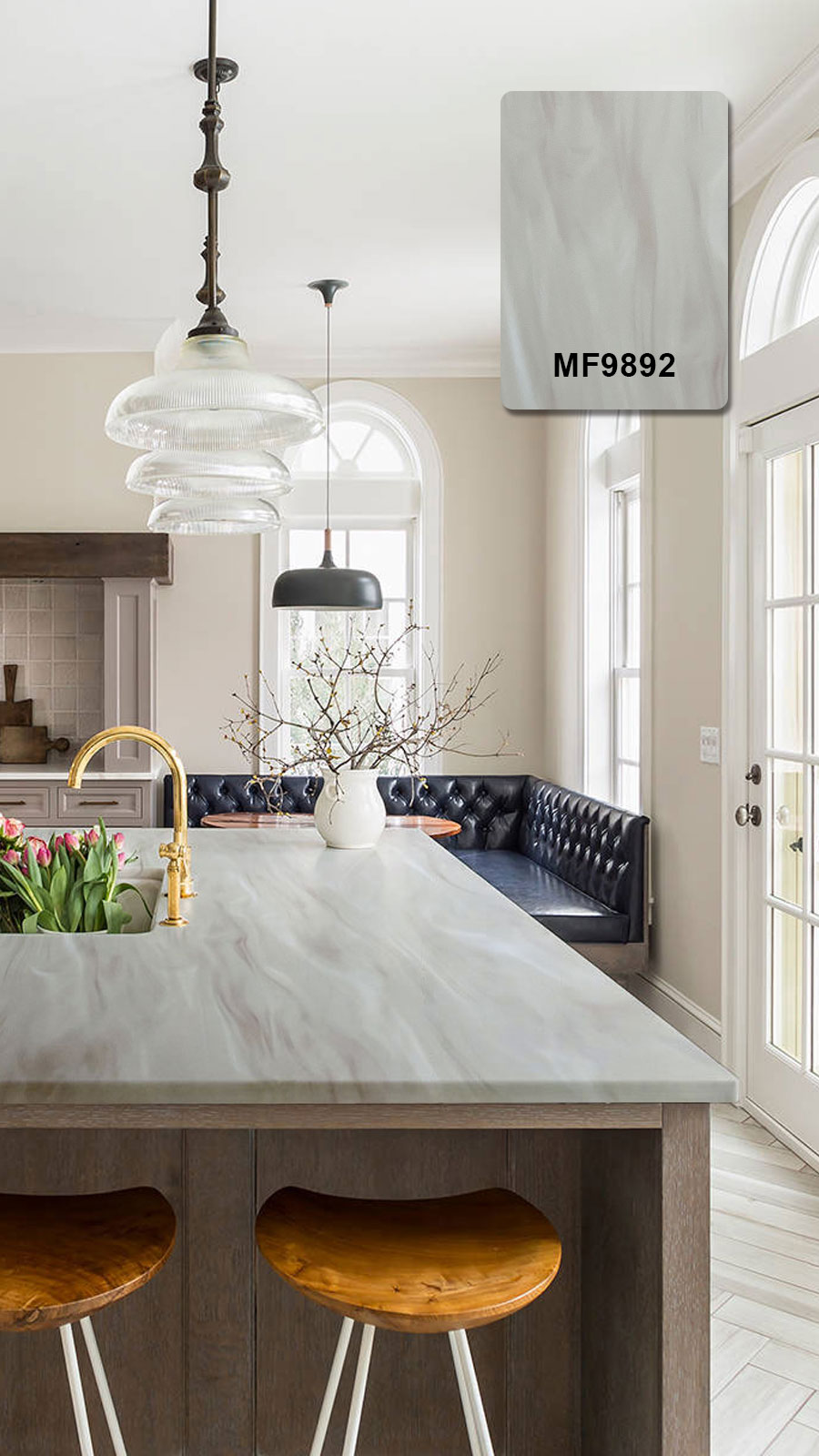
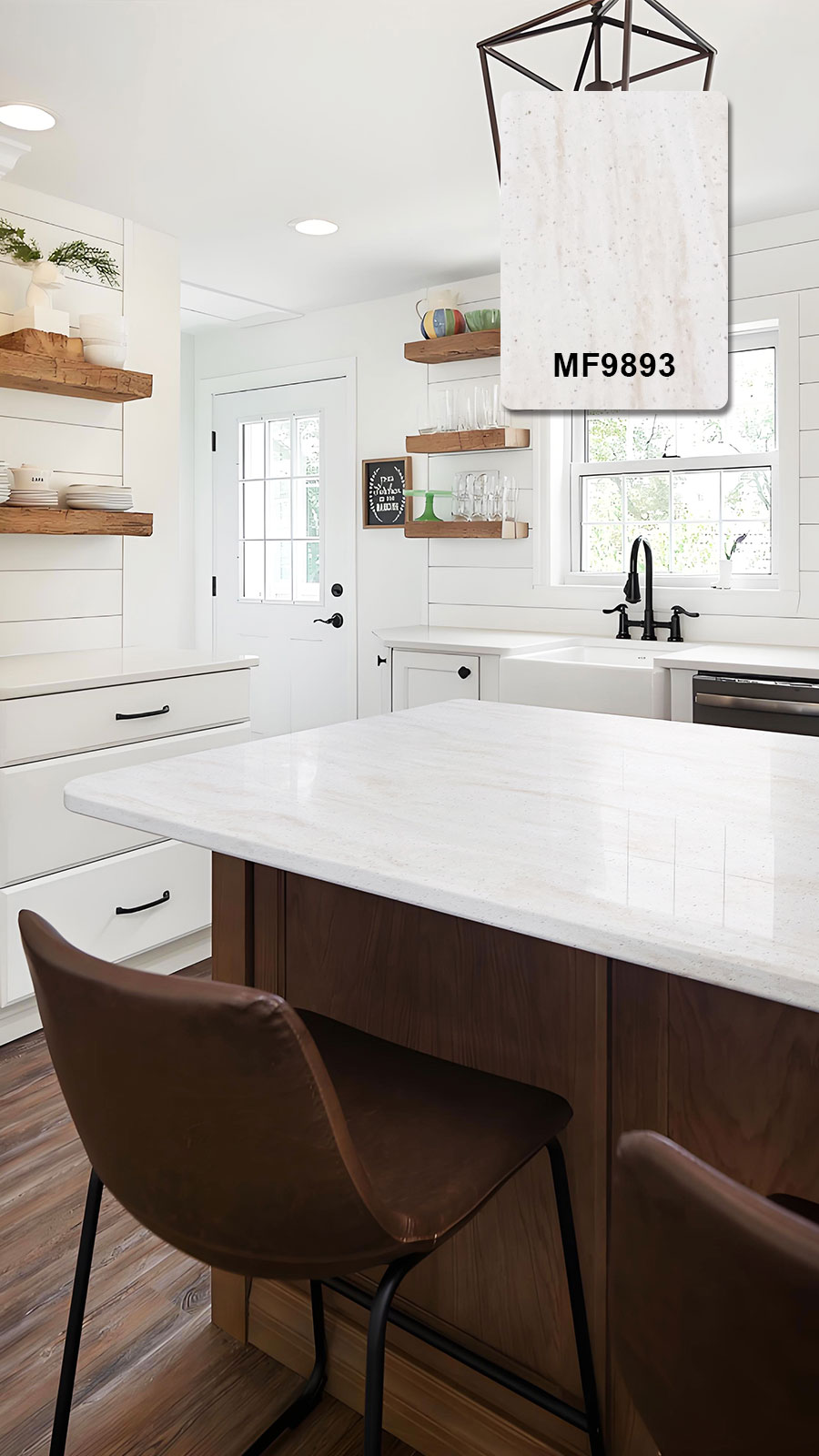
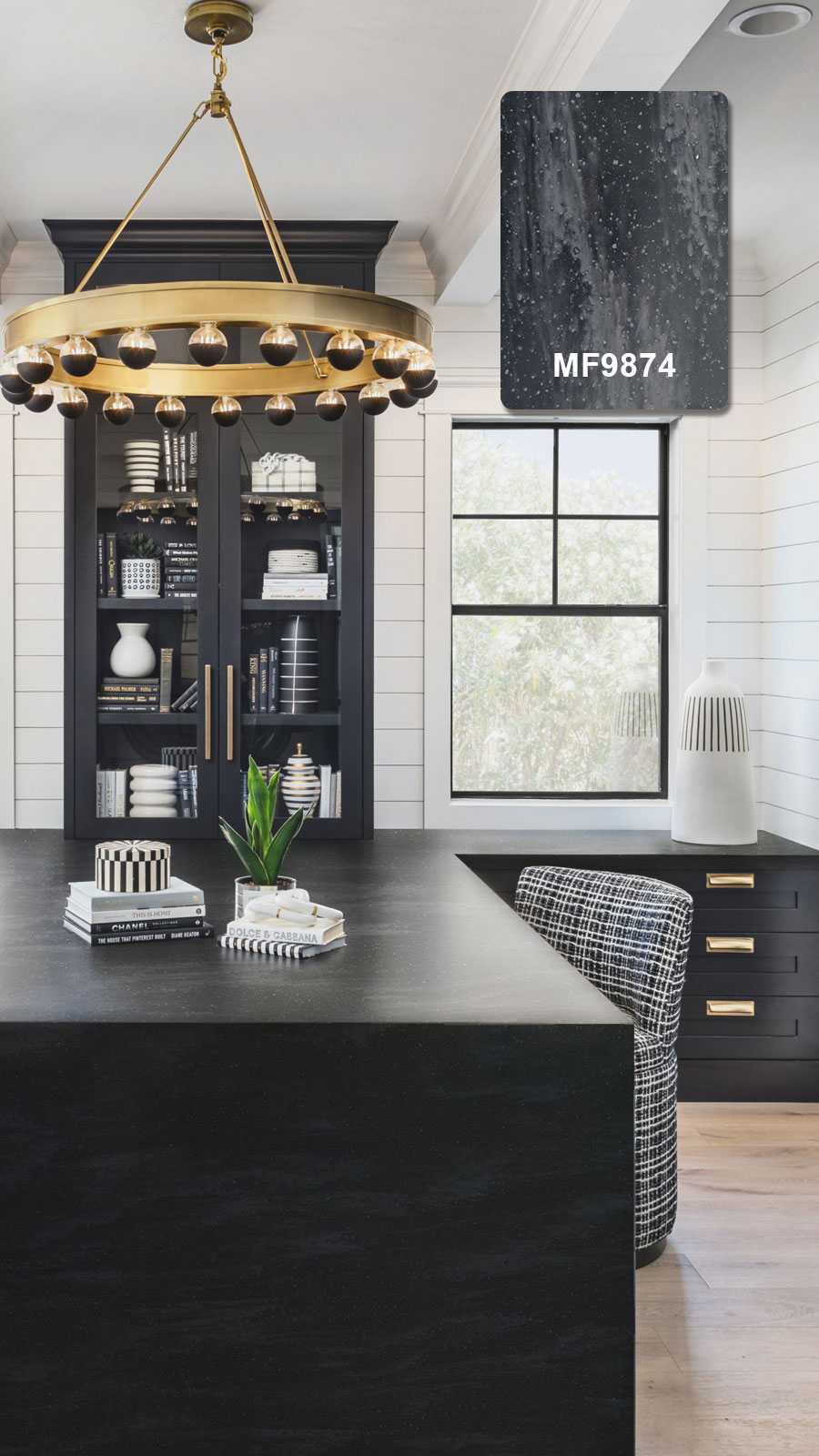
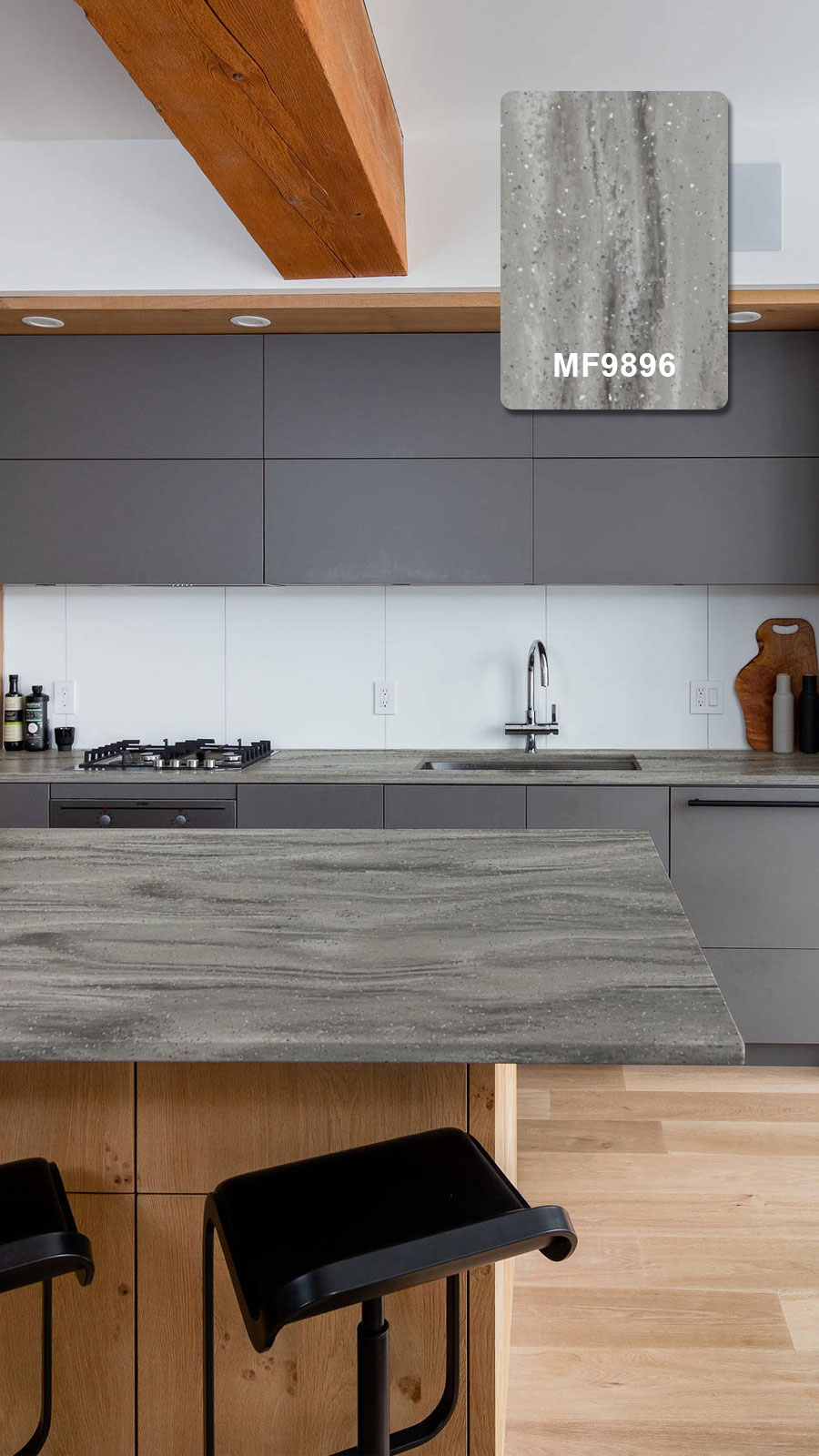
The applications stretch far beyond the kitchen counter. Surface Solution® supplies material for home, retail, furniture, bathroom, restaurant, showroom, and hospital environments.
Countertops, integrated sinks, and bathroom vanities are the most familiar uses. Seamless basins bonded directly into the countertop eliminate the dirt-trapping rim found on drop-in sinks.
Hospitals and clinics rely on non-porous surfaces for nurse stations, reception counters, and patient room fixtures. The same hygienic qualities make the material a favorite for restaurant tabletops that face constant cleaning.
Because the material can be cut, shaped, and thermoformed, manufacturers offer one-stop custom services. Letu runs three independent workshops covering sheets, bathtubs, washbasins, countertops, shower trays, and restaurant table tops—designed to spec for each client.
Sourcing decisions come down to quality verification, customization capacity, and supplier reliability. China remains a leading global production hub, and buyers evaluating acrylic solid surface china suppliers should weigh a few factors carefully.
Look for these signals of a trustworthy manufacturer:
Certifications. Reputable producers hold standards like CE, NSF, and ISO9001. Surface Solution® products meet all three.
Track record. Two decades of production experience signals stability and consistent quality control.
Color and design range. A wide catalog—Letu offers over 300 options—means more flexibility for your project.
Custom capability. A supplier with in-house design and fabrication teams can handle complex, project-specific orders.
Material safety. Silica-free and zero-silica formulations are worth prioritizing for healthier indoor environments.
Choose a manufacturer with strong certifications and custom fabrication if your project involves unusual shapes or large volumes. For straightforward countertop replacements, a supplier with a deep color catalog and reliable lead times will serve you better.
The strongest argument for acrylic solid surface is its balance of form and function. It delivers the seamless look designers want and the hygiene that facility managers require, all while staying repairable over decades of use.
If you're planning a kitchen, bathroom, or commercial renovation, start by listing your priorities—hygiene, design flexibility, budget, and maintenance. Then match those against verified suppliers who can show certifications and a portfolio of completed work. A short conversation with a manufacturer's design team can turn a vague concept into a precise, buildable plan.
Ready to explore options? Reach out to a certified solid surface manufacturer for color samples, custom quotes, and design guidance tailored to your space.
Pricing varies by color, thickness, sheet size, and customization. It typically sits between laminate and quartz on the cost scale. For an accurate figure, request a quote from a manufacturer based on your exact specifications and project volume.
Each excels in different areas. Acrylic solid surface offers invisible seams, repairability, and thermoforming for curved designs. Quartz resists scratches and heat slightly better. Choose acrylic solid surface if seamless integration and repairability matter most; choose quartz for maximum surface hardness.
Yes. Because the material is homogeneous throughout, minor scratches, burns, and stains can be sanded out and the surface restored to its original finish—something porous stone cannot offer.
It is. The non-porous structure prevents bacteria and mold from penetrating the surface, which is why hospitals, clinics, and restaurants specify it. Silica-free formulations further reduce health risks linked to traditional stone fabrication.
With proper care, these surfaces can last 15 to 20 years or more. Their repairability extends that lifespan significantly, since damage can be fixed rather than requiring full replacement.


