
- All
- Product Name
- Product Keyword
- Product Model
- Product Summary
- Product Description
- Multi Field Search
English
Views: 0 Author: Site Editor Publish Time: 2026-05-27 Origin: Site


Quick answer:
When selecting a new sink, prioritize non-porous materials like acrylic solid surface to prevent mold and resist daily stains. Match the mounting style to your specific space constraints, and ensure the fixture aligns with both your hygiene routines and your home’s design aesthetic.
Upgrading your bathroom requires making dozens of impactful decisions, but few choices influence your daily routine quite like selecting the right sink. You use this space constantly, from quickly washing your face in the morning to preparing for a restful night of sleep. Because this fixture endures heavy daily use, finding the perfect balance between visual appeal and practical durability is essential for a successful renovation.
Many homeowners struggle to navigate the overwhelming variety of shapes, sizes, and materials available on the market. Traditional ceramic and stone options have dominated the industry for decades, but modern engineering has introduced superior alternatives. These advanced materials offer unmatched design flexibility, allowing manufacturers to create seamless, visually stunning fixtures that elevate the entire room.
If you want a modern, hygienic, and highly durable solution, you need to understand exactly what makes a high-quality hand wash basin stand out. This guide will walk you through the core benefits of engineered materials, compare different installation styles, and provide actionable advice to help you make an informed purchase.
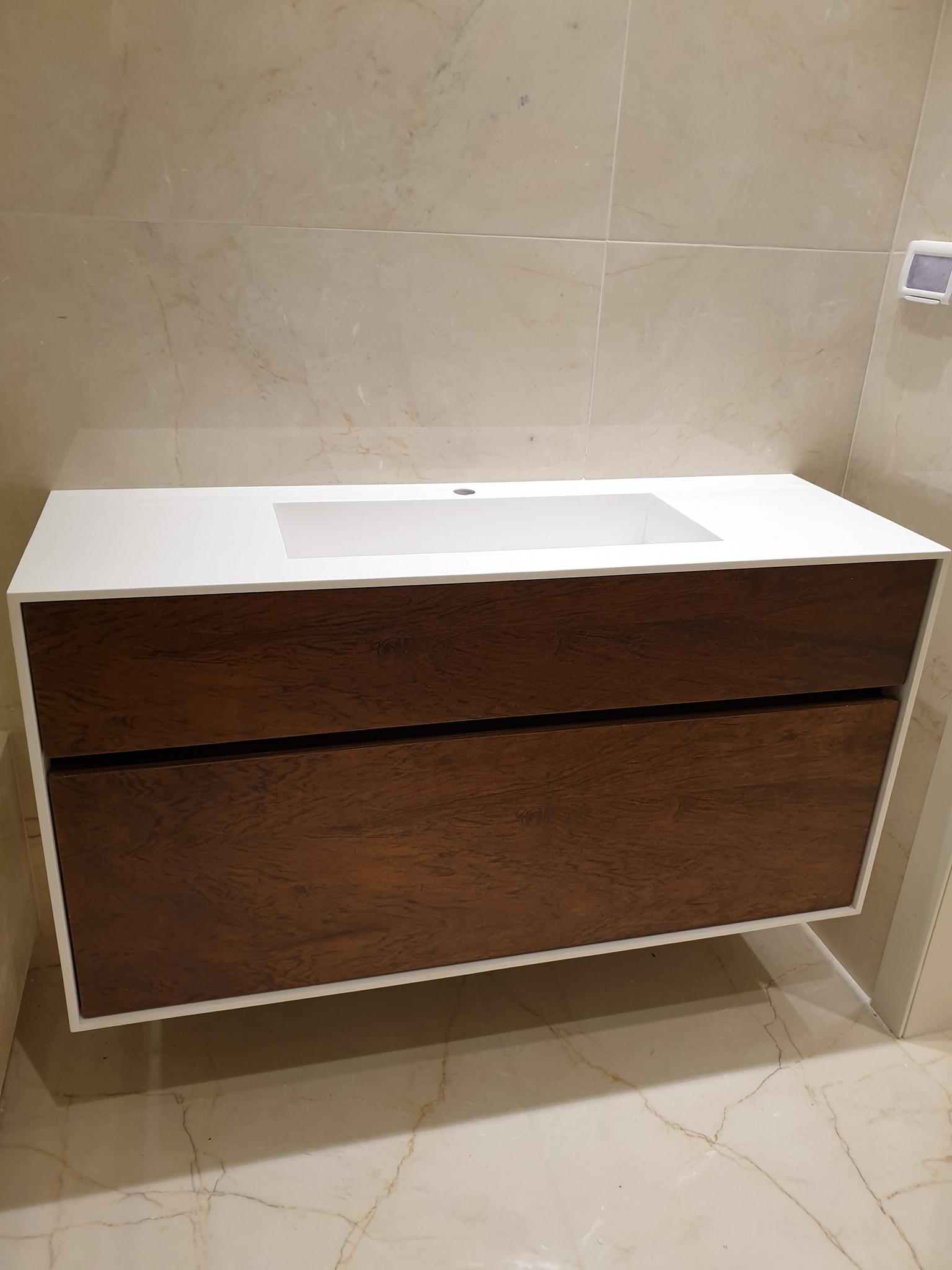
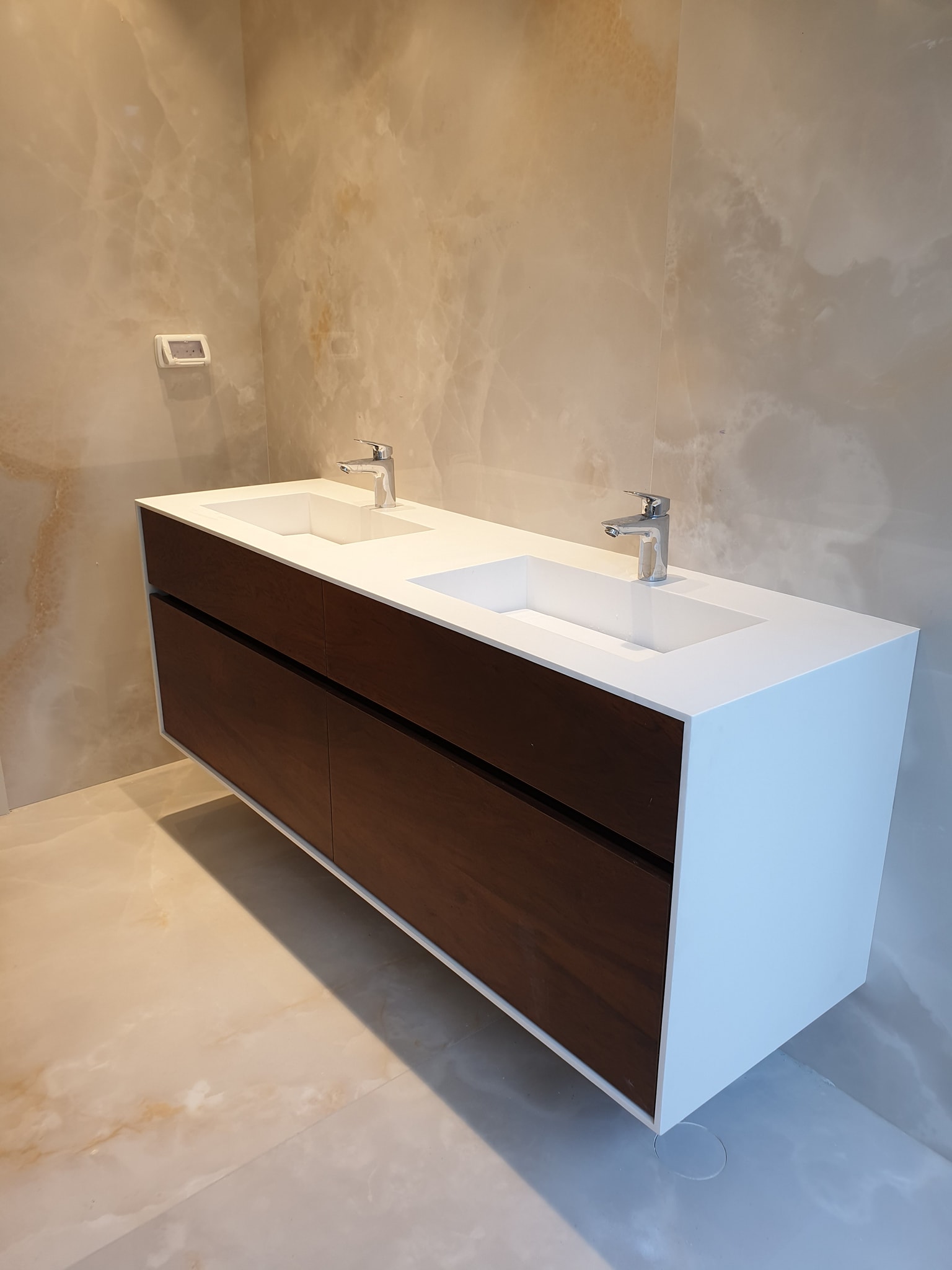
Acrylic solid surface is a premium engineered material composed of acrylic resins and natural minerals. Manufacturers like Shenzhen Letu Industrial Co., Ltd utilize this blend to create fixtures that are completely non-porous. Because the material lacks microscopic pores, water and bacteria cannot penetrate the surface. This structural advantage effectively prevents mold growth and makes the fixture incredibly easy to sanitize.
Durability is another major factor driving the popularity of acrylic solid surface fixtures. Unlike traditional ceramics that can chip or shatter upon impact, engineered solid surfaces absorb shock effectively. If a heavy bottle drops and scratches the finish, you can easily repair the damage with fine-grit sandpaper and a simple polishing pad. According to industry standards, well-maintained acrylic solid surface products can easily last over 20 years without losing their structural integrity or vibrant color.
Design flexibility sets this material apart from natural stone. Because acrylic solid surface can be thermoformed, designers can mold it into virtually any shape. This allows for seamless transitions between the sink bowl and the surrounding countertop, eliminating dirt-trapping crevices. Whether you prefer a sleek wall hung basin for a minimalist apartment or a sprawling double-vanity for a master bathroom, engineered acrylic delivers flawless results.
Choosing the right mounting configuration depends entirely on your available square footage and storage needs. Review the comparison table below to understand the key differences between the most common installation types.
Sink Configuration | Best Suited For | Key Advantage | Primary Limitation |
Wall-Mounted Sink | Small apartments and powder rooms | Maximizes visible floor space and creates a minimalist aesthetic | Offers zero hidden storage for toiletries or cleaning supplies |
Standalone Column Sink | Traditional or vintage-inspired spaces | Conceals unsightly plumbing pipes efficiently | Lacks surrounding counter space for daily grooming essentials |
Countertop Vessel Sink | Modern, high-end master bathrooms | Acts as a striking visual focal point | Requires precise faucet height alignment to prevent splashing |
Undermount Sink | Family bathrooms requiring high hygiene | Allows water to be swept directly into the drain seamlessly | Requires a waterproof countertop material like engineered stone |

Before finalizing your purchase, evaluate the structural requirements of your chosen design. Wall-mounted fixtures require reinforced backing behind the drywall to support the heavy weight of the material and the water it holds. If you are replacing a standard vanity with a floating design, you may need to hire a contractor to open the wall and install proper wooden blocking.
Plumbing placement also dictates your options. If your water supply lines emerge from the floor rather than the wall, installing a classic pedestal basin might be the most cost-effective way to hide the exposed pipes without undertaking major plumbing relocations. Always measure your existing rough-in plumbing heights before ordering a new fixture to avoid expensive installation surprises.
Finally, consider your daily maintenance habits. Dark-colored sinks look incredibly sophisticated in showroom lighting, but they show toothpaste splatters and hard water stains much faster than matte white finishes. If you prefer a low-maintenance cleaning routine, opt for a matte white acrylic solid surface. A simple wipe down with mild soapy water is all it takes to keep a matte white engineered surface looking pristine.
Selecting the right bathroom fixtures is an investment in your home's functionality and overall value. By prioritizing durable, hygienic materials like acrylic solid surface, you ensure that your bathroom remains a clean, welcoming environment for decades to come.
Take the time to measure your space carefully, evaluate your storage needs, and consult with a certified plumber regarding your current pipe configuration. Once you have those functional details documented, you can confidently explore the extensive catalogs of trusted manufacturers to find a design that perfectly captures your unique style.
The total cost typically ranges from $200 to $800, depending heavily on the complexity of the installation and local labor rates. Simple drop-in replacements cost significantly less than installing floating fixtures, which often require wall reinforcement and plumbing modifications.
Yes. One of the greatest advantages of acrylic solid surface is its renewability. You can easily buff out minor surface scratches using an abrasive scouring pad or fine-grit sandpaper, restoring the fixture to its original factory finish in minutes.
Choose a matte finish if hiding water spots and minor scratches matters more to you than high shine. Matte finishes offer a contemporary look and require less frequent wiping to maintain a clean appearance, making them ideal for high-traffic family bathrooms.
A standard bathroom fixture replacement takes roughly two to four hours for a licensed plumber to complete. However, if you are changing the mounting style and require drywall repairs, expect the project to span at least two to three days.


