
- All
- Product Name
- Product Keyword
- Product Model
- Product Summary
- Product Description
- Multi Field Search
English
Views: 0 Author: Site Editor Publish Time: 2026-05-22 Origin: Site


Quick answer: Upgrading your bathroom with a modern fixture provides a seamless, non-porous, and hygienic environment. To select the best option, evaluate the material's durability, maintenance needs, and design flexibility, ensuring it aligns perfectly with both your daily functionality and desired aesthetic footprint.
Bathroom renovations require a multitude of strategic decisions, and the materials you select will dictate the longevity and hygiene of the space. Homeowners often struggle with traditional materials that degrade, stain, or foster mold growth over time due to high moisture levels. Solving these issues requires moving away from outdated manufacturing methods and embracing modern engineered materials.
Over the past decade, interior designers have increasingly favored acrylic composite materials for high-traffic wet zones. A high-quality solid surface wash basin offers a transformative solution, blending seamless aesthetics with unmatched durability. Because the material is non-porous, it naturally resists water penetration and bacteria buildup.
This guide explores the technical advantages of acrylic composite fixtures, how they compare to traditional alternatives, and the exact criteria you should use to make your selection. By understanding the underlying manufacturing standards and daily maintenance requirements, you can confidently invest in fixtures that will elevate your space for decades.
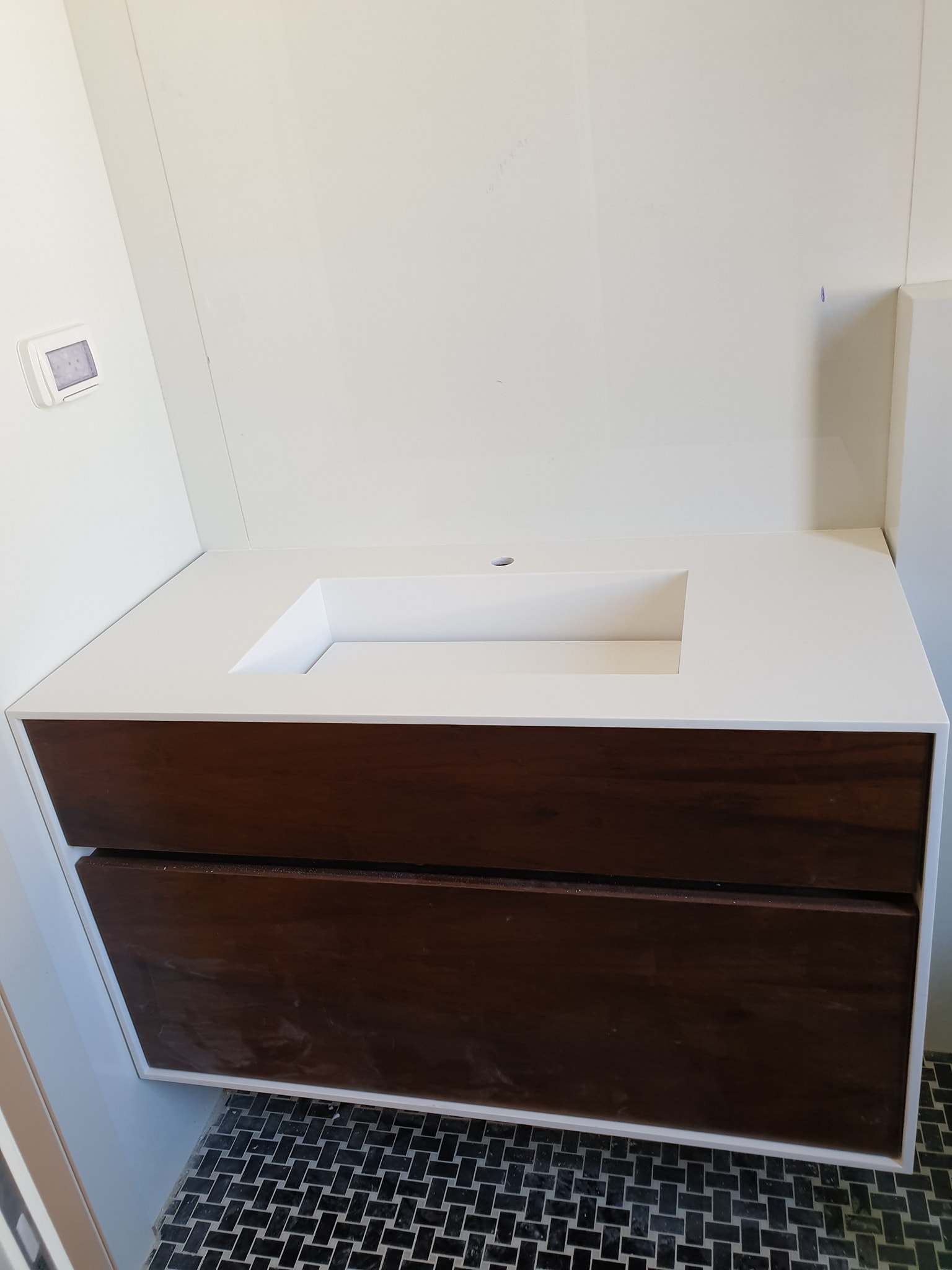

Engineered stone and acrylic composites represent a significant leap in manufacturing technology. Manufacturers like Shenzhen Letu Industrial Co., Ltd utilize advanced processes to create materials that are both visually striking and structurally resilient. With over 20 years of industry experience, top-tier manufacturers ensure their products meet rigorous global standards, often carrying CE, NSF, and ISO9001 certifications.
Traditional materials like natural stone and unglazed ceramics feature microscopic pores. These tiny crevices trap dirt, soap scum, and moisture, creating a breeding ground for bacteria and mold. Acrylic composites eliminate this risk entirely. The uniform, non-porous structure means spills and splashes remain on the exterior, allowing for effortless cleaning with mild soap and water. Choose a zero-silica acrylic option if maintaining exceptional indoor air quality and environmental safety matters more to your household than utilizing conventional stone mixtures.
Understanding the distinct differences between available materials helps clarify why modern composites frequently outperform legacy options. The table below highlights the practical performance metrics of three popular bathroom materials.
Feature / Material | Acrylic Composite | Traditional Ceramic | Natural Marble |
Porosity | Zero (Non-porous) | Low (if glazed) | High (Requires sealing) |
Durability | High impact resistance | Prone to chipping | Prone to cracking |
Stain Resistance | Excellent | Good | Poor (Easily stained) |
Repairability | Scratches easily buffed out | Cannot be repaired | Difficult to repair |
Seam Visibility | Invisible seams | Visible caulking | Visible joints |
Maximizing the utility of your bathroom often involves expanding your usable surface area. Integrating your primary washing fixture with a continuous solid surface benchtop creates a highly functional and visually expansive environment. This seamless integration eliminates the grime-catching gaps typically found between drop-in sinks and standard vanity tops.
When planning your vanity layout, prioritize continuous materials if streamlining your cleaning routine is a top concern. The seamless transition from counter to bowl means water can be swept directly into the drain without catching on silicone edges or raised lips. Furthermore, these surfaces can be custom-fabricated to fit awkward alcoves or specific dimensional requirements, providing total design flexibility.


As you expand your renovation beyond the vanity, the bathing zone presents another opportunity to utilize high-performance materials. Integrating a standalone solid surface bathtub creates a striking focal point while delivering exceptional thermal retention.
Unlike cast iron, which is incredibly heavy, or standard acrylic, which can feel flimsy and lose heat quickly, dense composite materials strike the perfect balance. They maintain water temperature significantly longer, extending your relaxation time. When selecting a large fixture, verify the weight-bearing capacity of your floor joists, as these dense composite structures are heavier than basic fiberglass alternatives. Choose a matte finish if minimizing visible water spots and fingerprints matters more than achieving a high-gloss reflection.
Transforming a functional washroom into a personal sanctuary requires materials that perform flawlessly under daily stress. Engineered acrylic composites deliver on this promise by offering customizable, hygienic, and incredibly durable solutions. By carefully evaluating your spatial requirements, preferred finish, and long-term maintenance preferences, you can select fixtures that provide enduring value and sophisticated style.
Take the time to consult with specialized manufacturers to explore custom sizing and color options. Prioritizing quality certifications and proven manufacturing expertise will ensure your investment stands the test of time.
Prices vary widely based on size, customization, and brand. Standard composite sinks generally start around $200, while custom-fabricated vanity tops and large freestanding tubs can range from $1,500 to over $4,000. While the initial investment is higher than basic porcelain, the long-term durability and lack of replacement costs make it a highly cost-effective choice.
Daily cleaning requires only warm water, a soft cloth, and a mild, non-abrasive detergent. Avoid harsh chemicals like window cleaners or strong acids. For minor scratches or stubborn stains, you can use a mildly abrasive pad (like a Scotch-Brite pad) to gently buff the area, as the color and pattern run consistently through the entire thickness of the material.
Many modern composite manufacturers prioritize sustainable practices. Companies are increasingly offering zero-silica options, which protect factory workers from respiratory hazards during fabrication. Additionally, the extreme longevity and repairability of the material mean fewer fixtures end up in landfills compared to fragile ceramic or fiberglass alternatives.
Yes. One of the primary advantages of this material is its renewability. Because it is homogenous (the same material throughout), minor cuts, scratches, and even scorch marks can be sanded and buffed away by a professional or a knowledgeable homeowner, restoring the fixture to its original factory condition.


