
- All
- Product Name
- Product Keyword
- Product Model
- Product Summary
- Product Description
- Multi Field Search
English
Views: 0 Author: Site Editor Publish Time: 2026-11-20 Origin: Site


Renovation budgets disappear fast, and countertops are usually where the real decisions get made. Pick the wrong material and you're staring at stains, chips, or a dated look within a few years. Pick the right one, and your kitchen or bathroom keeps earning compliments long after the paint has dried.
That's why so many homeowners, designers, and commercial buyers are turning toward solid surface countertops instead of the usual granite-or-laminate debate. It's not the flashiest option on the showroom floor, but it quietly outperforms its competitors in the categories that matter most: durability, hygiene, and long-term value.
At Surface Solution®, a brand of Shenzhen Letu Industrial Co., Ltd., we've spent more than two decades manufacturing solid surface sheets, basins, and custom fabrications for homes and commercial spaces around the world. This guide looks at countertop selection from a different angle—not just what the material is made of, but how to actually choose the right one for your space, your budget, and your lifestyle.
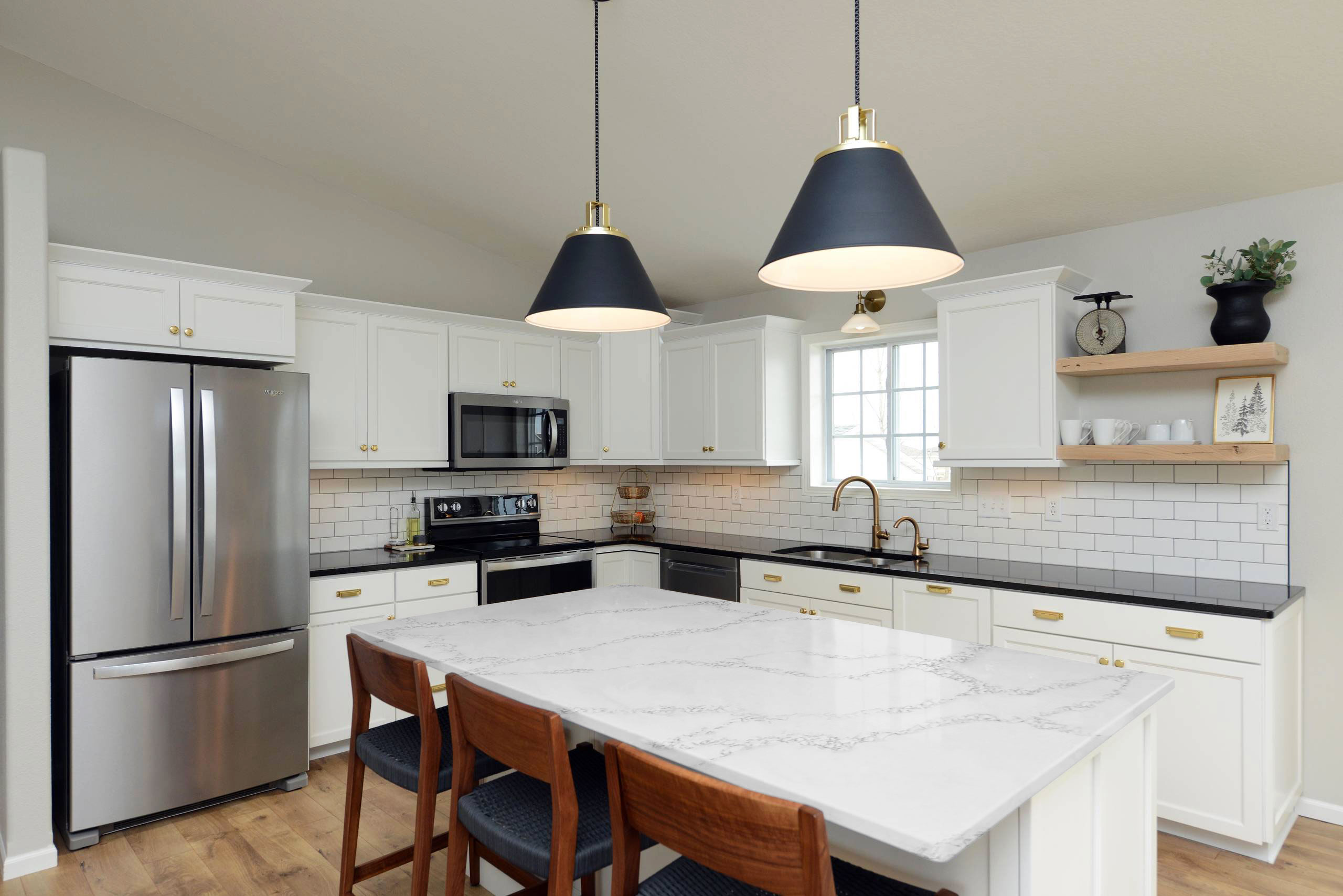
Before comparing materials side by side, think about how the countertop will be used day to day. A busy family kitchen with kids, pets, and constant meal prep has very different needs than a low-traffic guest bathroom or a hospital reception desk.
Ask yourself:
How often will the surface come into contact with acidic foods, wine, or oil?
Does the space need to meet hygiene standards, like a restaurant kitchen or healthcare facility?
Do you want a seamless, custom-fabricated look, or are visible seams acceptable?
What's your tolerance for ongoing maintenance, like sealing or polishing?
Once you've answered these questions, it becomes much easier to see why so many renovators land on a counter solid surface instead of natural stone or budget laminate.
Composition matters because it directly determines how a surface performs under daily wear. Here's how solid surface stacks up against the other common choices on the market.
Material | Porosity | Repairable | Seamless Joints | Design Flexibility |
|---|---|---|---|---|
Solid Surface | Non-porous | Yes | Yes | High |
Granite | Porous | Limited | No | Low |
Laminate | Semi-porous | No | No | Medium |
Quartz | Non-porous | Limited | No | Medium |
Granite offers natural beauty, but its porous structure means it needs regular sealing to resist stains. Laminate is budget-friendly upfront, but it can't be repaired once it chips or delaminates. Quartz is durable and non-porous, yet it still shows visible seams and offers less flexibility for custom shapes.
Solid surface is the only material on this list that checks every box: non-porous, repairable, seamless, and highly flexible for custom design work. That combination is exactly why solid surface countertops have become a go-to choice for kitchens, bathroom vanities, and commercial installations alike.
Not every solid surface product is built the same way. Manufacturers typically use acrylic resin, polyester resin, or a blend of the two, and the choice affects how the finished product behaves for years down the road.
A solid acrylic surface tends to handle temperature swings more gracefully, resists yellowing, and holds up better to UV exposure. It's also more workable during fabrication, which means cleaner thermoformed curves, tighter seams, and more creative design options for countertops, vanities, and custom basins.
Polyester-based surfaces are often less expensive, but they can be more brittle and prone to cracking under stress. For projects where longevity and design freedom matter more than shaving a few dollars off the upfront cost, a solid acrylic surface is typically the stronger long-term investment.
Beyond the spec sheet, solid surface earns its reputation through everyday performance. Because the material is non-porous, spills from coffee, wine, or cooking oil sit on top of the surface instead of soaking in, so a quick wipe-down usually takes care of it.
There are no grout lines or hidden seams for bacteria to collect in, which is one reason solid surface shows up so often in hospitals, restaurants, and other hygiene-sensitive environments. And when something does go wrong—a scorch mark, a deep scratch, a dull patch—a quality counter solid surface can usually be sanded and buffed back to its original finish instead of replaced outright.
That repairability is a quiet but significant cost-saver. A granite or quartz countertop with a chip or crack often needs a full slab replacement. Solid surface rarely does.
Understanding the material is half the equation. Finding a manufacturer who can deliver consistent quality at scale is the other half.
Surface Solution® operates certified facilities meeting CE, NSF, and ISO9001 standards, so every sheet, basin, or custom fabrication leaving our factory meets strict international benchmarks. Over the past two decades, we've developed more than 300 acrylic solid surface colors, patterns, and natural textures, giving designers and homeowners the flexibility to match nearly any vision.
We also function as a one-stop manufacturer, handling design, production, and customized processing under one roof. Whether you're sourcing a single kitchen countertop or specifying solid surface countertops for a hotel chain or hospital renovation, our team works directly with you to get the specifications, color, and fabrication details right the first time.
Choosing a countertop material comes down to matching performance to how the space will actually be used. If hygiene, repairability, and seamless design matter most, solid surface outperforms granite, laminate, and quartz on nearly every front. If long-term durability and design flexibility are the priority, a solid acrylic surface is typically the better pick over polyester blends.
Ready to specify the right material for your next project? Reach out to Surface Solution® for a free quote and see how our customized solid surface products can elevate your kitchen, bathroom, or commercial space.
Is solid surface a good choice for commercial kitchens or healthcare settings?
Yes. Its non-porous, seamless construction leaves no crevices for bacteria to collect in, which is why solid surface is widely used in hospitals, restaurants, and labs.
How does solid surface compare to quartz in terms of cost?
Solid surface is often more affordable than quartz once you factor in easier maintenance and the ability to repair damage instead of replacing the whole surface.
Can solid surface be custom-fabricated into unique shapes?
Yes. Acrylic-based solid surface is especially workable during fabrication, allowing for curved edges, seamless joints, and thermoformed custom designs.
How long should a solid surface countertop last?
With normal care, solid surface countertops typically last 15 to 20 years or more, thanks to their non-porous makeup and repairability.


