
- All
- Product Name
- Product Keyword
- Product Model
- Product Summary
- Product Description
- Multi Field Search
English
Views: 0 Author: Site Editor Publish Time: 2026-10-22 Origin: Site


Renovating a bathroom often comes down to one decision that shapes everything else: which basin to install. The shape catches the eye first, but the material underneath determines whether that basin still looks sharp in five years or shows cracks, stains, and dullness within months. For homeowners, designers, and contractors sorting through options, understanding what separates a durable basin from a disappointing one matters more than matching a trend.
A well-chosen countertop basin does more than hold water. It sets the tone for the entire room, influences how easy daily cleaning will be, and determines how the fixture ages under constant exposure to moisture, soap, and temperature swings. Basin material choice isn't a minor detail tucked into a renovation checklist — it's one of the decisions that determines whether the finished bathroom holds up to real life.
This article breaks down what makes certain basin materials outperform others, compares the most common options side by side, and explains why solid surface has become a preferred choice for bathrooms that need to look good and last.
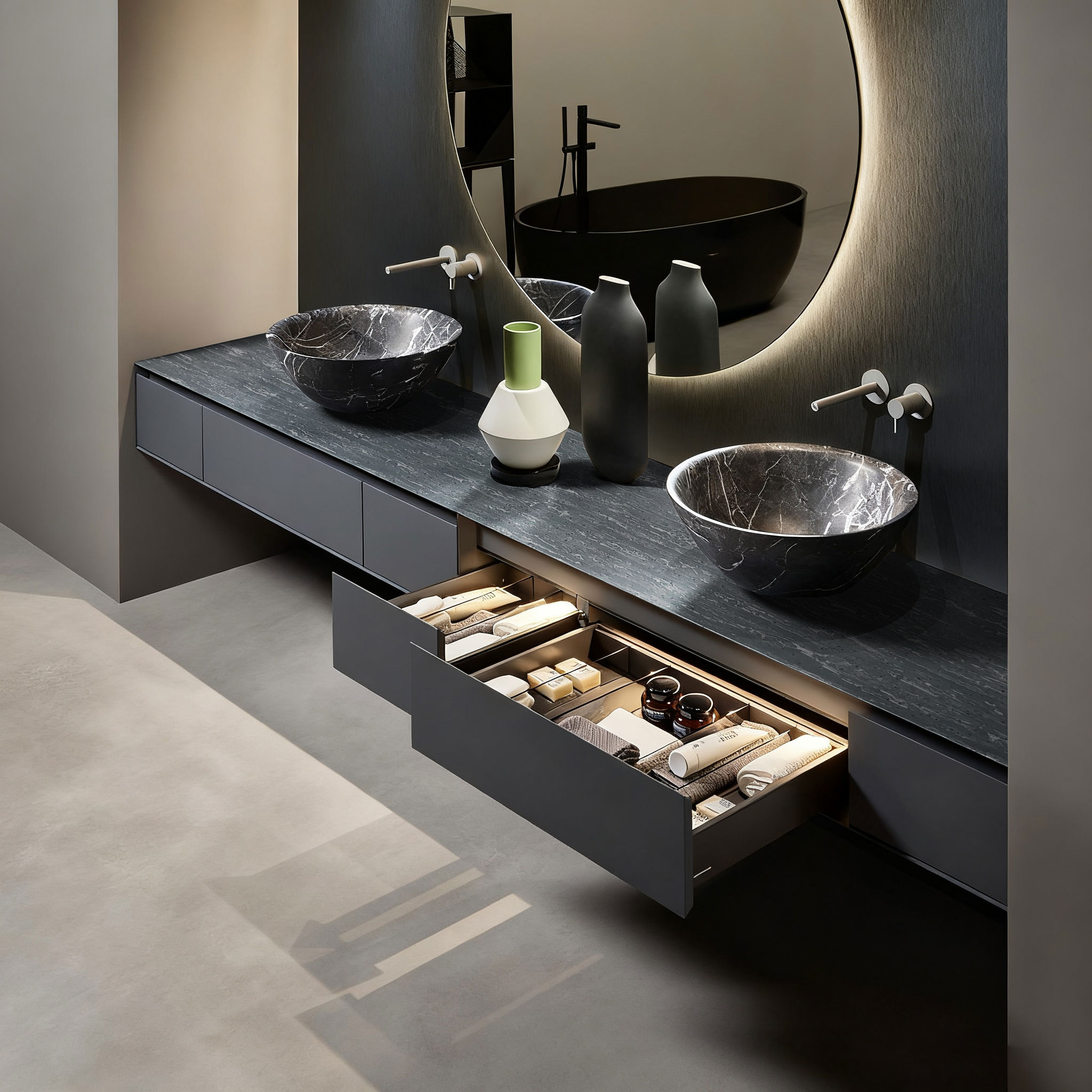
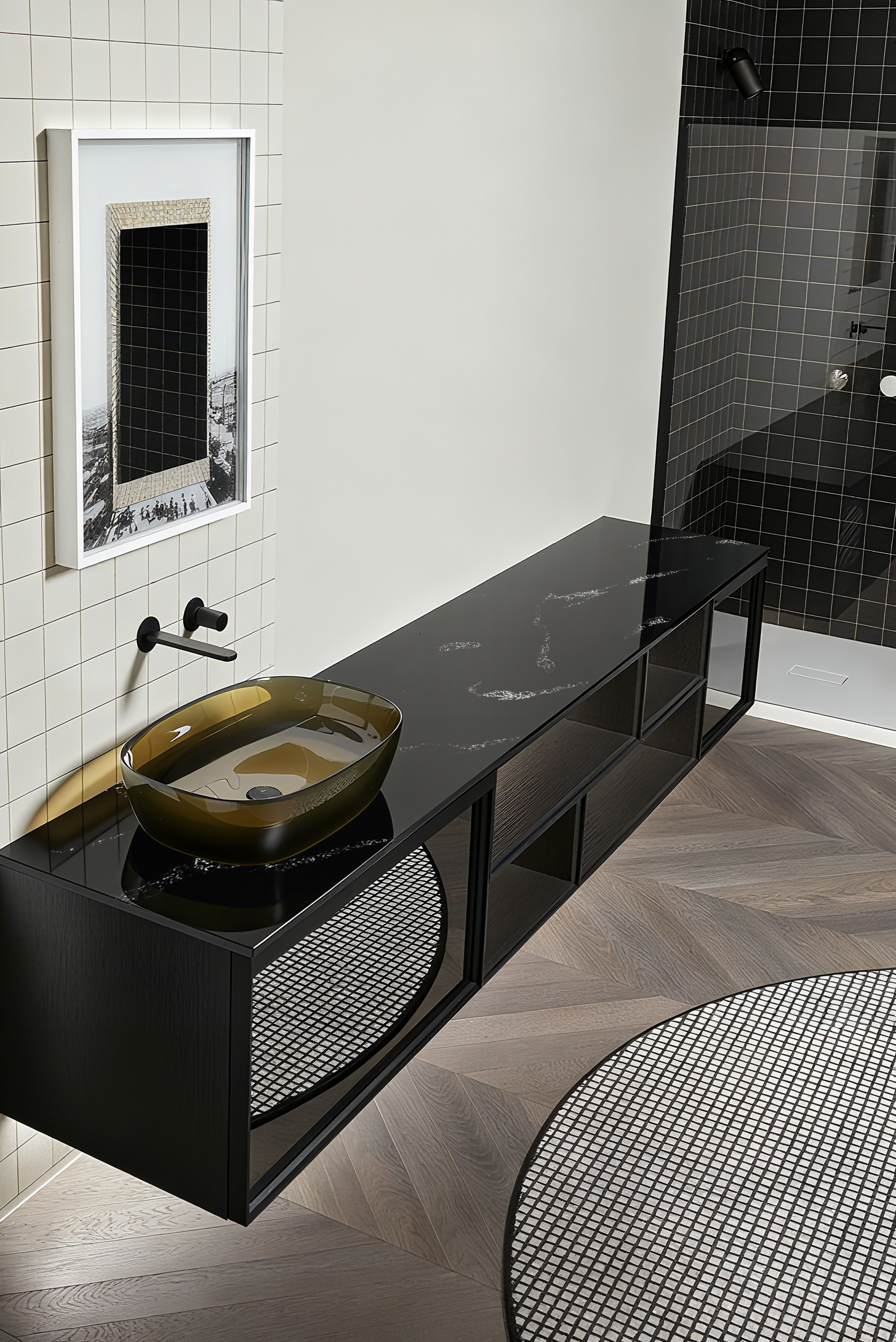
A basin faces a tougher daily routine than most other surfaces in the home. Water sits in it, toothpaste and soap residue coat it, and hands scrub it with varying degrees of care. Over years, that routine exposes weaknesses in cheaper materials: hairline cracks, dulled finishes, and stains that never fully lift.
Three factors separate basins that age well from ones that don't:
Non-porous composition. Porous materials absorb moisture and bacteria over time, which leads to discoloration and odor. Non-porous surfaces resist this entirely.
Seamless fabrication. Basins manufactured without visible seams have fewer places for grime to collect, which simplifies cleaning and reduces the risk of water damage at joints.
Repairable surfaces. Scratches and minor damage happen. Materials that can be sanded or buffed back to a like-new finish save homeowners from costly full replacements.
A solid surface wash basin checks all three boxes, which explains why it has become a go-to recommendation for renovation projects that prioritize longevity over the lowest upfront price.
Before settling on a material, it helps to see the options laid out side by side. The table below compares the basin materials most commonly specified in residential and commercial bathroom projects.
Material | Durability | Maintenance | Repairability | Typical Use Case |
|---|---|---|---|---|
Solid Surface (Acrylic-Based) | High — resists chips and stains | Low — wipes clean, no sealing needed | Excellent — sandable to remove scratches | Bathrooms, vanities, commercial fixtures |
Ceramic / Vitreous China | Moderate — prone to chipping | Moderate — requires careful cleaning agents | Poor — chips are permanent | Standard residential bathrooms |
Natural Stone | High — but porous without sealing | High — needs regular sealing | Difficult — professional repair required | High-end, design-forward spaces |
Stainless Steel | High — resists cracking | Low — but shows water spots | Moderate — scratches are visible | Commercial and utility spaces |
Solid surface consistently ranks well across durability, maintenance, and repairability, which is part of why it has gained ground against traditional ceramic and stone basins over the past two decades.
Acrylic resin forms the backbone of most modern solid surface materials, and it's responsible for much of the performance edge over ceramic or stone. Acrylic resin cures into a dense, non-porous structure that resists staining from coffee, wine, or hard water deposits — the kind of everyday exposure that leaves permanent marks on more porous materials.
An acrylic wash basin also offers a practical advantage that few other materials can match: if the surface develops a scratch or dull patch, light sanding restores the original finish. Ceramic and stone don't offer that same second chance. Once chipped or stained, those materials typically require full replacement rather than simple refinishing.
Color consistency is another factor worth considering. Because the pigment runs through the entire thickness of an acrylic solid surface sheet rather than sitting on top as a glaze, surface wear doesn't expose a different-colored substrate underneath. The basin keeps its appearance even after years of scrubbing.
Material choice should match the specific demands of the space. A guest bathroom that sees occasional use has different requirements than a primary bathroom used daily by a family, or a commercial restroom cleaned multiple times a day by staff using industrial products.
Choose solid surface or acrylic-based basins if moisture resistance, low maintenance, and repairability matter more than achieving a natural stone look. Choose natural stone if visual authenticity is the top priority and a sealing routine is manageable. Choose ceramic if budget constraints outweigh long-term durability concerns.
Project scale matters too. Large commercial installations — hotels, restaurants, hospitals — benefit from the consistency of manufactured solid surface, since every basin in a production run matches in color and finish. Custom residential projects often lean on the same material for its ability to be shaped into integrated countertop-and-basin combinations without visible seams.
Not all solid surface products perform the same way, even when the material category looks identical on paper. Resin quality, curing process, and pigment consistency all affect how a basin holds up over years of use. This is where working with an established manufacturer pays off.
Surface Solution®, produced by Shenzhen Letu Industrial Co., Ltd, has spent more than twenty years manufacturing acrylic solid surface sheets, basins, and bathroom fixtures certified to CE, NSF, and ISO9001 standards. The company's production lines turn out more than 300 colors, patterns, and textures, giving designers and contractors the flexibility to match a basin to a specific project rather than settling for generic stock options. That combination of certified quality and design range is part of why Surface Solution® has built a reputation among renovation professionals sourcing solid surface materials at scale.
Choosing a basin material isn't just about appearance on installation day. It's a decision that plays out over years of daily use, cleaning routines, and the inevitable wear that comes with a high-traffic fixture. Solid surface and acrylic-based options consistently outperform ceramic and untreated stone on durability, maintenance, and repairability — three factors that matter far more five years into ownership than they do in a showroom.
Homeowners, designers, and contractors evaluating basin options for an upcoming project should weigh how the space will actually be used, then match material performance to those demands rather than choosing based on initial cost alone. A basin selected with long-term performance in mind pays off every time it's cleaned, scrubbed, or simply admired.
What makes solid surface basins different from ceramic basins?
Solid surface basins are non-porous and can be sanded to remove scratches or stains, while ceramic basins are prone to permanent chipping and can't be refinished once damaged.
Are acrylic-based basins suitable for high-traffic commercial bathrooms?
Yes. Their resistance to staining, low maintenance needs, and manufacturing consistency make them a common choice for hotels, restaurants, and other high-traffic commercial spaces.
Does solid surface require sealing like natural stone?
No. Solid surface is non-porous by nature, so it doesn't need the regular sealing that natural stone requires to resist moisture and staining.


