
- All
- Product Name
- Product Keyword
- Product Model
- Product Summary
- Product Description
- Multi Field Search
English
Views: 0 Author: Site Editor Publish Time: 2026-08-05 Origin: Site


TL;DR:
Solid surface countertops are non-porous, engineered surfaces made primarily from acrylic or polyester resin blended with natural mineral fillers. They come in three main types—acrylic-based, polyester-based, and blended—each suited to different budgets, aesthetics, and applications. Surface Solution® manufactures all three across a wide range of colors and custom formats.
Choosing a countertop is one of those decisions that looks simple on the surface—until you're standing in a showroom surrounded by samples, finishes, and price tags. Natural stone demands sealing. Laminate chips. Quartz is heavy and expensive to fabricate. Solid surface, by contrast, sits in a category of its own: repairable, seamless, hygienic, and endlessly customizable.
But not all solid surface products perform the same. The type of resin used in manufacturing determines durability, appearance, and long-term value. This guide breaks down the key solid surface countertops types, explains what each one is made of, and helps you identify which option fits your space, budget, and use case.
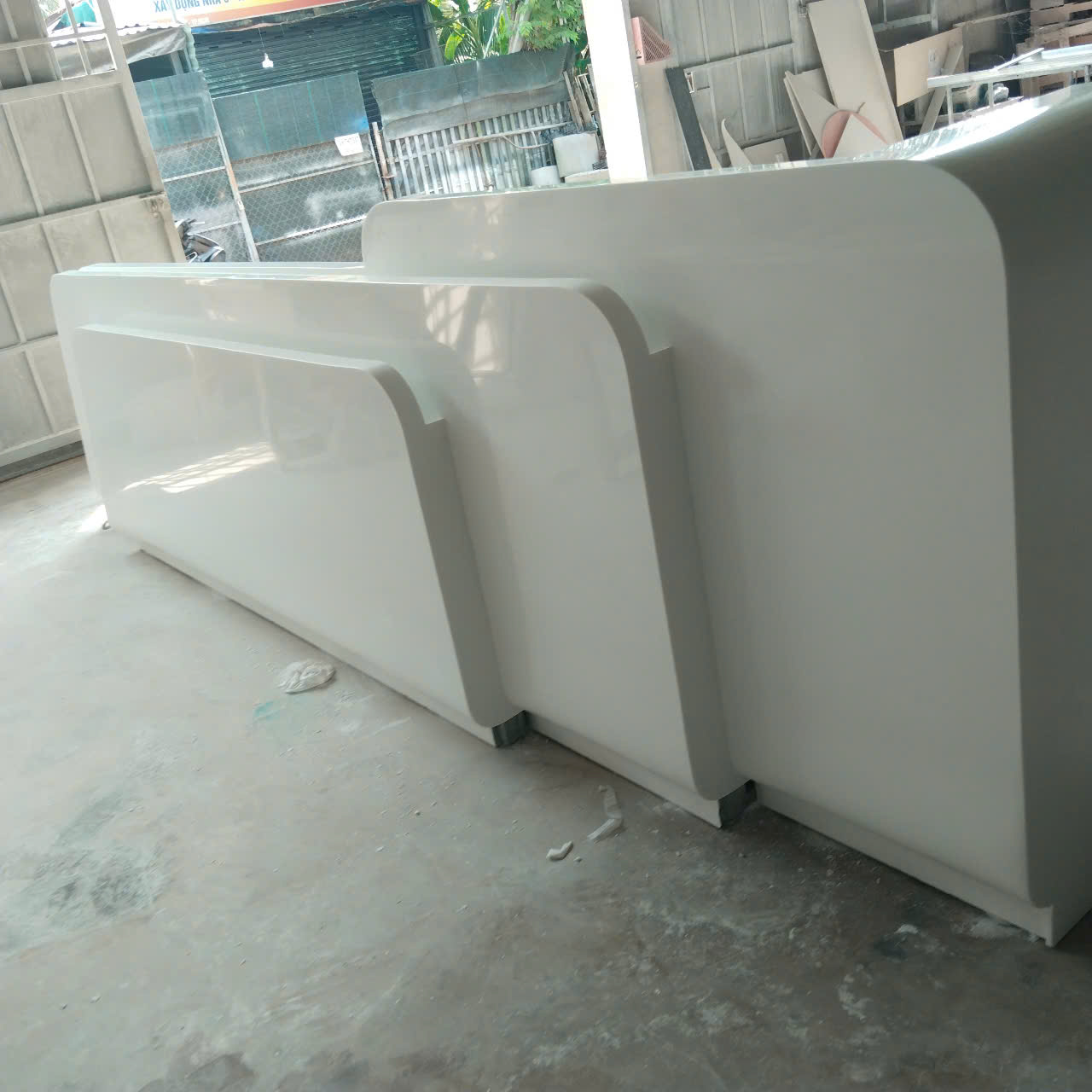
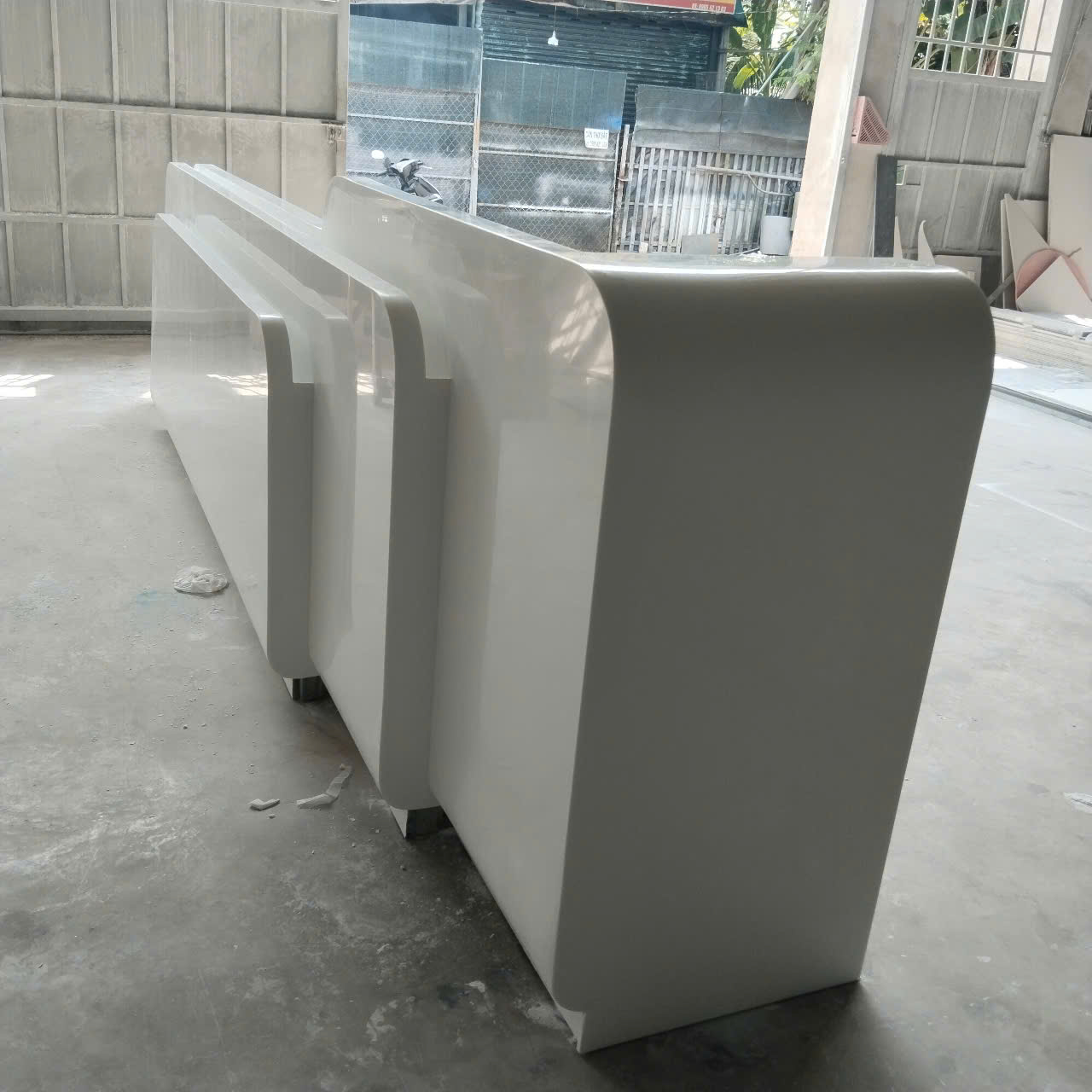
Most countertop materials have a surface layer and a substrate beneath it. Laminate uses a printed film bonded to particleboard. Natural stone is solid but porous. Solid surface, however, is a through-body material—the color and composition run all the way through. Scratch it, and a professional can sand it back to new.
That repairability sets solid surface apart. So does its non-porous structure, which prevents bacteria, mold, and moisture from penetrating the surface. These properties make it particularly popular in kitchens, bathrooms, hospitals, and commercial food-service environments where hygiene is non-negotiable.
Surface Solution®, manufactured by Shenzhen Letu Industrial Co., Ltd., has been producing high-quality solid surface materials for over 20 years. The brand holds CE, NSF, and ISO9001 certifications, and currently offers more than 300 colors and patterns across its product range.
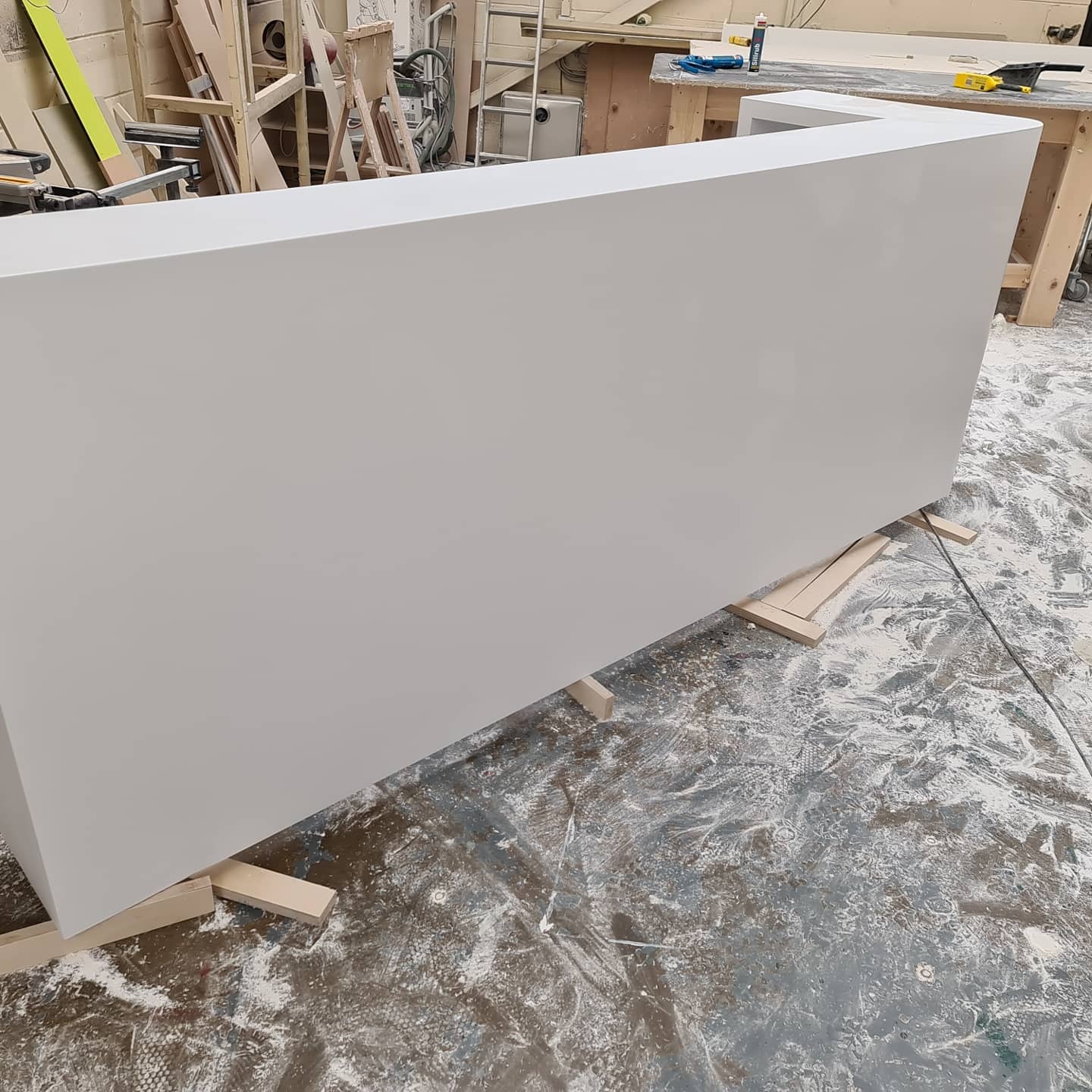
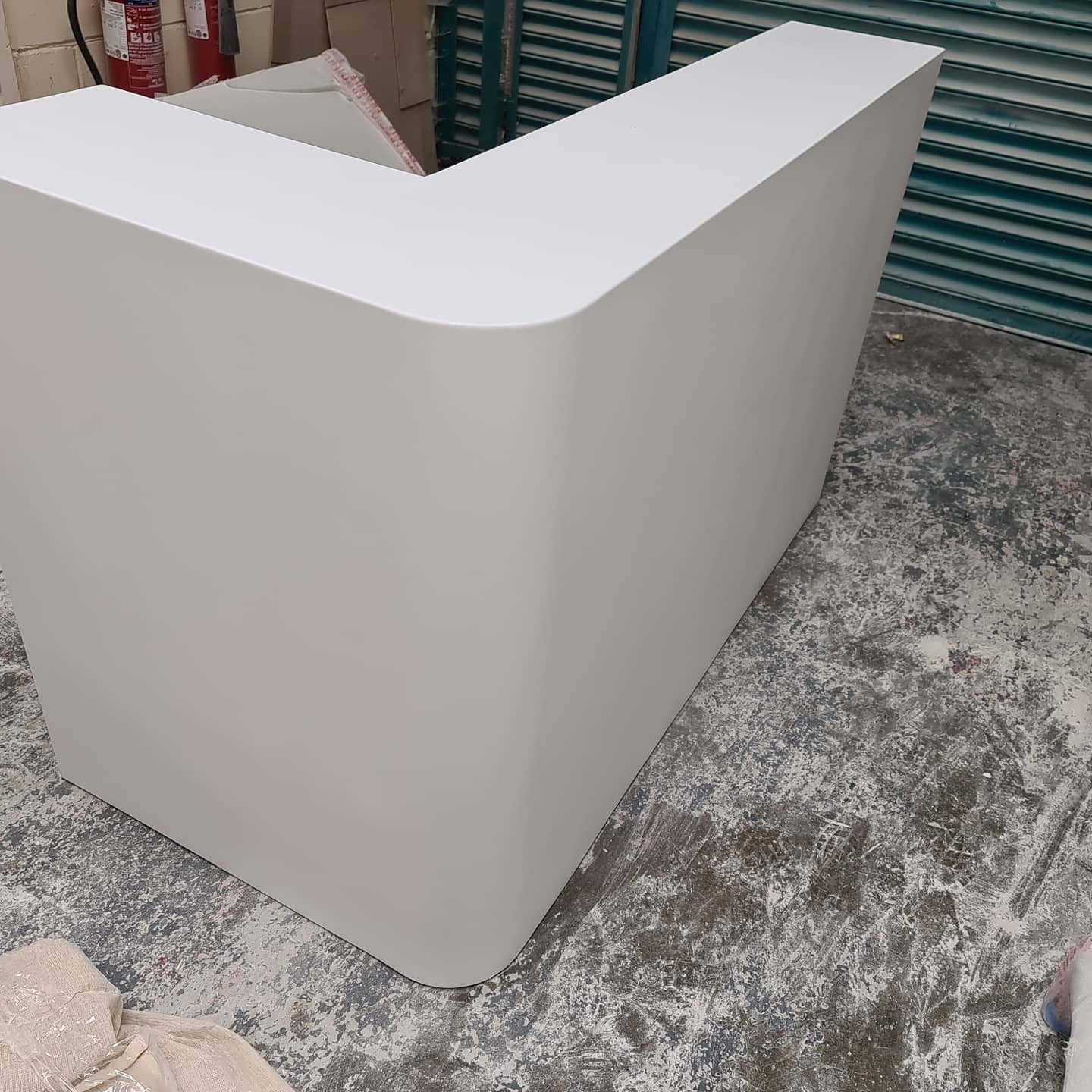
The short answer: resin and mineral fillers. The longer answer shapes everything from how a slab looks to how it performs under daily use.
Understanding what are solid surface countertops made of starts with the two primary binders:
Acrylic resin — Derived from methyl methacrylate (MMA), acrylic resin produces a highly flexible, UV-stable, and impact-resistant slab. It bonds seamlessly during fabrication, making invisible joins possible.
Polyester resin — A more cost-effective alternative, polyester resin is stiffer and less UV-stable than acrylic. It works well in indoor, low-light environments but can yellow over time when exposed to direct sunlight.
These resins are combined with aluminum trihydrate (ATH)—a natural mineral filler derived from bauxite—along with pigments and additives. ATH makes up roughly 60–70% of the final product by weight and is what gives solid surface its stone-like density and fire-resistant properties.
The three main categories differ in composition, performance, and price point. Here's a side-by-side comparison:
Type | Primary Resin | UV Stability | Repairability | Relative Cost | Best For |
|---|---|---|---|---|---|
Acrylic-based | Acrylic (MMA) | High | Excellent | Higher | Kitchens, hospitals, high-traffic spaces |
Polyester-based | Polyester | Low–Medium | Good | Lower | Indoor furniture, low-traffic surfaces |
Blended (Acrylic + Polyester) | Mixed | Medium | Very Good | Mid-range | Commercial interiors, bathroom vanities |
Acrylic-based slabs are widely regarded as the premium option. The MMA resin creates a denser, more flexible material that resists impact and handles heat better than polyester alternatives. Joints are nearly invisible because the material bonds chemically during fabrication—a major advantage for large countertop runs or curved installations.
Surface Solution® acrylic sheets are available in matte, gloss, and textured finishes, with over 300 design options spanning solid colors, marble patterns, granite textures, and terrazzo-inspired styles.
Polyester resin offers a lower entry price without sacrificing basic performance in controlled environments. For indoor furniture, retail display counters, or spaces shielded from UV exposure, polyester-based slabs deliver solid results at a more accessible cost.
The trade-off is longevity in outdoor or sunlit settings. Polyester can discolor over time and is slightly more brittle than acrylic, making repairs more visible after sanding.
Blended formulations aim to split the difference—capturing some of acrylic's flexibility and durability while keeping costs closer to polyester. These are common in commercial bathroom vanities, hotel reception desks, and restaurant tabletops, where appearance matters as much as performance.
Surface Solution® blended options are particularly popular among project developers who need consistent, large-volume supply with reliable color matching across batches.
Of the three types, acrylic dominates both residential renovation and commercial specification. The reasons come down to four practical factors: seamless joins, repairability, hygiene, and design range.
For architects and interior designers, solid surface acrylic countertops offer fabrication flexibility that stone simply cannot match. They can be thermoformed into curves, routed into custom sink profiles, and joined invisibly across long spans. This makes them the go-to material for integrated sink-and-countertop designs—a product category Surface Solution® produces as a complete bathroom solution.
For homeowners, the appeal is maintenance. Acrylic solid surface does not require sealing, does not harbor bacteria in micro-cracks, and can be restored to factory condition with fine-grit sandpaper if scratched or stained. That combination of low upkeep and long service life makes the higher initial cost easy to justify.
Surface Solution® operates three independent production workshops in Shenzhen, China, supplying solid surface sheets, integrated basins, kitchen countertops, bathroom vanities, bathtubs, and restaurant tabletops to clients across residential, commercial, and healthcare sectors.
Beyond standard sheet production, the brand provides a full one-stop customization service—handling design, cutting, edge profiling, thermoforming, and finishing according to client specifications. For large-scale commercial projects, this eliminates the need to manage multiple vendors across the supply chain.
Surface Solution® also offers sample requests and free quotes for new inquiries, making it straightforward to evaluate materials before committing to volume.
What is the most durable type of solid surface countertop?
Acrylic-based solid surface is the most durable option. Its MMA resin formula delivers superior impact resistance, UV stability, and repairability compared to polyester-based or blended alternatives. It is the preferred choice for high-traffic environments like commercial kitchens and hospitals.
Can solid surface countertops be repaired if scratched?
Yes. Because solid surface is a through-body material—meaning the color and composition run all the way through—scratches, stains, and minor burns can be sanded out and buffed to restore the original finish. This is one of its most significant advantages over laminate and natural stone.
How do I know if I need acrylic, polyester, or blended solid surface?
Choose acrylic if durability, UV stability, and seamless joining are priorities—particularly for kitchens, bathrooms, or any surface exposed to sunlight. Choose polyester if you are working within a tight budget and the installation is indoors with minimal UV exposure. Choose blended for mid-range commercial applications where appearance and cost balance matters.
Does solid surface require sealing or special maintenance?
No. Unlike granite or marble, solid surface is non-porous and does not require periodic sealing. Routine cleaning with a damp cloth and mild detergent is sufficient for daily maintenance.
Does Surface Solution® offer custom sizes and colors?
Yes. Surface Solution® offers over 300 colors and patterns, along with full customization services covering size, edge profile, finish, and integrated sinks or basins. The brand serves both small residential projects and large commercial orders.
Solid surface countertops reward those who take the time to understand what they are buying. Acrylic performs best across the widest range of applications. Polyester suits tighter budgets in controlled environments. Blended formulas occupy a practical middle ground for commercial interiors.
Surface Solution® supplies all three—backed by more than 20 years of manufacturing experience, ISO9001 certification, and a customization service built to handle projects at any scale. If you are comparing materials for an upcoming project, request a sample or a free quote directly through the Surface Solution® website to see the quality firsthand.


