
- All
- Product Name
- Product Keyword
- Product Model
- Product Summary
- Product Description
- Multi Field Search
English
Views: 0 Author: Site Editor Publish Time: 2026-07-21 Origin: Site


TL;DR:
Solid surfaces for countertops are engineered from acrylic resin and mineral fillers, delivering a non-porous, seamless, and highly repairable surface. They outperform granite, laminate, and quartz in hygiene, design flexibility, and long-term value—making them the preferred choice for both residential and commercial interiors.
Choosing the right countertop material is one of the most consequential decisions in any kitchen or bathroom renovation. Get it right, and you gain a surface that's beautiful, hygienic, and built to last. Get it wrong, and you're looking at cracked grout lines, stubborn stains, and costly replacements within a few years.
That's exactly why so many homeowners, designers, and commercial contractors are making the switch. Solid surfaces for countertops have moved from a niche professional choice to the go-to solution for projects that demand both performance and aesthetics. They're non-porous, easy to repair, and available in hundreds of colors and patterns—capabilities that natural stone and laminate simply can't match.
This guide breaks down what solid surface countertops are, how they compare to other popular materials, and what to look for when selecting the right product for your space.
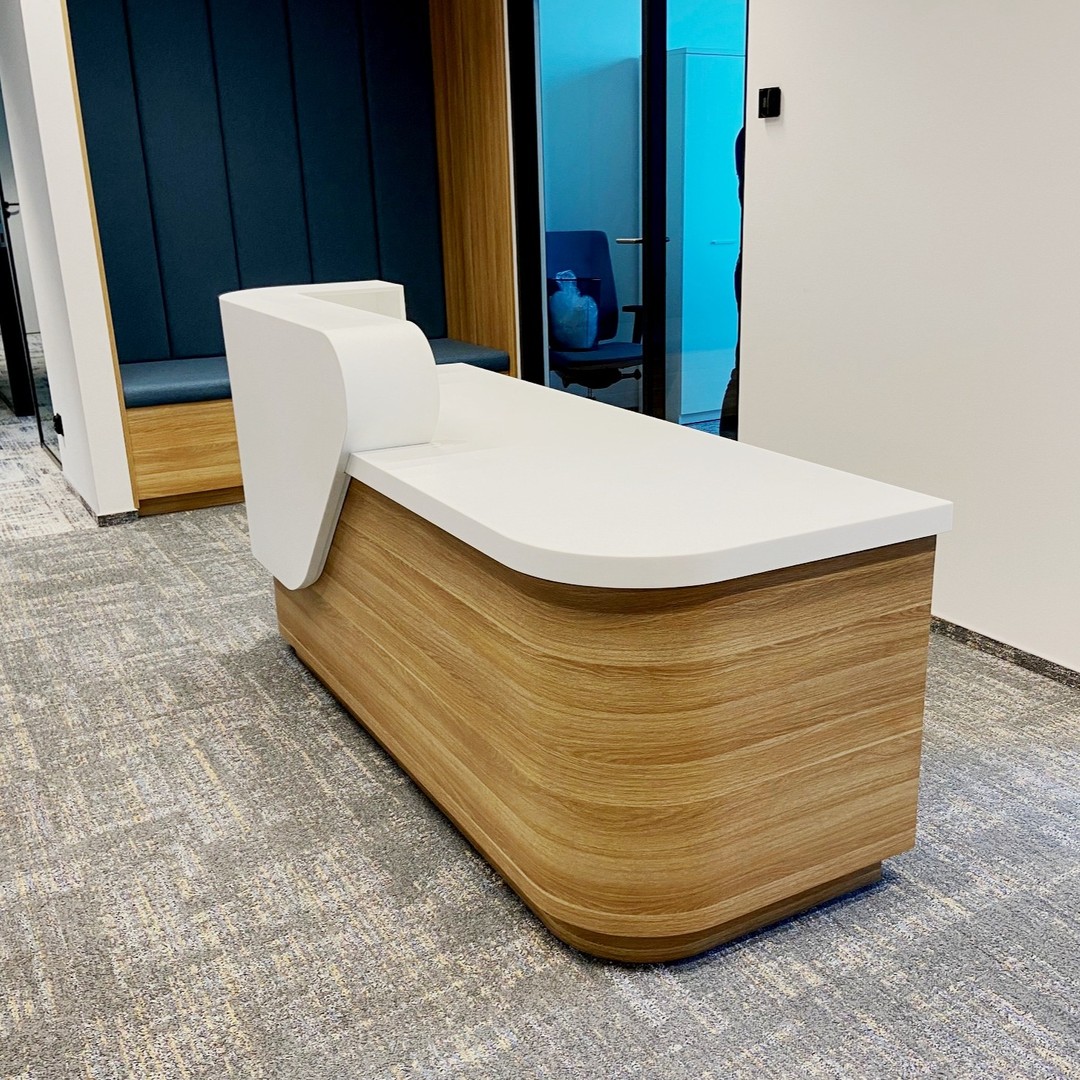
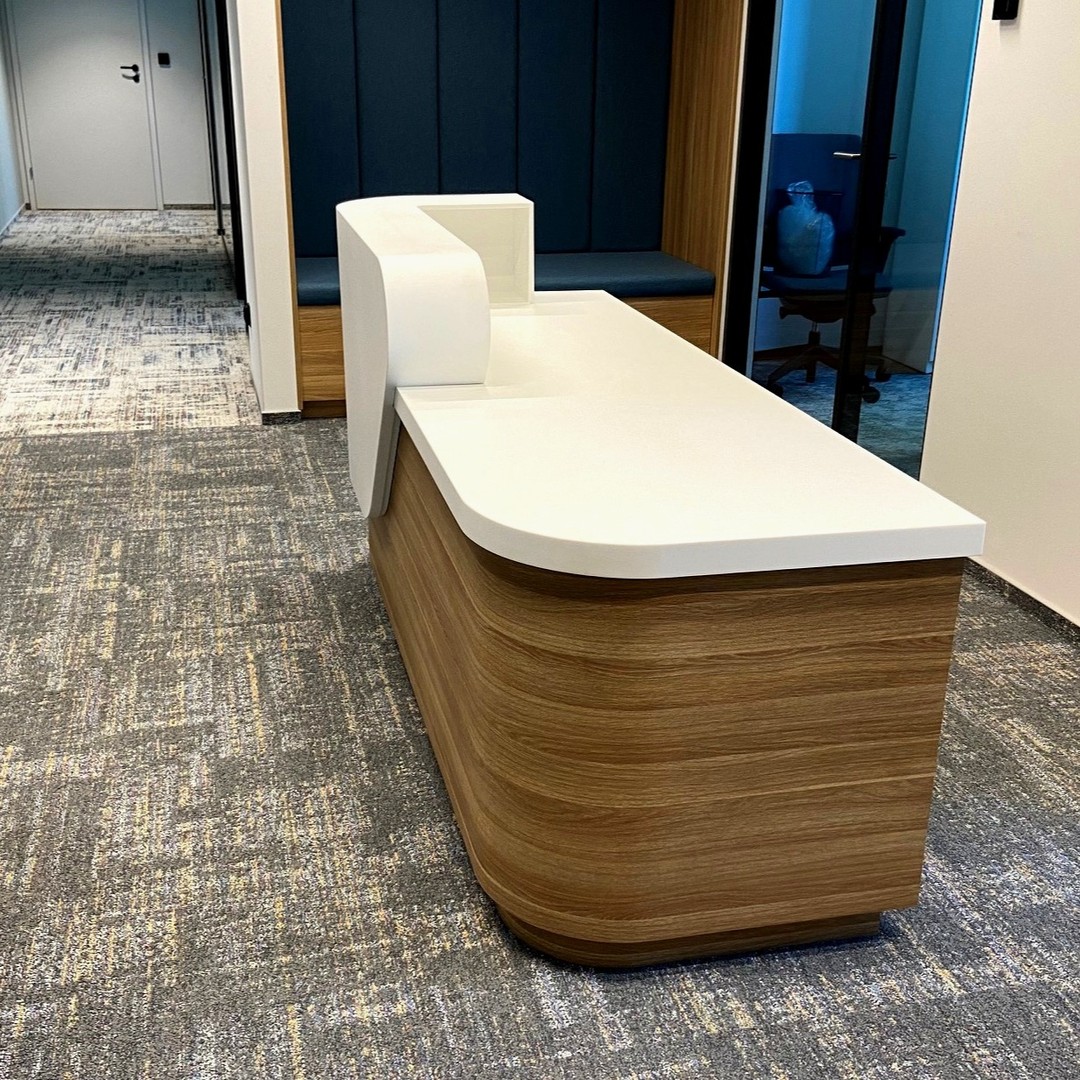
Solid surface is an engineered composite material, typically made from acrylic or polyester resin blended with natural mineral fillers such as aluminum trihydrate. The result is a material that looks and feels like stone but behaves very differently.
Unlike granite or marble, solid surface has no pores. That means liquids, bacteria, and mold have nowhere to hide. Unlike laminate, it can be sanded and refinished if scratched. Unlike quartz, it can be thermoformed—heated and shaped into curves, integrated sinks, and seamless transitions that would be impossible with any other material.
These properties make countertop materials solid surface particularly well-suited for high-traffic areas: commercial kitchens, hospital reception desks, hotel vanities, and residential bathrooms where hygiene and durability are non-negotiable.
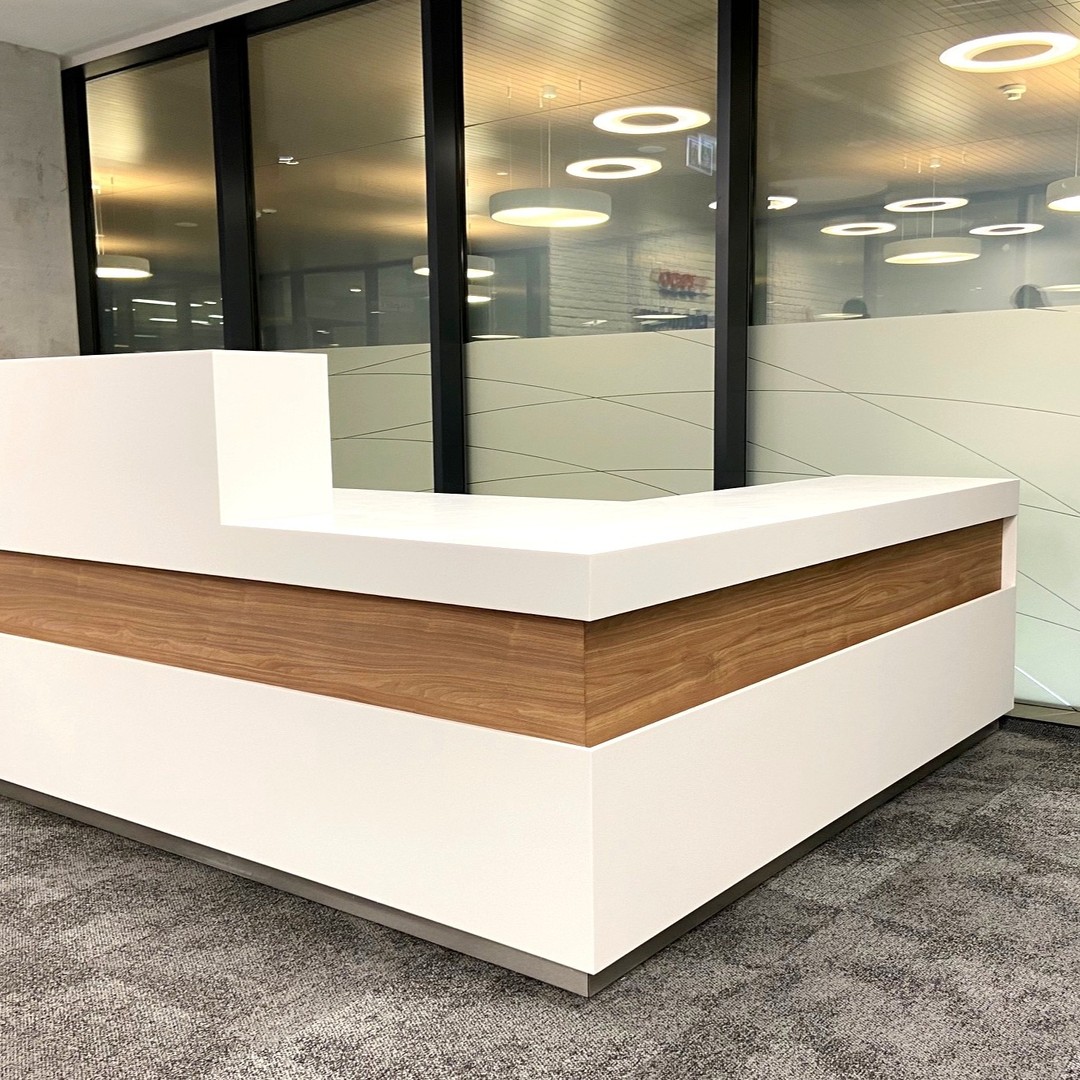
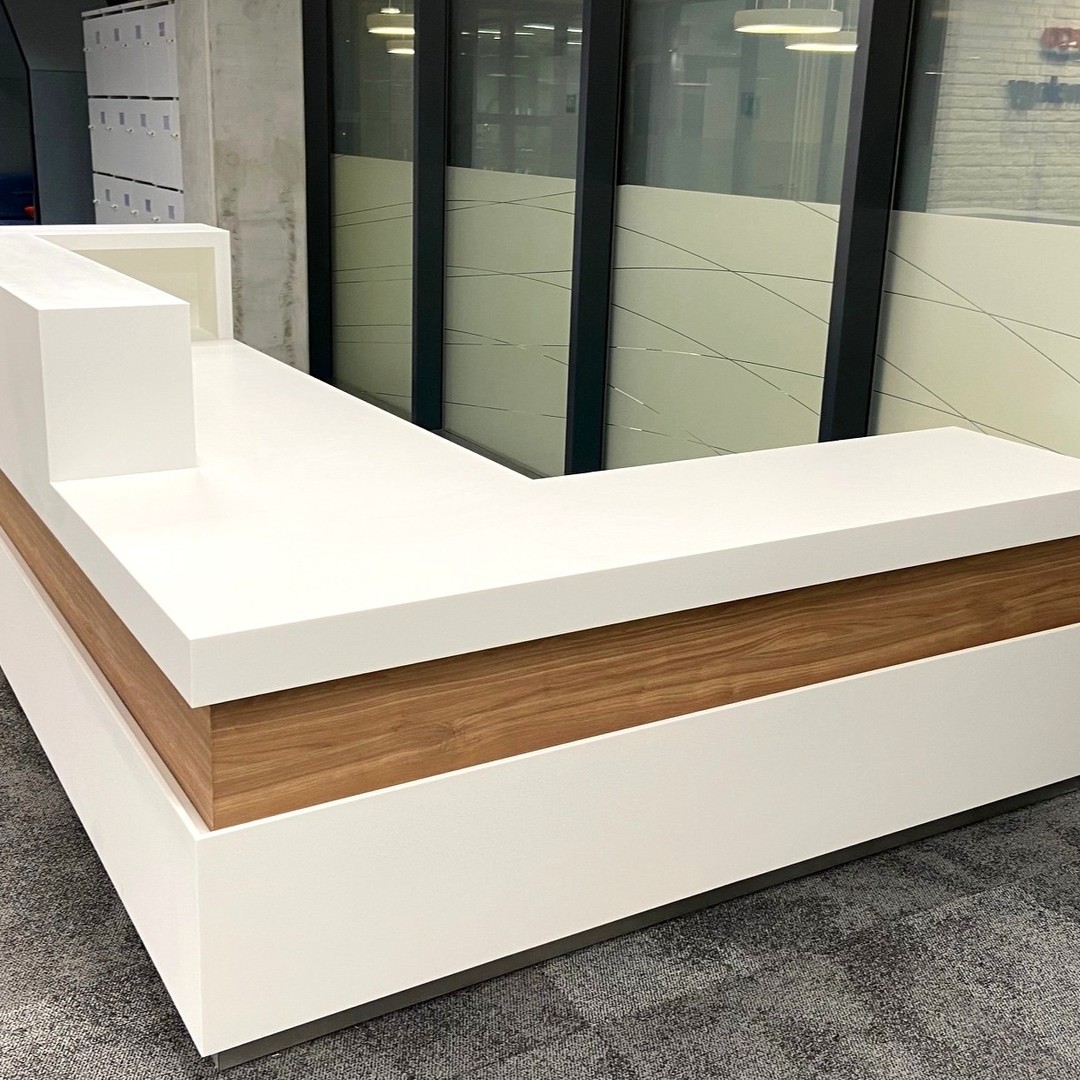
Here's a direct comparison of the most common countertop materials across the criteria that matter most to buyers:
Feature | Solid Surface | Granite | Quartz | Laminate |
|---|---|---|---|---|
Non-porous | ✅ Yes | ❌ No (requires sealing) | ✅ Yes | ✅ Yes |
Repairable | ✅ Yes (sandable) | ❌ No | ❌ No | ❌ No |
Seamless joins | ✅ Yes | ❌ No | ❌ No | ❌ No |
Heat resistance | ⚠️ Moderate | ✅ High | ✅ High | ❌ Low |
Custom shapes | ✅ Yes | ❌ Limited | ❌ Limited | ⚠️ Limited |
Color range | ✅ 300+ options | ❌ Limited | ✅ Wide | ✅ Wide |
Certification | CE, NSF, ISO | Varies | Varies | Varies |
Long-term cost | ✅ Low | ⚠️ Medium-High | ⚠️ Medium-High | ✅ Low upfront |
The table makes one thing clear: solid surface wins on repairability, customization, and hygiene—the three factors that most directly affect long-term satisfaction with a countertop.
Not all solid surface products are created equal. The quality of the resin blend, the mineral filler ratio, and the manufacturing process all affect how a panel looks, performs, and ages.
Surface Solution®, a brand of Shenzhen Letu Industrial Co., Ltd., has specialized in solid surface manufacturing for over 20 years. Their product range—including acrylic solid surface sheets, bathroom countertops, kitchen countertops, and integrated sinks—is certified to CE, NSF, and ISO9001 standards. That's a meaningful distinction in a market where certifications vary widely.
What sets Surface Solution® apart isn't just the product quality. Their catalog includes over 300 colors, patterns, and natural textures, developed in response to real market trends. Whether a project calls for a clean Carrara-style white, a bold terrazzo pattern, or a warm wood-grain finish, the range covers it. Custom fabrication is also available, meaning complex shapes, integrated basins, and curved edges can all be produced to specification.
For buyers who want to explore the full range of solid surface material for countertops options—from acrylic-based to polyester-based to blended compositions—Surface Solution® provides a one-stop solution that covers design consultation, production, and custom processing under one roof.
The right choice depends on three variables: the application, the budget, and the performance requirements.
For residential kitchens, acrylic-based solid surface is the strongest recommendation. It offers the best combination of stain resistance, repairability, and design range. Acrylic-based panels can also be thermoformed, which enables seamless sink integration—a feature that dramatically reduces bacterial buildup at join points.
For commercial spaces—hospitals, hotels, restaurants, retail environments—prioritize NSF-certified products. NSF certification confirms that the material is safe for food contact and meets sanitation standards required in regulated industries.
For bathroom vanities and basins, consider integrated solid surface basins. These eliminate the seam between countertop and sink, making cleaning faster and reducing the risk of mold growth over time.
Budget matters too. Solid surface typically costs more upfront than laminate but significantly less than premium granite or engineered quartz. Factor in the repairability advantage: a scratch on a solid surface panel can be sanded out in minutes, while the same scratch on quartz or granite requires professional repair or full panel replacement.
Solid surface has earned its position as the preferred countertop material for projects that prioritize hygiene, longevity, and design freedom. It outperforms natural stone on repairability, outperforms laminate on durability, and outperforms both on customization potential.
For homeowners renovating a kitchen or bathroom, the decision comes down to one question: do you want a surface you'll replace in 10 years, or one you'll still be proud of in 25? Surface Solution® builds for the latter. With over two decades of manufacturing experience, a certified product range, and custom fabrication services, they're equipped to handle projects of any scale—residential or commercial, simple or complex.
Contact the Surface Solution® team to request a quote or explore the full catalog.
Solid surface countertops are engineered composites made from acrylic or polyester resin blended with natural mineral fillers, most commonly aluminum trihydrate. The blend is cured into sheets that are non-porous, seamless, and available in a wide range of colors and textures.
Both solid surface and quartz are non-porous and resist staining. The key difference is repairability: solid surface can be sanded to remove scratches, while quartz cannot. Solid surface also supports thermoforming, which allows for curved edges and integrated sinks that quartz cannot achieve.
Solid surface has moderate heat resistance—it can tolerate brief contact with warm items but is not designed for direct contact with very hot cookware. Using trivets or hot pads is recommended, as with most countertop materials.
With proper care, solid surface countertops typically last 20 years or more. Because surface scratches can be sanded out and the material refinished, the lifespan often exceeds that of laminate or natural stone, which cannot be repaired the same way.
Yes. Acrylic solid surface products certified to NSF standards are approved for food-contact surfaces. Surface Solution® products carry CE, NSF, and ISO9001 certifications, making them suitable for use in commercial kitchens and regulated food service environments.
Surface Solution® is best suited for buyers who need high-volume orders, custom fabrication, or certified materials for commercial projects. They serve homeowners, interior designers, architects, and commercial contractors, and offer a one-stop service from design through delivery.


