
- All
- Product Name
- Product Keyword
- Product Model
- Product Summary
- Product Description
- Multi Field Search
English
Views: 0 Author: Site Editor Publish Time: 2026-06-25 Origin: Site


Quick answer:
Solid surface countertops are made from a blend of acrylic or polyester resin (around 30–35%) and natural mineral fillers like aluminum trihydrate (around 65–70%), plus pigments for color. This mix creates a non-porous, seamless surface that resists stains and bacteria—ideal for kitchens, bathrooms, and commercial spaces.
If you have ever run your hand across a smooth, jointless countertop and wondered what gives it that consistent, stone-like feel, you are looking at solid surface material. It has become a favorite among architects, builders, and homeowners who want durability without the maintenance headaches of natural stone.
This blog breaks down exactly what goes into these surfaces, how the ingredients work together, and why the composition matters for your project. You will also see how the materials affect performance, cost, and design flexibility—plus where to source quality products that meet international standards.
By the end, you will understand the science behind the surface and feel confident choosing the right material for your home or business.
At its core, solid surface is a composite. That means it combines two or more materials to create something stronger and more versatile than either one alone. The recipe is surprisingly simple, but the balance of ingredients determines the final quality.
Curious about what is solid surface made of? The answer comes down to resin and mineral fillers working in harmony.
Here is the basic breakdown:
Component | Typical Percentage | Role in the Material |
|---|---|---|
Acrylic or polyester resin | 30–35% | Binds everything together, adds flexibility and shine |
Aluminum trihydrate (ATH) | 65–70% | Provides hardness, weight, and fire resistance |
Pigments and colorants | 1–5% | Create color, patterns, and natural stone textures |
The resin acts like glue, holding the minerals in place while giving the sheet its workable, slightly warm feel. The mineral filler—usually aluminum trihydrate derived from bauxite ore—delivers the strength and density you expect from a quality countertop.
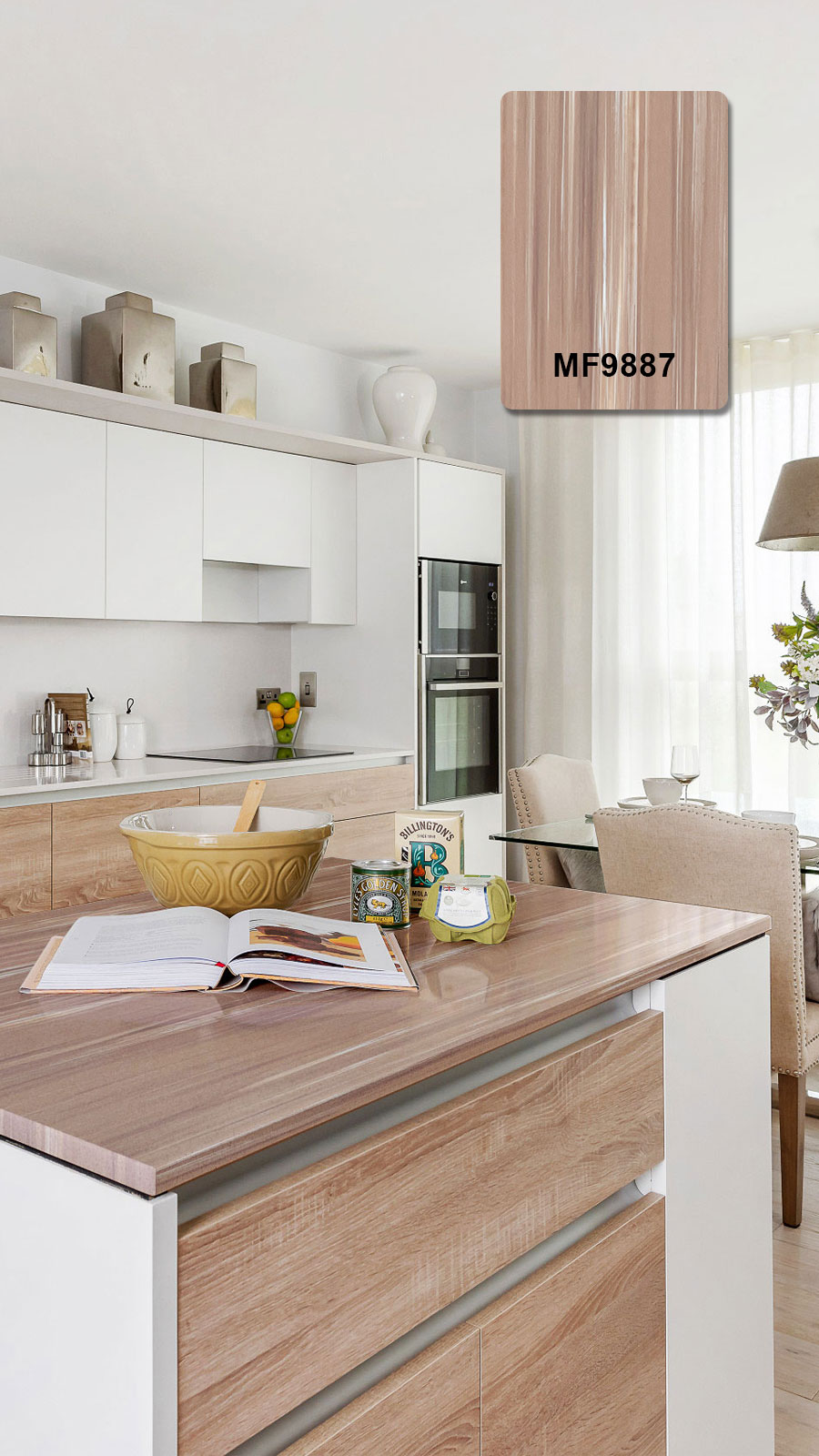
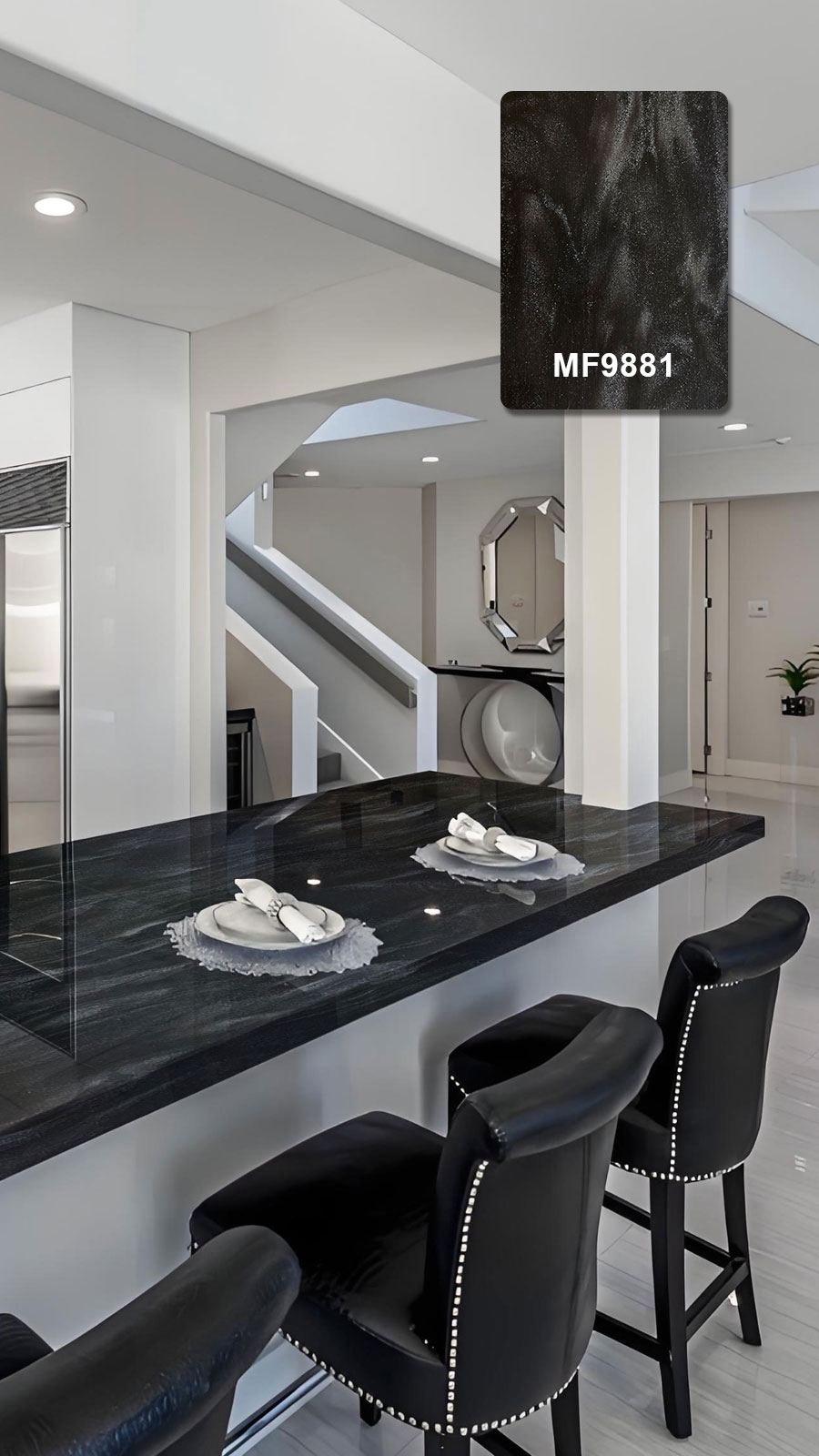
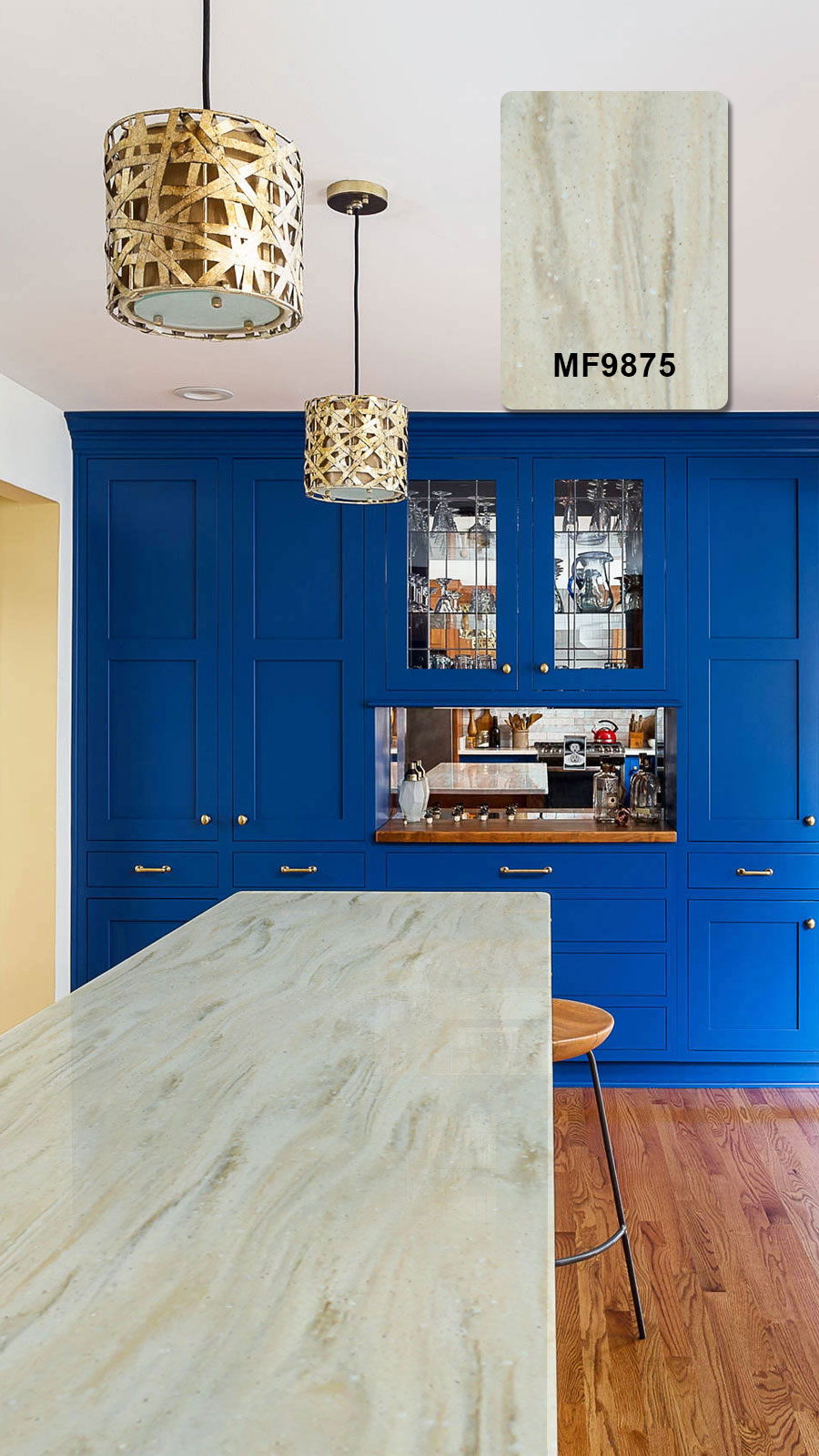
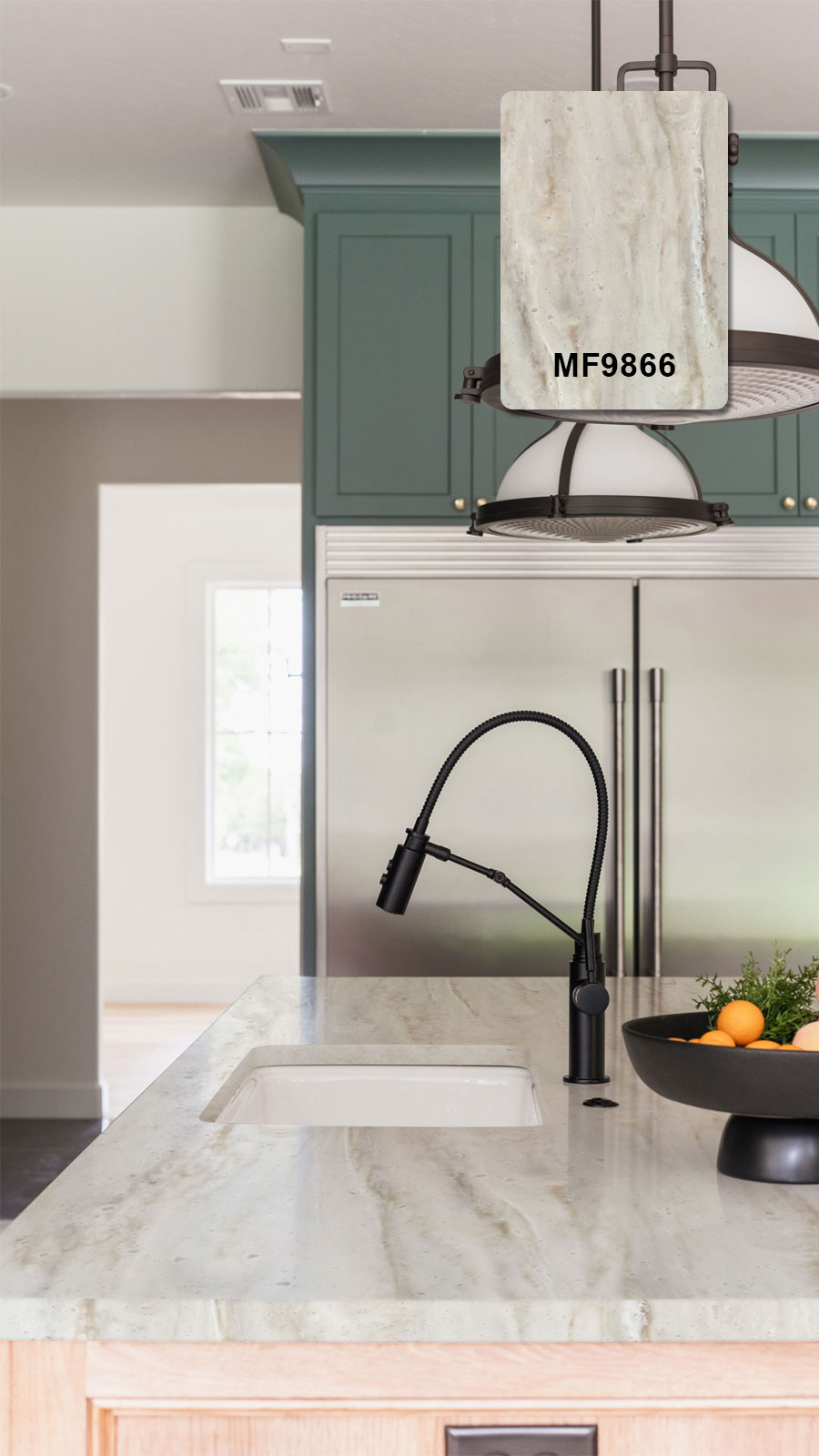
Not all solid surfaces are created equal, and the type of resin makes a big difference.
Acrylic resin is the premium choice. It resists yellowing, handles heat better, and allows for thermoforming, which means the sheets can be bent into curved shapes when warmed. This is why acrylic-based surfaces are popular for custom sinks, reception desks, and seamless wall panels.
Polyester resin costs less but tends to be more brittle and prone to color fading over time. Some manufacturers use a blend of both to balance price and performance.
At Surface Solution®, a brand of Shenzhen Letu Industrial Co., Ltd, the focus is on high-quality acrylic solid surface sheets. With more than 20 years of experience and over 300 colors, patterns, and natural textures, the company produces material that meets CE, NSF, and ISO9001 standards. That certification matters when you need surfaces for hospitals, restaurants, or other settings where hygiene and safety are non-negotiable.
The mineral filler is the unsung hero of the recipe. Aluminum trihydrate does three important jobs at once.
Adds durability: The high mineral content gives the surface its scratch resistance and solid, substantial feel.
Improves fire safety: ATH releases water vapor when heated, which slows the spread of flames.
Enables repairs: Because the color and material run all the way through, minor scratches and burns can be sanded out completely.
This last point is a major advantage. Unlike laminate, which has only a thin decorative layer, solid surface is consistent from top to bottom. A countertop can be refreshed years later and look brand new.
Anyone asking what are solid surface countertops made of will quickly see that the mineral-to-resin ratio is what separates a long-lasting surface from a cheap imitation.
To understand where this material fits, it helps to see it next to the alternatives.
Material | Porosity | Seamless Joints | Repairable | Best For |
|---|---|---|---|---|
Solid surface | Non-porous | Yes | Yes | Kitchens, baths, commercial spaces |
Granite | Porous (needs sealing) | No | Difficult | Traditional kitchens |
Quartz | Non-porous | Visible seams | Hard | High-traffic kitchens |
Laminate | Non-porous surface only | No | No | Budget projects |
Solid surface stands out for its seamless installation. Sheets are joined with a color-matched adhesive, then sanded smooth, so there are no visible lines where bacteria can hide. For bathrooms and food-prep areas, that hygienic, jointless finish is a real selling point.
Choosing a countertop is not just about looks—it is about how the material performs over years of daily use. Solid surface delivers a rare combination of beauty, hygiene, and easy repair, all thanks to its smart blend of resin and minerals.
Choose solid surface if seamless design and low maintenance matter more to you than the natural variation of stone. It works beautifully for custom shapes, integrated sinks, and large commercial surfaces where consistency counts.
When you are ready to learn more about what is a solid surface countertop and explore color options, Surface Solution® offers a one-stop service covering design, production, and custom fabrication. With three dedicated workshops and decades of expertise, the team can match your vision—whether you need a single vanity top or surfaces for an entire building.
Reach out for a free quote and discover how the right material can transform your space.
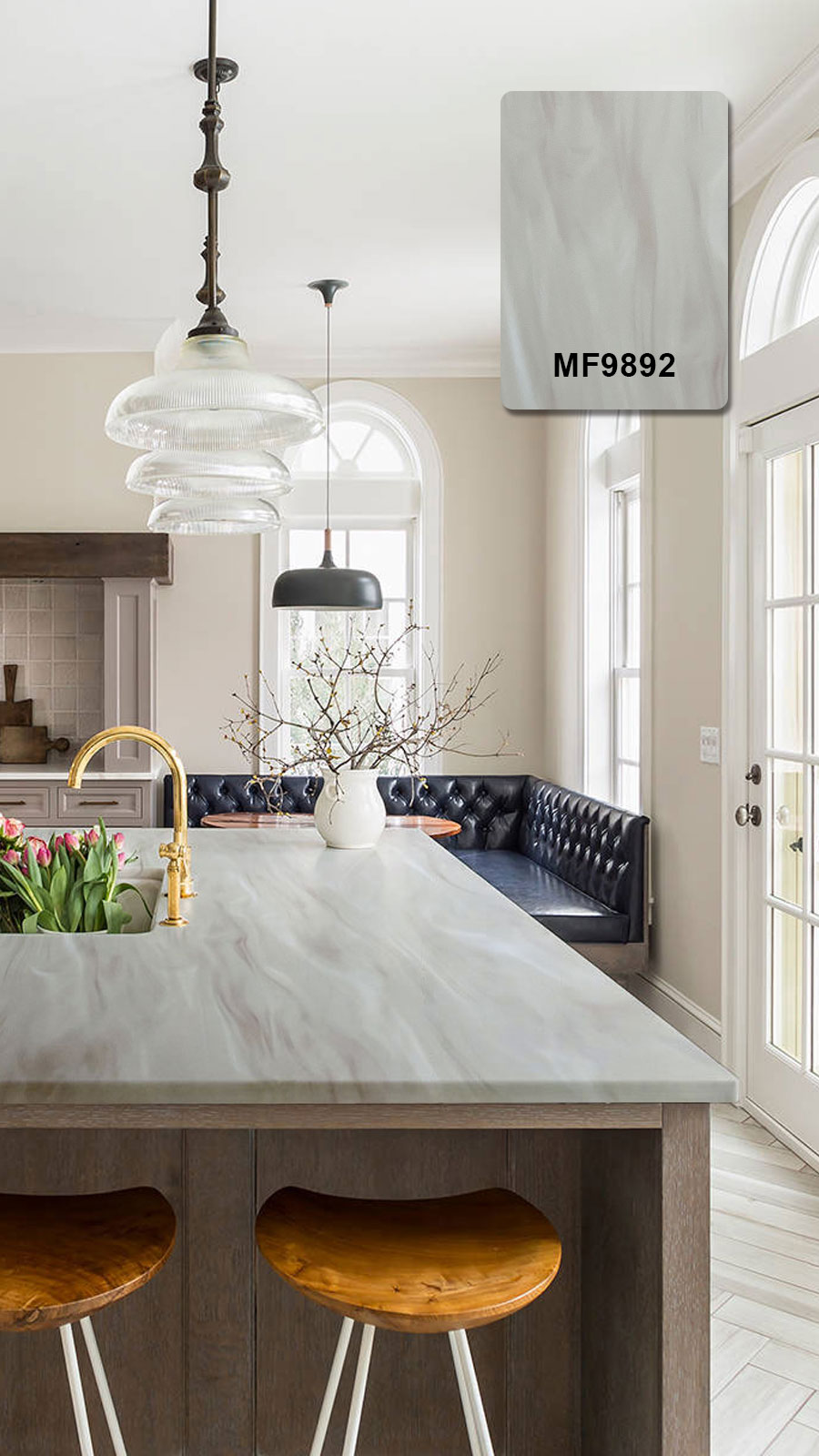
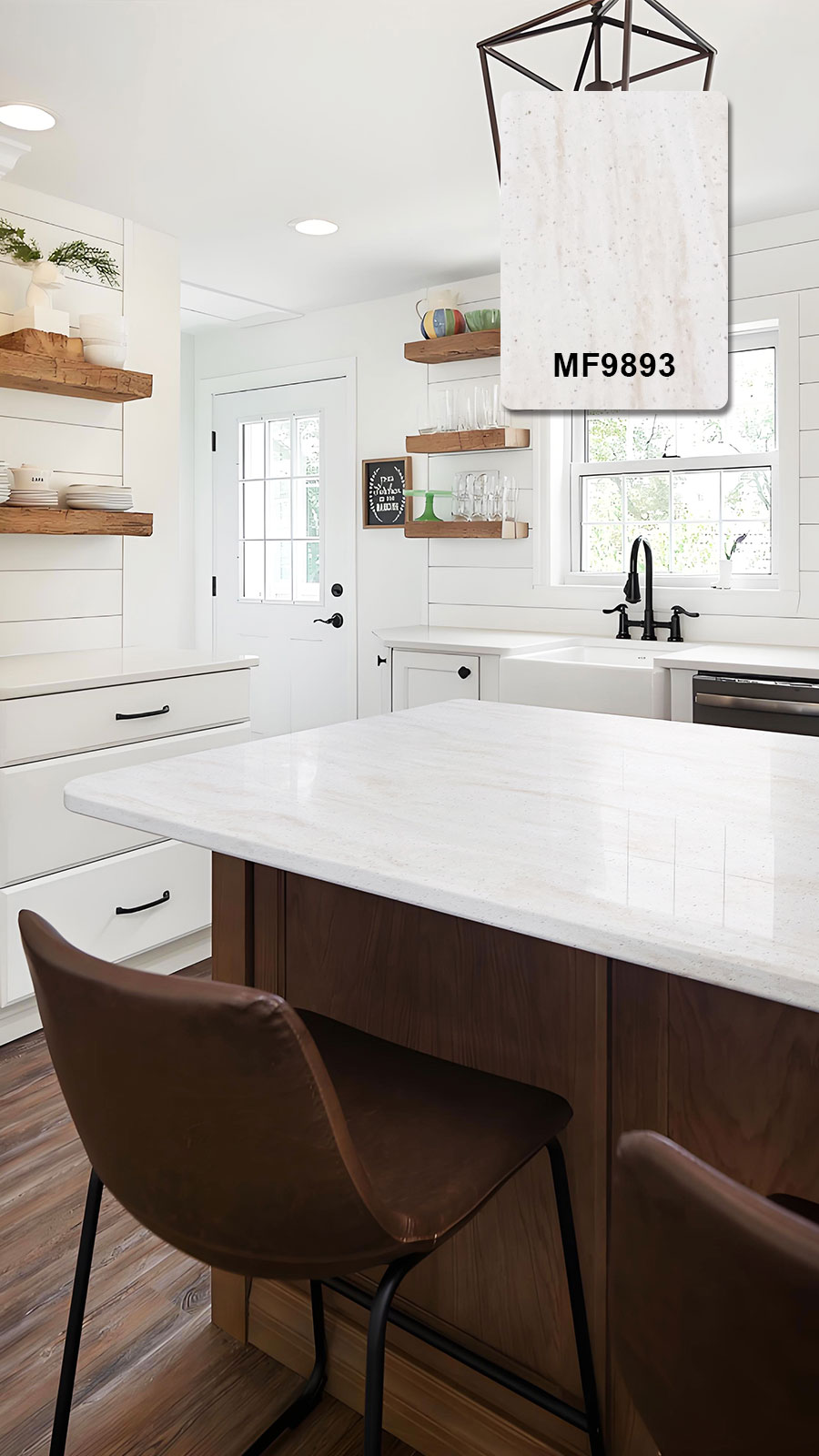
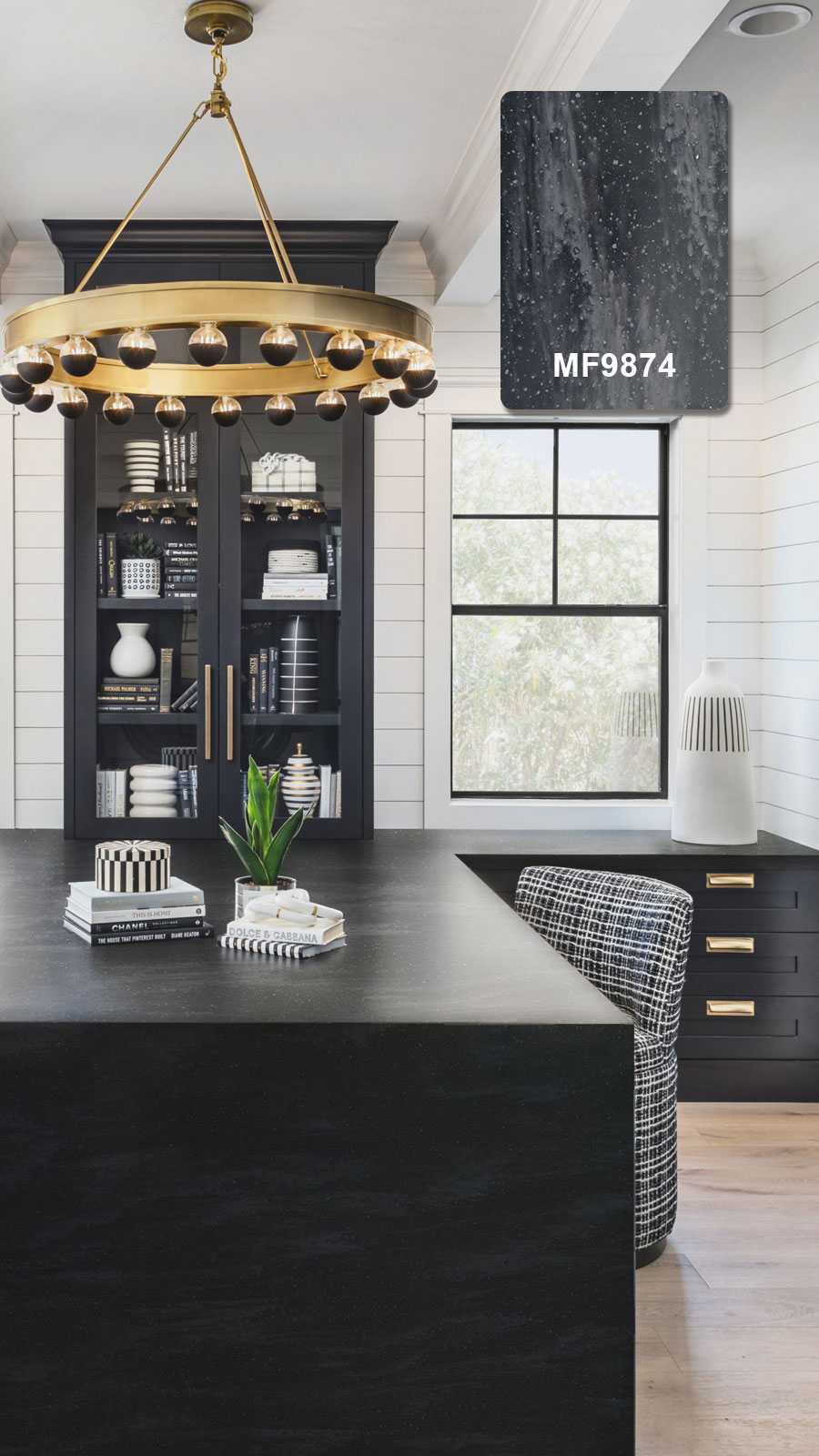
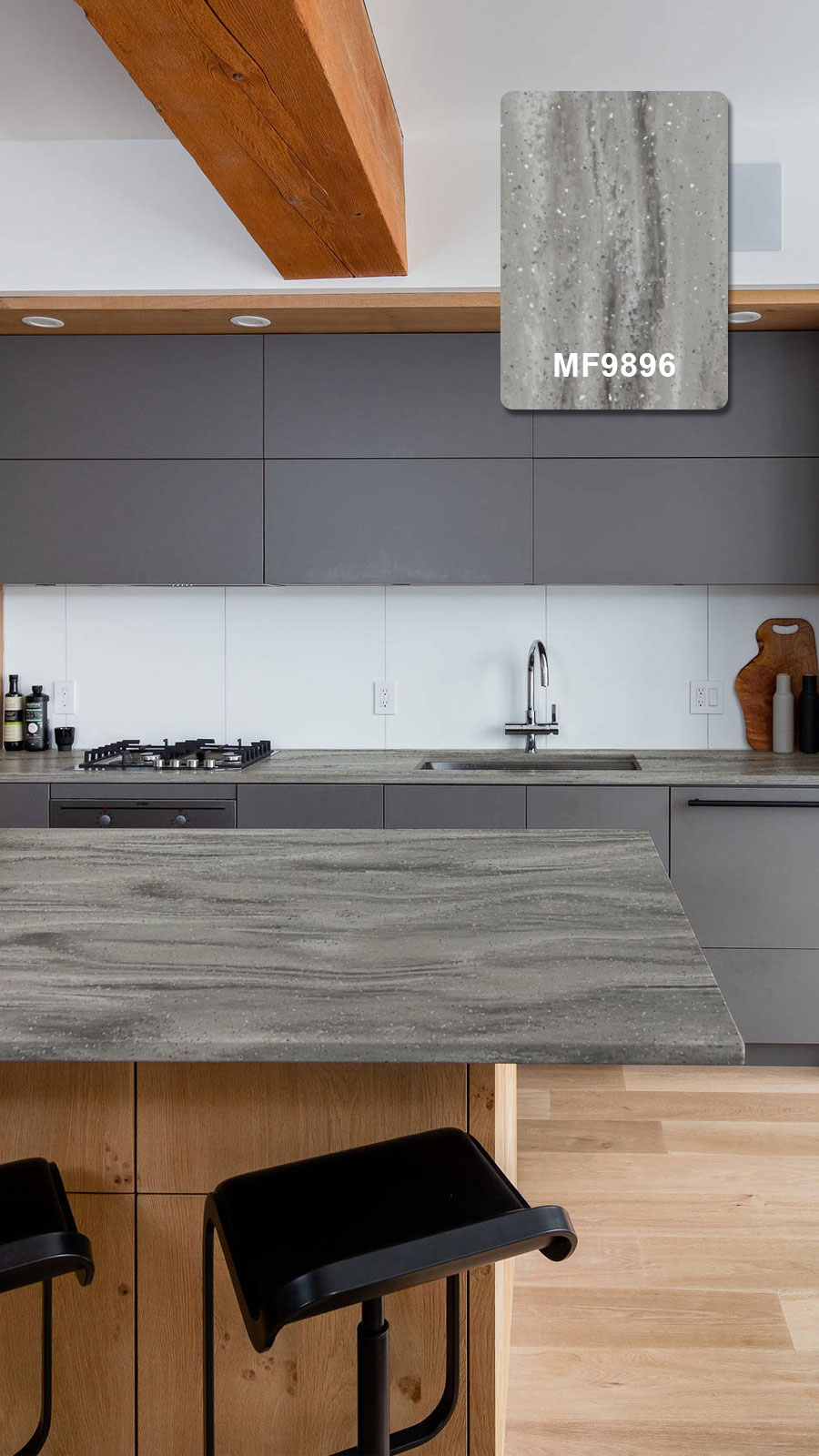
Solid surface handles everyday warmth well, but it is not fully heat-proof. The aluminum trihydrate filler adds fire resistance, yet placing a hot pot directly on the surface can cause damage. Always use a trivet or hot pad to protect it.
With proper care, solid surface countertops can last 15 to 20 years or more. Because the material is solid throughout, scratches and stains can be sanded out, extending the lifespan well beyond materials with only a surface layer.
Solid surface usually sits in the mid-range price tier. It typically costs less than quartz and high-end granite, while offering seamless installation and easy repairs that can lower long-term maintenance costs.
Yes. Its non-porous, seamless finish makes it ideal for bathroom vanities, shower walls, hospital surfaces, and restaurant tabletops. The lack of joints means fewer places for bacteria and mold to grow, which is why hygiene-focused settings favor it.
Acrylic-based solid surface resists yellowing, handles heat better, and can be thermoformed into curves. Polyester-based versions cost less but are more brittle and may fade over time. For most projects, acrylic offers the better long-term value.


