
- All
- Product Name
- Product Keyword
- Product Model
- Product Summary
- Product Description
- Multi Field Search
English
Views: 0 Author: Site Editor Publish Time: 2026-06-03 Origin: Site


TL;DR:
An engineered stone fixture offers a seamless, non-porous, and highly hygienic solution for modern bathrooms. The material resists daily stains and actively prevents mold growth. Choose this durable composite if you prioritize low maintenance, seamless integration, and highly customizable design options for your residential or commercial property.
Renovating a bathroom requires making dozens of impactful decisions that influence your daily routine. Few choices matter quite like selecting the right fixtures for your washing and bathing areas. You use these spaces constantly, from quickly washing your face in the morning to preparing for bed at night.
Selecting the ideal solid surface wash basin transforms an ordinary bathroom into a highly functional, sanitary, and aesthetically pleasing environment. This guide explores the distinct advantages of engineered composite materials. You will learn exactly how to evaluate different styles, understand maintenance requirements, and determine the best fit for your specific spatial constraints.
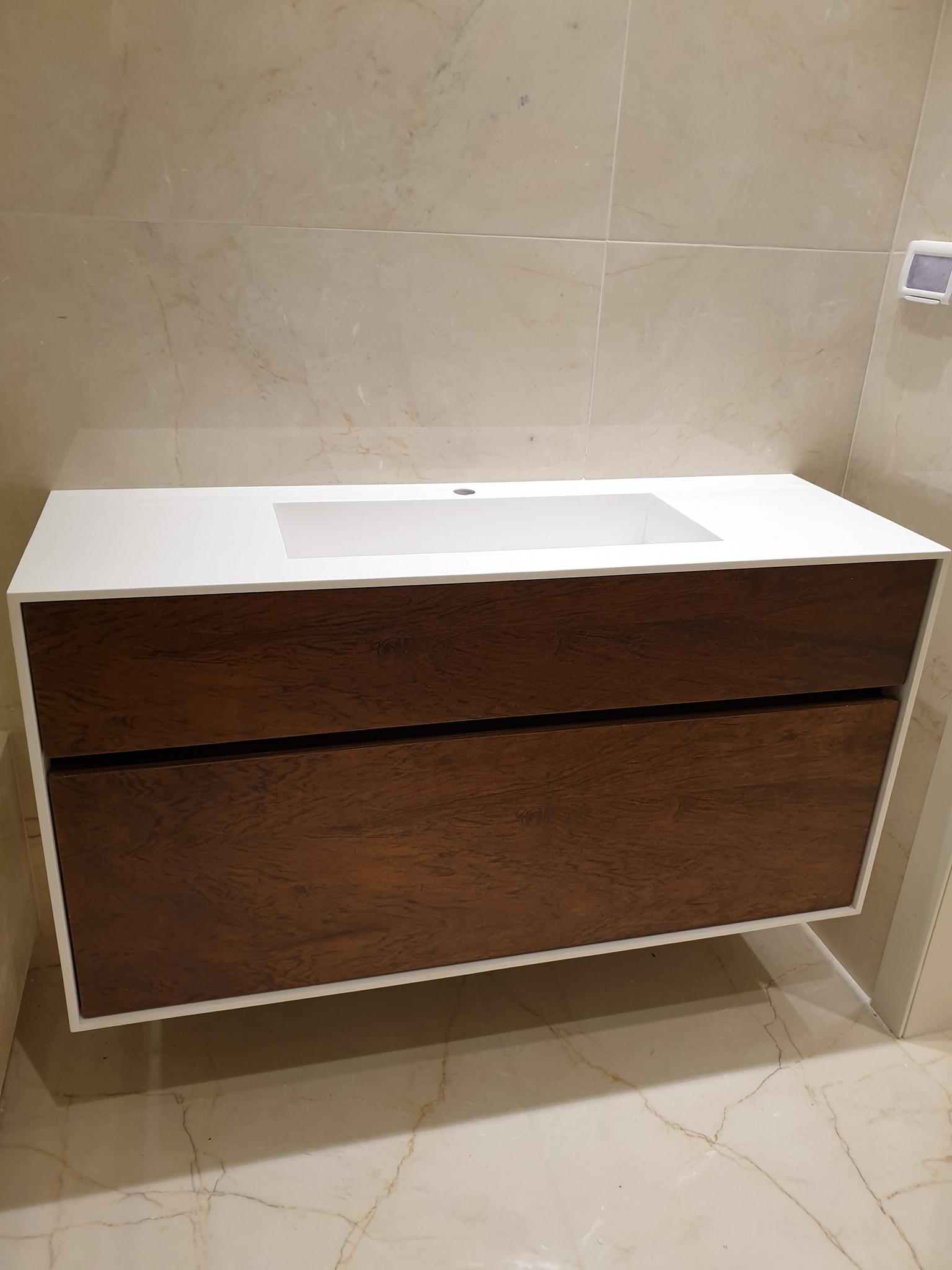
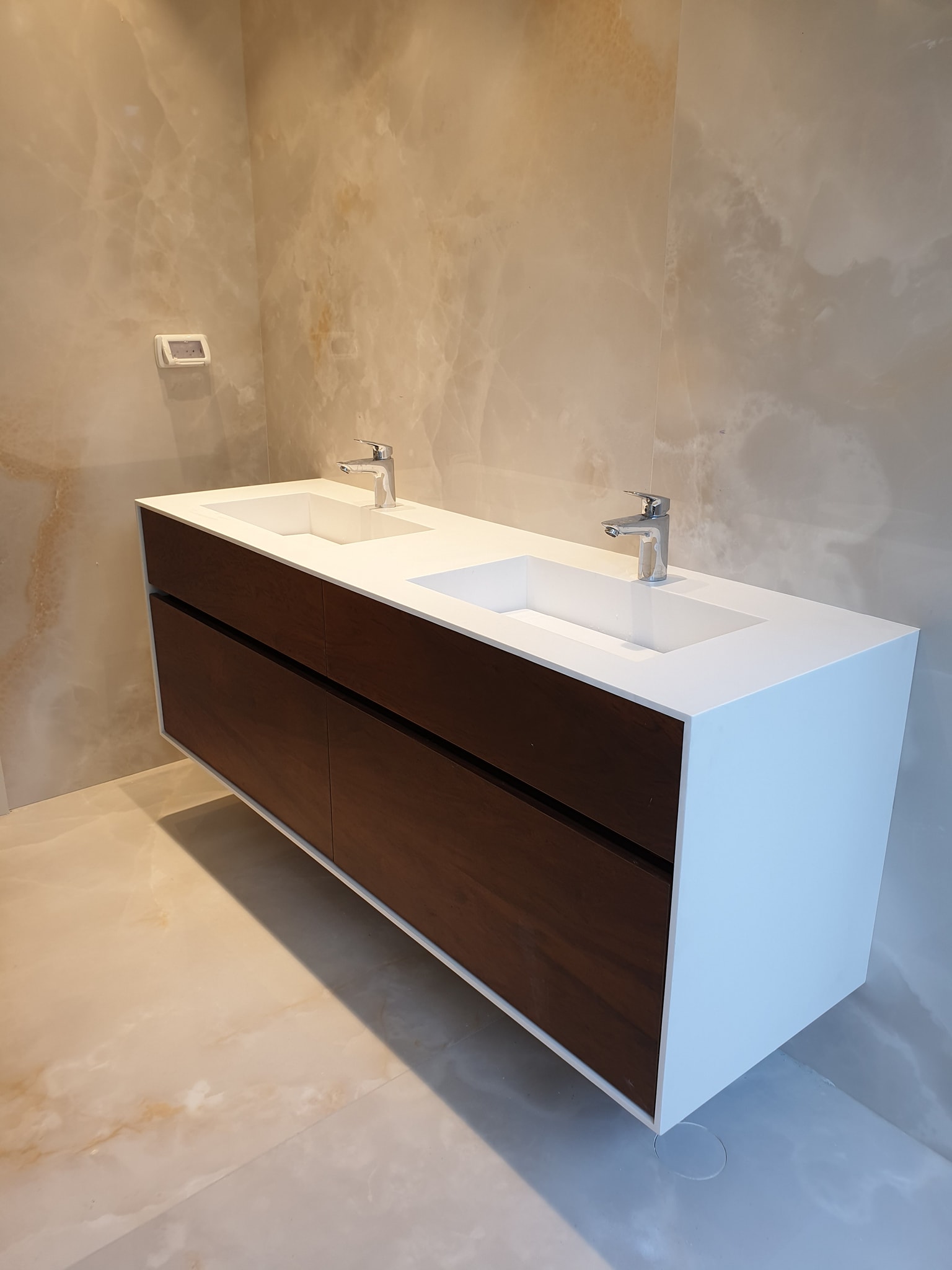
Homeowners and commercial designers frequently prioritize materials that can withstand heavy daily use without degrading. Acrylic-based composites provide a unique combination of extreme durability and visual appeal. Unlike traditional porcelain or ceramic, engineered stone is manufactured by blending natural minerals with high-performance acrylic resins.
This specific manufacturing process yields a completely non-porous structure. Because the material lacks microscopic pores, water and bacteria cannot penetrate the outer layer. A standard hand wash basin made from this composite actively resists mold, mildew, and stubborn stains.
According to general industry sanitation standards, non-porous composites significantly reduce the time required for daily cleaning. You do not need harsh chemicals to maintain the pristine appearance of the sink. Warm soapy water easily removes surface dirt, leaving the fixture looking brand new for decades.
The structural integrity of composite stone relies heavily on consistent thickness. Most premium manufacturers utilize a uniform thickness of at least 12 millimeters for bathroom fixtures. This solid composition means that minor scratches or surface burns can be buffed out completely using fine-grit sandpaper. The color and pattern run entirely through the material. Sanding away a blemish reveals an identical layer underneath, which drastically extends the usable life of the fixture compared to coated ceramics.
Understanding your spatial limitations and storage needs will guide your installation choice. The table below outlines the primary mounting configurations available for modern bathrooms.
Installation Type | Best Used For | Key Advantage | Space Requirement |
Wall-Mounted | Small bathrooms, commercial restrooms | Maximizes visible floor space and creates a minimalist look. | Requires reinforced wall backing for proper support. |
Under-Mount | Master bathrooms, family washrooms | Creates a completely seamless transition for easy countertop wiping. | Requires a compatible, water-resistant vanity top. |
Above-Counter | Boutique hotels, luxury residential | Serves as a strong visual centerpiece and elevates the design. | Requires a lower vanity height to maintain ergonomic reach. |
Freestanding | Large master suites, open-concept spaces | Provides a dramatic, sculptural element independent of cabinetry. | Requires extensive plumbing adjustments through the floor. |
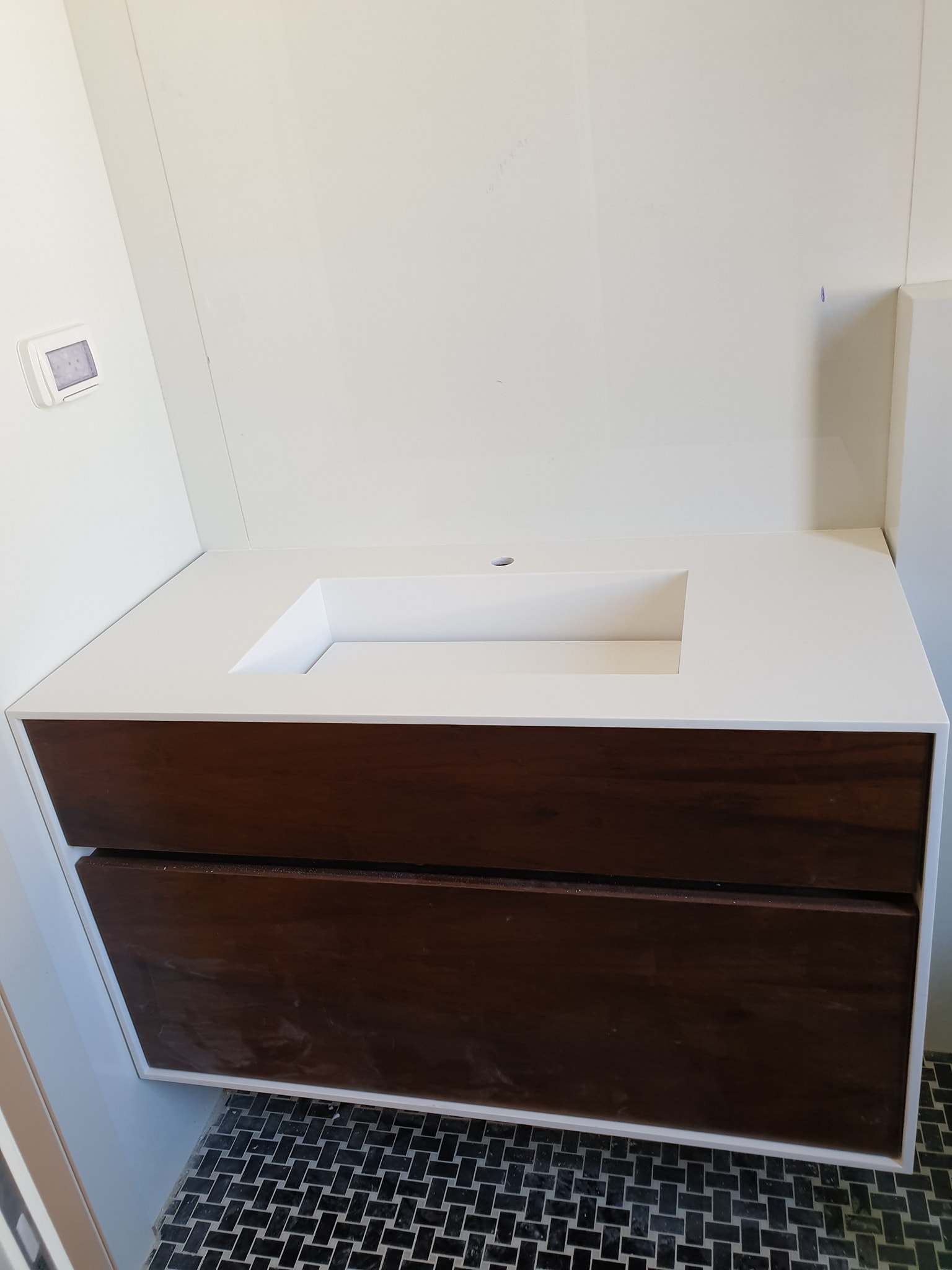

Matching the sink style to your daily habits ensures long-term satisfaction. Every household utilizes their bathroom differently.
Choose a wall-mounted design if maximizing floor space matters more than having under-sink storage. This approach works exceptionally well in narrow powder rooms where bulky cabinetry would impede movement. The floating aesthetic immediately makes tight quarters feel more expansive.
Conversely, families with extensive toiletries generally require substantial storage. In these scenarios, integrating a sink into a spacious vanity provides the best results. A countertop basin rests directly on top of the vanity surface, creating a striking focal point while preserving the cabinetry space below. Choose this above-counter configuration if striking visual design matters more than minimizing splash zones, as elevated edges can occasionally catch water during aggressive washing.
Engineered composites offer immense design flexibility. Matte white remains the industry standard because it easily conceals minor water spots and toothpaste residue. A matte finish absorbs light, providing a soft, contemporary appearance that pairs perfectly with brushed nickel or matte black hardware.
Glossy finishes reflect light and instantly brighten smaller rooms without natural windows. However, high-gloss surfaces require slightly more frequent wiping to eliminate visible watermarks. Choose a glossy finish if maximizing ambient light matters more than extending the time between routine cleanings.
An acrylic composite sink typically lasts 20 to 30 years under normal residential use. The material's ability to be repeatedly sanded and refinished allows homeowners to easily remove accumulated scratches and restore the original factory finish.
Composite sinks generally cost 20% to 40% more upfront than standard porcelain alternatives. However, the extended lifespan, superior impact resistance, and repairability often result in a lower total cost of ownership over a 20-year period.
Yes. Strong solvents, paint removers, and cleaners containing highly concentrated acids can permanently damage the acrylic resin binder. You should immediately flush the sink with water if these harsh chemicals accidentally spill on the surface.
Professional installation is highly recommended. These fixtures weigh significantly more than traditional ceramic options. Wall-mounted variations specifically require precise structural reinforcement behind the drywall to safely support the weight of the unit and the water it holds.
Upgrading your bathroom fixtures requires careful planning and a clear understanding of material science. Engineered stone delivers a highly hygienic, visually stunning, and remarkably durable solution tailored for demanding environments.
Start your renovation journey by accurately measuring your current vanity or wall space. Note the exact locations of your existing plumbing lines to determine if you need to hire a contractor for relocation. Finally, evaluate your household's daily traffic to choose an installation style that perfectly balances striking aesthetic appeal with practical, everyday functionality.


