
- All
- Product Name
- Product Keyword
- Product Model
- Product Summary
- Product Description
- Multi Field Search
English
Views: 0 Author: Site Editor Publish Time: 2026-07-02 Origin: Site


TL;DR:
Solid surface countertops come in three primary types—acrylic-based, polyester-based, and blended compositions. Each varies in durability, repairability, and design range. Acrylic-based options consistently outperform the others in commercial and residential settings, making them the preferred choice for architects, designers, and homeowners worldwide.
Countertops bear more daily wear than almost any other surface in a home or commercial space. They handle heat, moisture, spills, and years of scrubbing—all while being expected to look clean and modern. So choosing the right material is not a minor decision. Get it wrong, and you'll be replacing it far sooner than you planned.
Before comparing options, it helps to start with a clear solid surface definition: solid surface is an engineered composite material made from acrylic or polyester resin combined with natural mineral fillers, primarily aluminum trihydrate (ATH). The blend produces a non-porous, seamless surface with no grout lines or visible joints—one that resists bacteria, stains, and moisture far better than natural stone or laminate.
What many buyers don't realize is that "solid surface" is not a single material. The specific resin base, mineral ratio, and manufacturing process all affect how a countertop performs over time. This guide walks through the main solid surface countertops types so you can make a confident, informed choice from the start.

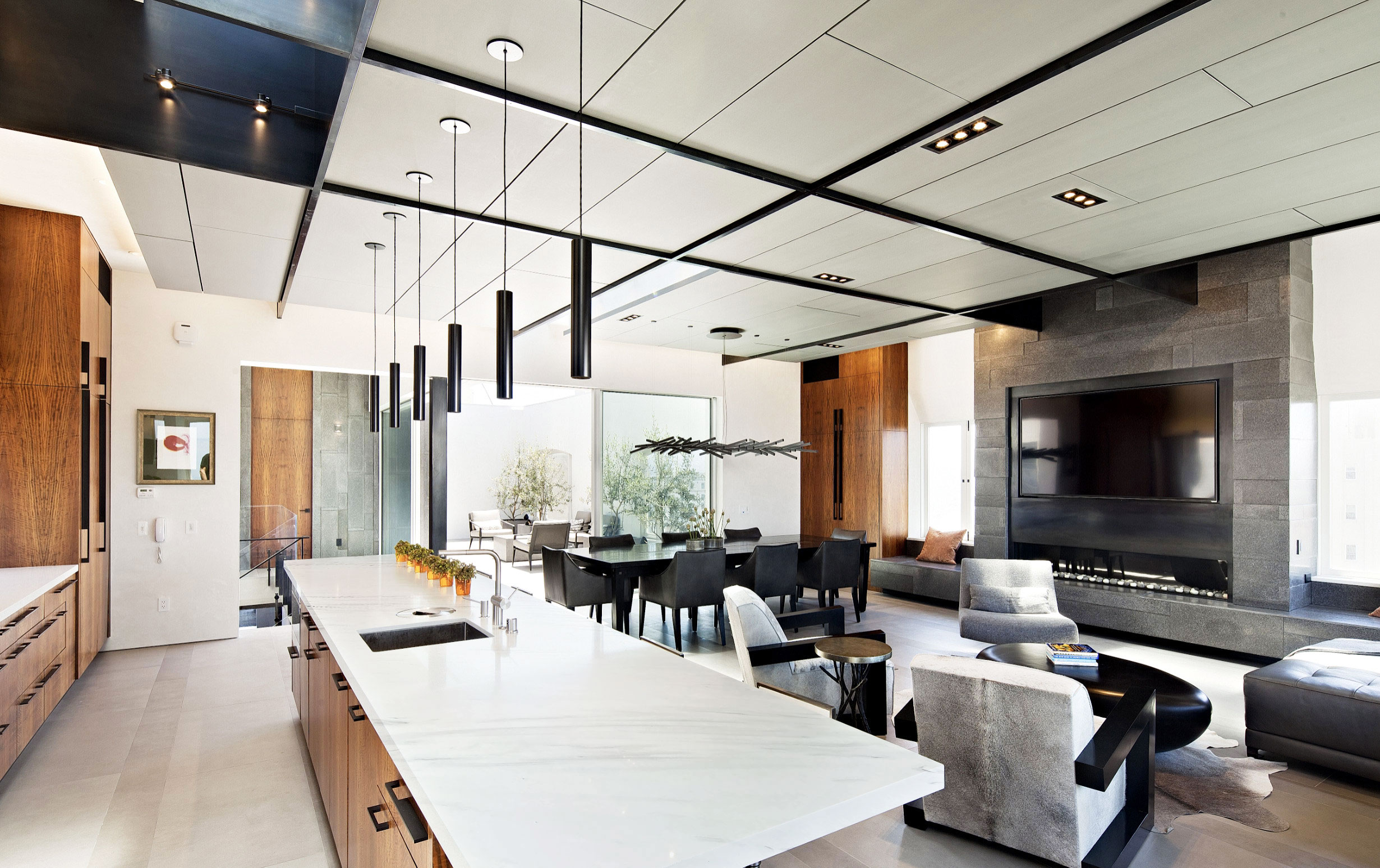
Solid surface countertops fall into three categories based on their resin composition. Each has a distinct set of characteristics that makes it suited—or less suited—to specific applications.
Acrylic-based solid surface uses acrylic resin as its primary binder. This type accounts for the majority of premium solid surface products on the market today. Acrylic resin offers superior flexibility, which means the material is less prone to cracking under thermal stress. It's also easier to thermoform into curved shapes, making it popular for both countertops and custom furniture applications. Color consistency is excellent, and acrylic surfaces can be sanded and polished to remove scratches—a feature that significantly extends the product's lifespan.
Polyester-based solid surface uses polyester resin instead of acrylic. Polyester is generally less expensive to produce, which makes this type more budget-friendly at the point of purchase. However, polyester surfaces are more brittle, less resistant to UV yellowing, and harder to repair once scratched or damaged. They are best suited for low-traffic interior applications where cost is a primary concern.
Blended solid surface combines both acrylic and polyester resins in varying ratios. This type sits between the two in terms of performance and price. Higher acrylic content in the blend moves the material closer to pure acrylic quality; higher polyester content reduces cost but also durability. Buyers should always ask for the specific blend ratio when evaluating these products.
The table below summarizes the key differences across the three solid surface countertop types:
Feature | Acrylic-Based | Polyester-Based | Blended |
|---|---|---|---|
Durability | High | Moderate | Moderate–High |
Repairability | Excellent | Limited | Good |
UV Resistance | High | Low | Moderate |
Thermoformability | Excellent | Poor | Moderate |
Price Point | Premium | Budget | Mid-range |
Best Use Case | Kitchen, bath, commercial | Low-traffic interiors | Versatile residential use |
Color Consistency | Excellent | Moderate | Good |
For high-use environments—commercial kitchens, hospital countertops, hotel bathrooms—acrylic-based solid surface is the clear recommendation. For cost-sensitive residential projects with lighter usage, polyester-based or blended options may offer sufficient performance at a lower upfront cost.
The performance gap between acrylic and polyester comes down to the resin's molecular structure. Acrylic resin creates a denser, more flexible matrix that bonds more tightly with mineral fillers like ATH. This results in a surface that flexes slightly under impact rather than cracking, and one that responds well to heat thermoforming—a process used to create seamless curved edges and integrated sinks.
Repairability is another major advantage. Minor scratches, burns, and surface marks on acrylic-based countertops can be sanded out with fine-grit paper and re-polished, restoring the original appearance without replacement. Polyester surfaces, by contrast, tend to show damage permanently once the top layer is compromised.
Understanding the solid surface countertops definition more closely also reveals why mineral filler ratios matter. High-quality acrylic solid surfaces typically contain around 65–70% ATH and 30–35% acrylic resin. This ratio balances hardness with workability, delivering a surface that holds its color and structure across years of daily use.

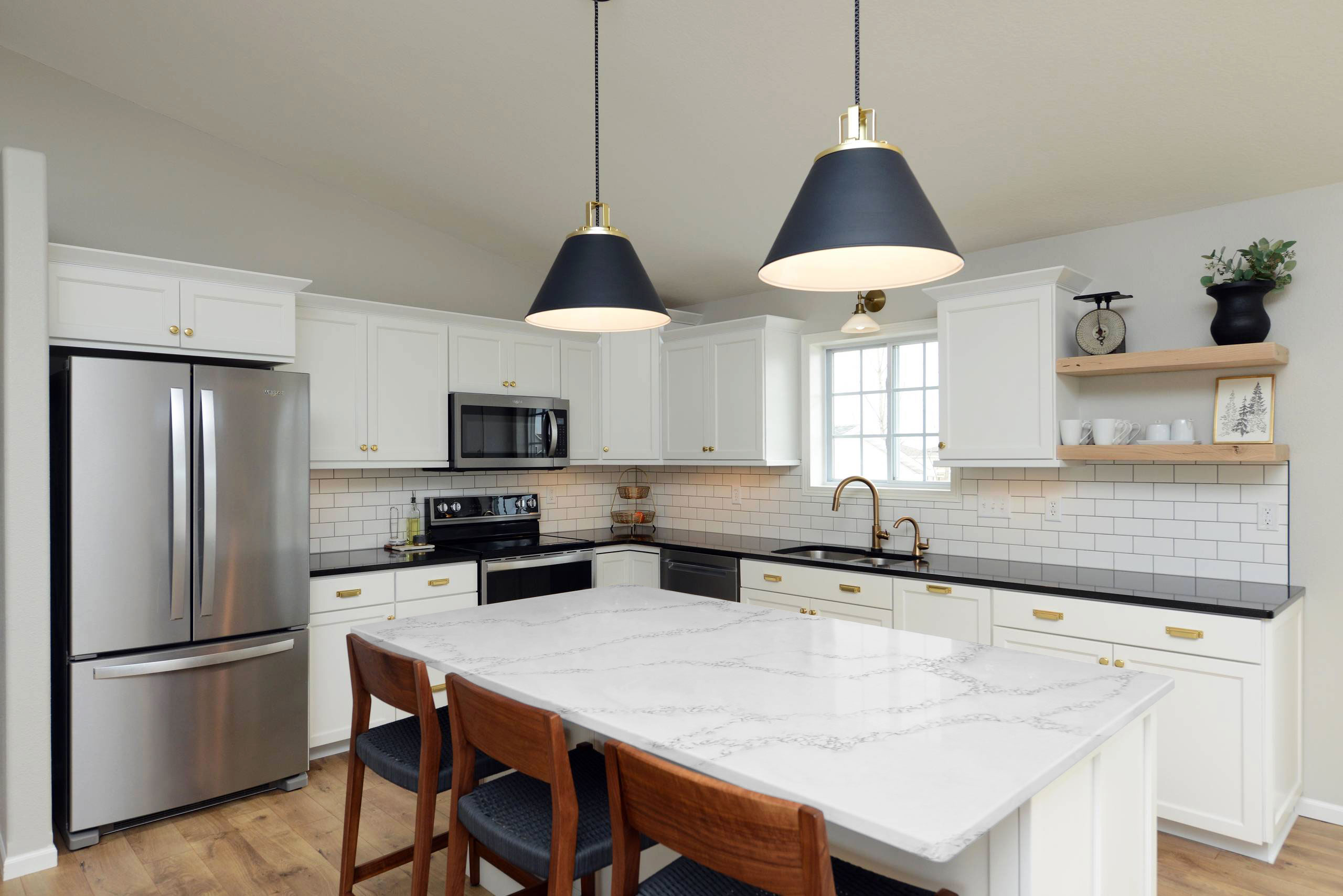
For kitchens, acrylic-based solid surface is the top pick. Kitchen countertops face high heat exposure, acidic food contact, and constant cleaning. Acrylic surfaces handle all three better than polyester alternatives. The non-porous composition also means bacteria and mold have nowhere to grow—a critical factor for any food preparation surface.
For bathrooms, the same logic applies. Moisture resistance and seamless construction are both essential in wet environments. An integrated solid surface basin and countertop—fabricated from a single continuous sheet—eliminates the seams where mold typically develops. This is something neither tile nor laminate can match.
For commercial applications such as restaurant tabletops, reception desks, and retail displays, acrylic solid surface offers the additional benefit of long-term aesthetics. Heavy daily traffic doesn't degrade the surface visually the way it does with laminates, and refinishing is possible on-site without replacing entire panels.
Surface Solution® is the flagship brand of Shenzhen Letu Industrial Co., Ltd., a manufacturer with more than 20 years of experience producing acrylic solid surface materials. The company operates three independent production workshops and holds CE, NSF, and ISO9001 certifications—standards that matter when you're sourcing materials for long-term commercial or residential projects.
Their product range covers solid surface countertops types across multiple formats: acrylic solid surface sheets, bathroom vanity tops, kitchen countertops, integrated basins, bathtubs, and restaurant tabletops. With over 300 colors, patterns, and natural textures available, Surface Solution® supports everything from minimalist residential kitchens to large-scale hospitality fitouts.
Customization is also central to what Surface Solution® offers. Their technical team works directly with clients to produce bespoke shapes, dimensions, and finishes—meaning the countertop you receive is built around your project, not the other way around. For buyers who want reliable quality at the manufacturing source, Surface Solution® provides a one-stop solution from design through to delivery.
What is the most durable type of solid surface countertop?
Acrylic-based solid surface countertops are the most durable. The acrylic resin binder creates a more flexible, impact-resistant surface that is also easier to repair than polyester-based alternatives. For high-traffic kitchens and commercial spaces, acrylic-based products are the standard recommendation.
Can solid surface countertops be repaired if scratched?
Yes—acrylic-based solid surface countertops can be sanded and re-polished to remove light scratches, burns, and surface stains. This repairability is one of the material's most valued long-term benefits and sets it apart from granite, quartz, and laminate options.
Is solid surface the same as quartz or granite?
No. Solid surface is a fully engineered composite material, typically made from acrylic or polyester resin and mineral fillers. Quartz countertops contain a higher percentage of crushed stone and resin, while granite is a natural stone. Solid surface is non-porous, seamlessly joinable, and thermoformable—properties that quartz and granite cannot replicate.
How do I choose between acrylic and blended solid surface?
Choose acrylic-based solid surface if long-term durability, UV resistance, and repairability are priorities—especially for kitchens, bathrooms, and commercial spaces. Opt for blended solid surface if you have a tighter budget and the application is a lower-traffic interior where premium performance is less critical.
Does Surface Solution® offer custom solid surface fabrication?
Yes. Surface Solution® by Shenzhen Letu Industrial Co., Ltd. provides fully customized design, production, and fabrication services. Their team works to specific dimensions, edge profiles, and color requirements, making them a suitable partner for both residential and large-scale commercial projects.


