
- All
- Product Name
- Product Keyword
- Product Model
- Product Summary
- Product Description
- Multi Field Search
English
Views: 0 Author: Site Editor Publish Time: 2026-07-07 Origin: Site


TL;DR:
Solid surface countertops come in three main types—acrylic-based, polyester-based, and blended. Acrylic-based options lead in durability, repairability, and design flexibility, making them the preferred choice for both residential and commercial projects. The right type depends on your budget, application, and long-term performance expectations.
Countertop selection shapes how a kitchen or bathroom looks and functions for years. Pick the wrong material, and you're dealing with staining, cracking, or costly replacements far sooner than expected. Solid surface has become one of the most reliable options on the market—and for good reason.
But not all solid surface countertops are created equal. The type of resin used in manufacturing makes a significant difference in performance, aesthetics, and repairability. This guide breaks down each type clearly, so you can make a well-informed decision before committing to a material.
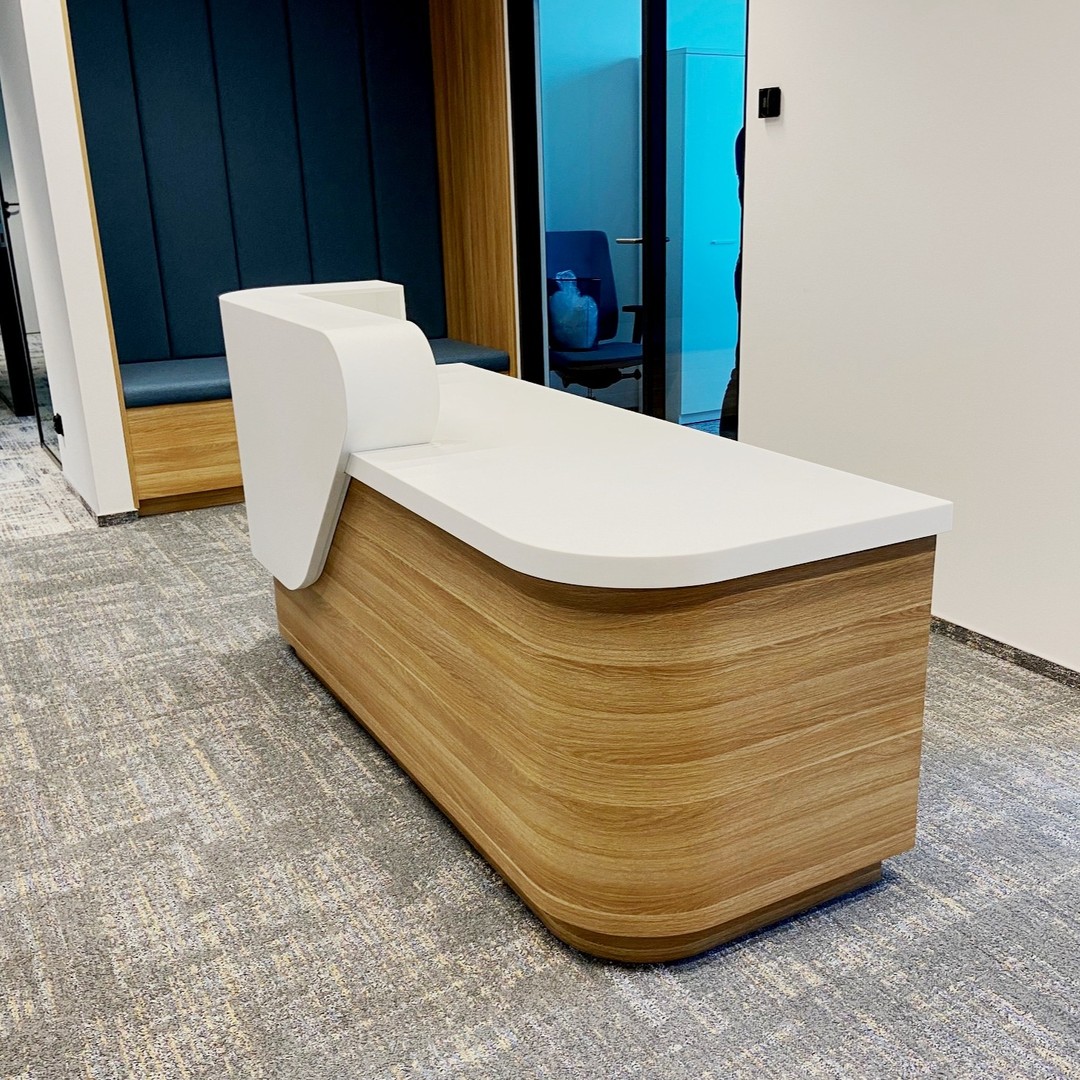
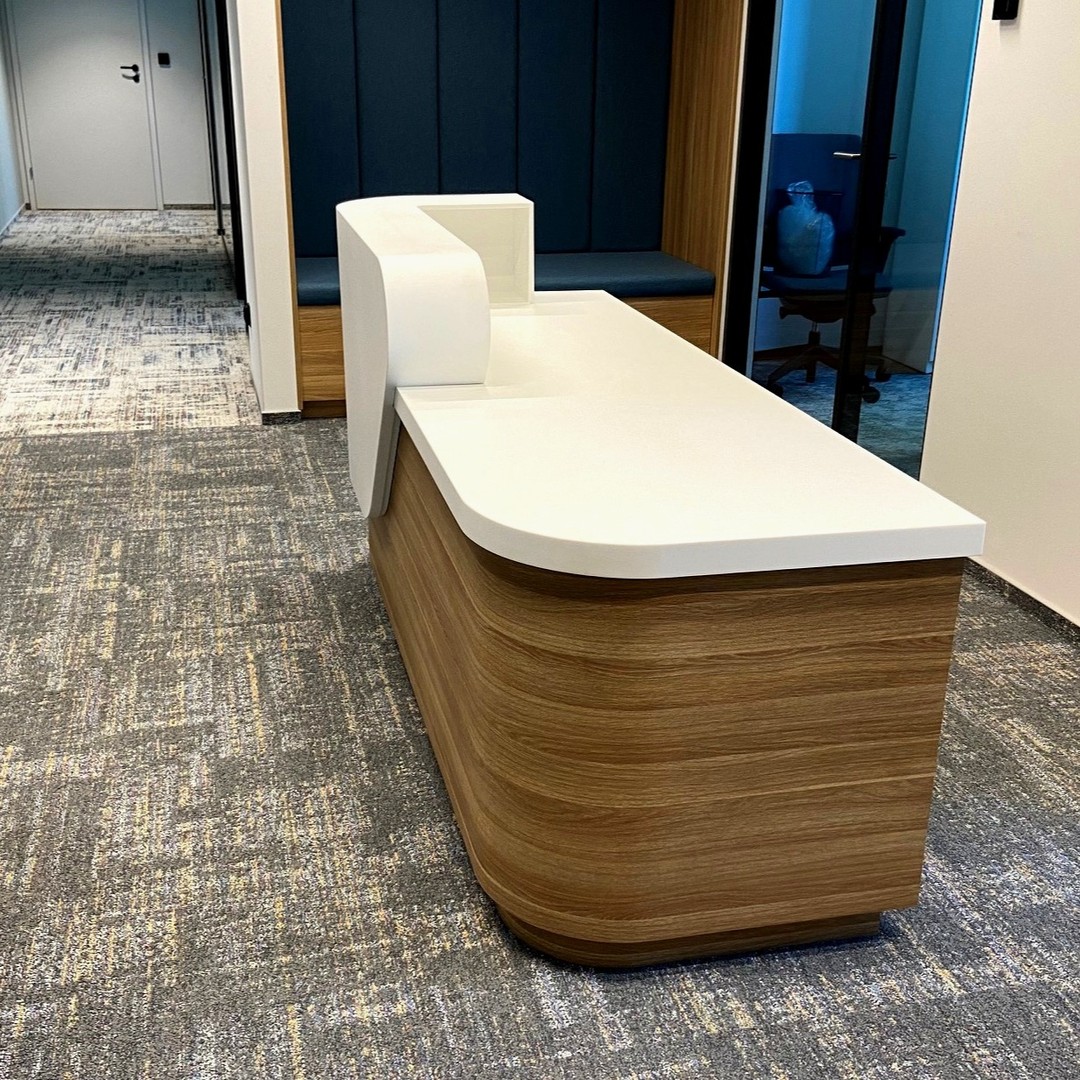
Before comparing types, it helps to understand what sets solid surface apart from alternatives like granite, quartz, or laminate.
Understanding what are solid surface countertops made of is the foundation of any smart buying decision. At its core, solid surface is a non-porous composite made from approximately 65–70% natural mineral fillers (typically aluminum trihydrate) and 30–35% acrylic or polyester resin, combined with pigments for color. This composition creates a seamless, hygienic surface with no grout lines or pores where bacteria can grow.
Unlike granite, solid surface can be thermoformed into curved shapes. Unlike laminate, it can be sanded and refinished when scratched. These qualities make it particularly valuable in healthcare environments, commercial kitchens, and high-end residential renovations.
The category of solid surface splits into three distinct compositions, each with real trade-offs in performance, cost, and application suitability.
Type | Primary Resin | Durability | Repairability | Price Range | Best For |
|---|---|---|---|---|---|
Acrylic-based | Acrylic resin | High | Excellent | Mid to premium | Commercial, residential, healthcare |
Polyester-based | Polyester resin | Moderate | Limited | Budget-friendly | Low-traffic residential |
Blended (acrylic + polyester) | Mixed | Moderate–High | Good | Mid-range | General residential use |
Acrylic-based solid surface is the benchmark for quality. Acrylic resin bonds more tightly with mineral fillers, resulting in a material that resists impact, heat, and UV discoloration better than the alternatives. Scratches and minor damage can be sanded out entirely, restoring the surface to near-original condition.
Polyester-based solid surface uses polyester resin as the binding agent. The production cost is lower, which keeps the price accessible, but the material tends to yellow over time when exposed to sunlight and offers less flexibility for fabrication. Repairs are more visible, and thermoforming is more difficult.
Blended solid surface sits in the middle ground. Manufacturers mix acrylic and polyester resins in varying ratios, which allows some cost savings while retaining more of the performance characteristics of acrylic. Quality varies widely depending on the acrylic-to-polyester ratio, so sourcing from a reputable manufacturer matters.
Performance under pressure is where the type difference becomes most visible. In high-traffic environments—commercial kitchens, hotel reception desks, hospital nurse stations—surfaces face daily impact, chemical exposure, and intensive cleaning routines.
Solid surface acrylic countertops handle these conditions consistently because acrylic resin creates a denser, more flexible matrix than polyester. That density translates to better stain resistance, lower water absorption rates, and a longer service life before any refinishing is needed.
Surface Solution®, the brand developed by Shenzhen Letu Industrial Co., Ltd., produces acrylic solid surface sheets that meet CE, NSF, and ISO 9001 certifications—standards that matter in regulated environments like healthcare and food service. With over 20 years of manufacturing experience and more than 300 color and pattern options, Surface Solution® serves both large commercial projects and custom residential fabrications with the same level of quality control.
The ability to fabricate seamless joints is another practical advantage of acrylic-based material. Seams between sections can be bonded and polished until they're essentially invisible—something polyester-based surfaces cannot achieve as cleanly. For countertop runs in open-plan kitchens or continuous vanity tops across double sinks, that seamlessness is a genuine functional benefit, not just an aesthetic one.
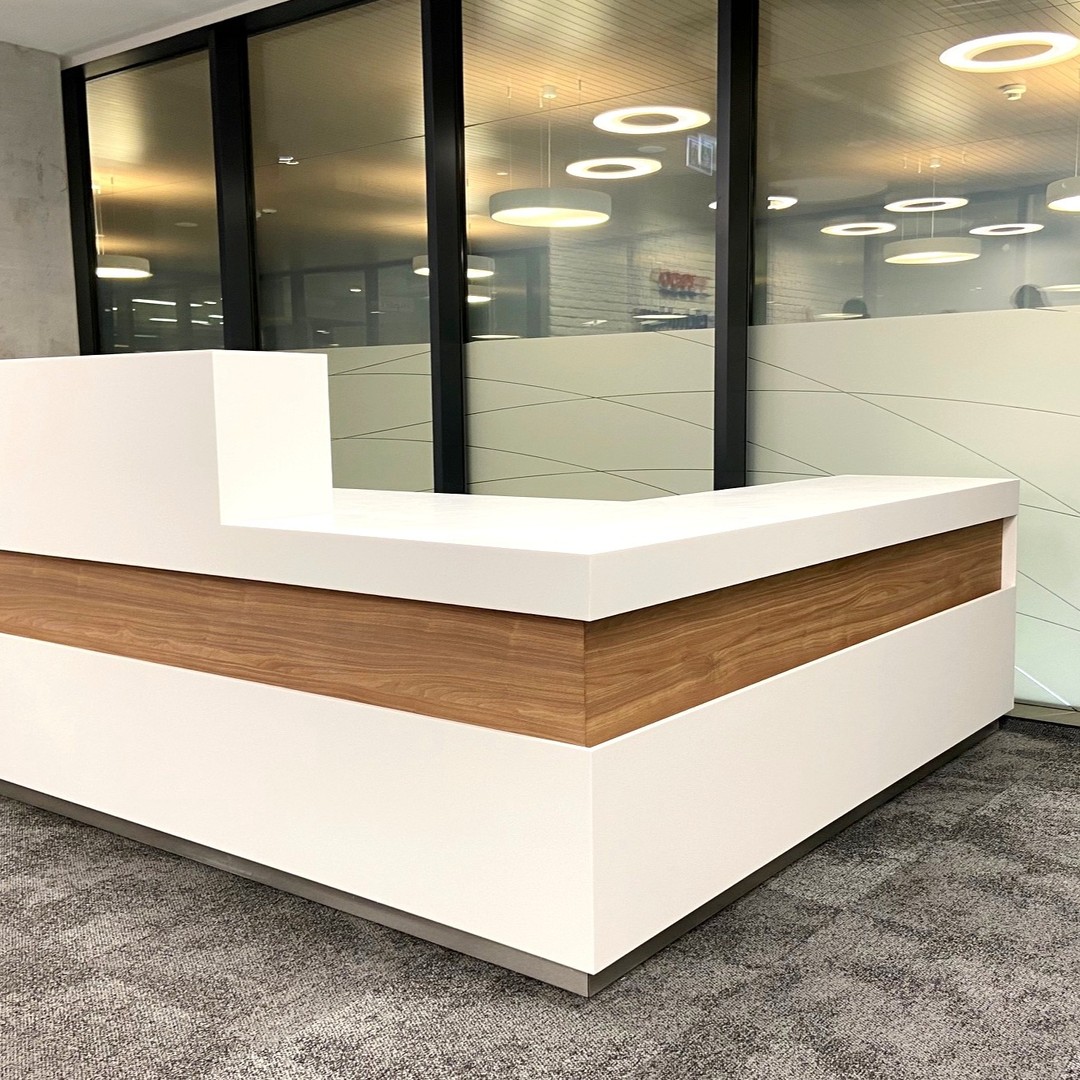
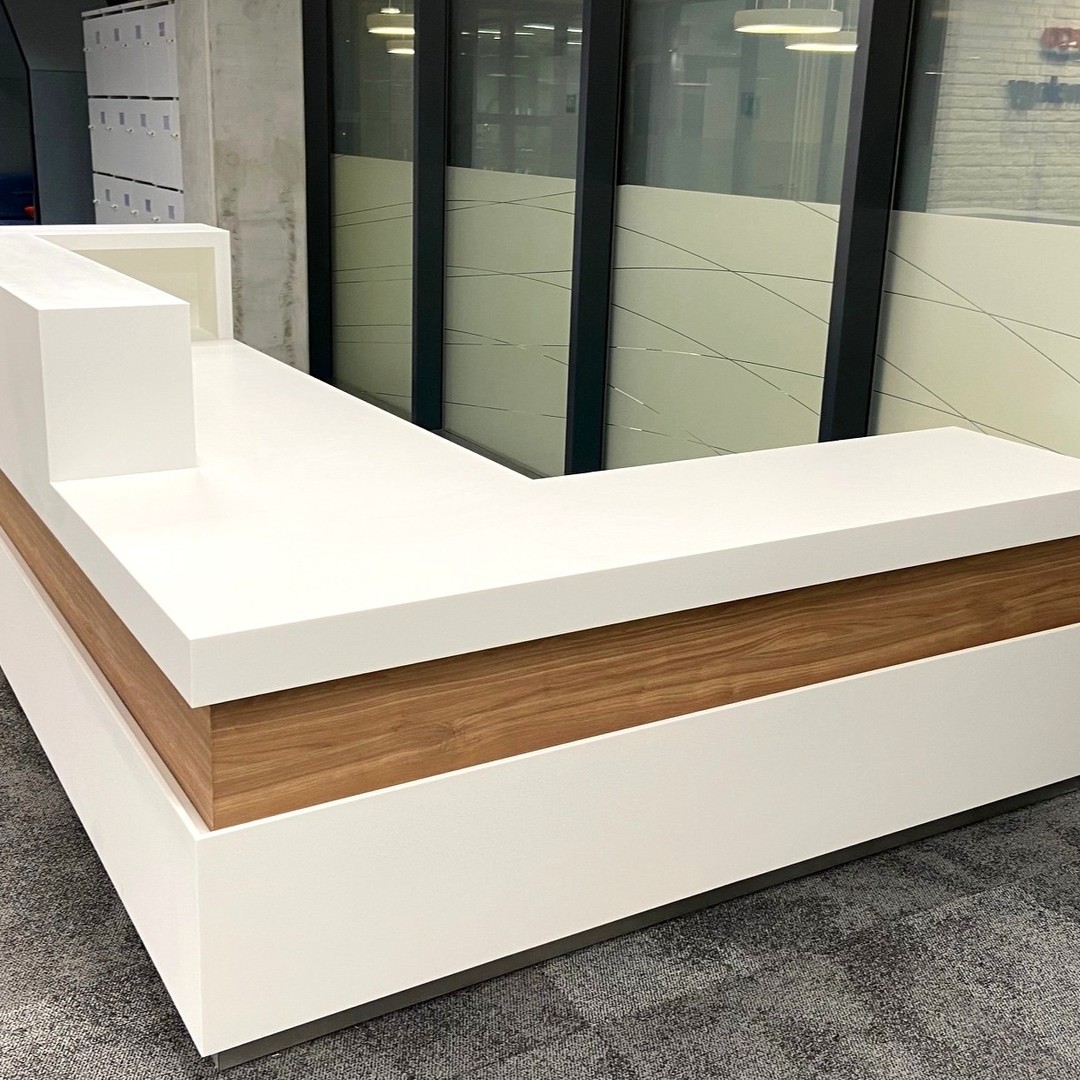
Application context should always guide material selection. Here's how each type maps to real-world use cases:
Residential kitchens benefit most from acrylic or a high-acrylic blend. Daily cooking, cleaning agents, and occasional heat exposure require durability that polyester-based materials struggle to deliver long-term.
Bathroom vanities and basins are an ideal environment for solid surface generally, but acrylic-based material is the preferred choice where integrated basins are involved. Surface Solution® manufactures bathroom countertops with integrated sinks as a single molded unit, eliminating the seam where moisture typically accumulates and mold develops.
Commercial and hospitality settings—restaurants, hotels, co-working spaces—demand materials that can be maintained quickly and inexpensively. An acrylic solid surface table top or reception counter that develops a scratch can be buffed back to condition on-site, rather than requiring full replacement.
Healthcare environments require non-porous surfaces certified for hygiene compliance. Acrylic-based solid surface meets those standards. Polyester-based material generally does not carry the same certifications.
For a detailed side-by-side breakdown of how each material type performs across these scenarios, the solid surface countertops types comparison guide covers the full specification range.
Material performance depends heavily on manufacturing precision. The resin-to-filler ratio, curing process, and pigment stability all affect how the final product performs—and these variables differ significantly between suppliers.
Surface Solution® by Shenzhen Letu operates three independent production workshops and offers a one-stop customization service: from raw sheet production to fully fabricated countertops, sinks, bathtubs, and table tops. Their product catalog spans over 300 color options across natural stone textures, solid tones, and abstract patterns, giving specifiers flexibility without sacrificing consistency.
For buyers sourcing at volume—contractors, interior design firms, hospitality developers—the ability to access custom dimensions, integrated designs, and certified materials from a single manufacturer simplifies procurement considerably.
Solid surface countertops are an excellent investment across nearly every interior application. The difference in type—acrylic, polyester, or blended—determines how well that investment holds up over years of actual use.
Acrylic-based solid surface consistently delivers the strongest long-term performance, especially where hygiene, seamless fabrication, and repairability matter. Polyester-based options work adequately in low-traffic residential contexts where budget is the primary constraint. Blended materials offer a middle path, though quality depends entirely on the resin ratio and manufacturer standards.
Surface Solution® specializes in acrylic-based solid surface materials engineered for precision and longevity. Contact the Surface Solution® team directly to request samples, discuss project specifications, or explore custom fabrication options.
Acrylic-based solid surface is the most durable type. Acrylic resin bonds more tightly with mineral fillers than polyester, resulting in better resistance to impact, staining, UV exposure, and chemical cleaning agents. It also allows for full surface repairs by sanding, which polyester-based types cannot match.
Yes—acrylic-based solid surface countertops can be sanded and buffed to remove scratches, restoring the surface to near-original condition. This is one of the key advantages over natural stone or laminate, which cannot be repaired once damaged.
Blended solid surface (acrylic + polyester) can be a reasonable mid-range option, but quality varies significantly based on the acrylic-to-polyester ratio. A high-acrylic blend from a reputable manufacturer performs closer to pure acrylic. A low-acrylic blend behaves more like polyester. Verifying the composition and manufacturer certifications before purchasing is essential.
Solid surface countertops are manufactured globally, with major production hubs in China, South Korea, and the United States. Shenzhen Letu Industrial Co., Ltd., operating under the Surface Solution® brand, manufactures acrylic solid surface sheets and fabricated products in Shenzhen, China, holding CE, NSF, and ISO 9001 certifications.
Solid surface and quartz serve different priorities. Quartz offers greater scratch and heat resistance, while solid surface allows seamless fabrication, curved shapes, integrated sinks, and full repairability. Solid surface is typically preferred in healthcare, hospitality, and custom residential designs where seamless aesthetics and hygiene compliance are critical.


